

Principles and Working Scene Characteristics of Sodium Nitrate Powder Conveying
Understanding the mechanisms and operational contexts of sodium nitrate powder conveying is crucial for industries that rely on efficient material handling. This article explores the fundamental principles behind the process, alongside the specific characteristics of working environments where such systems are applied.
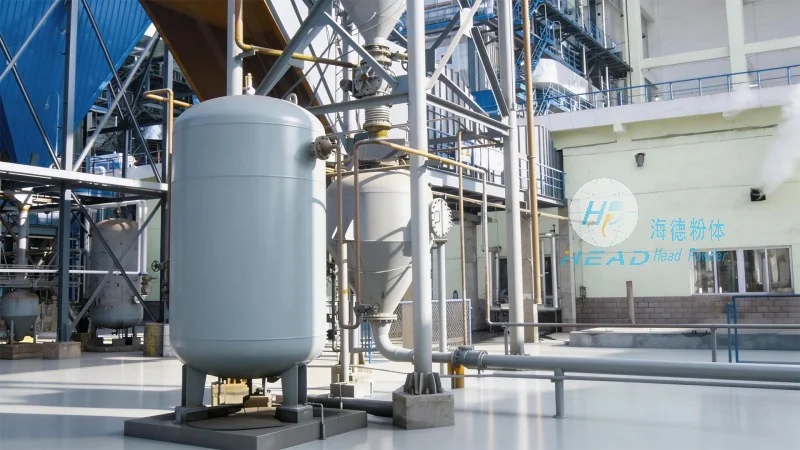
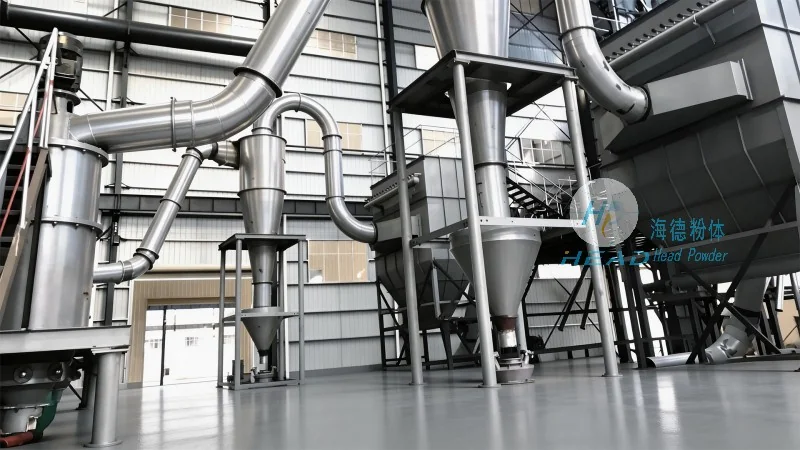
Principles of Sodium Nitrate Powder Conveying
Sodium nitrate, a white crystalline powder commonly used in agriculture, food preservation, and industrial applications, requires specialized conveying methods due to its fine particle size and potential for static charge accumulation. The core principles of powder conveying involve controlling the flow of particles through a system of pipes, valves, and feeding mechanisms. Key factors include maintaining consistent material flow rates, preventing blockages, and ensuring minimal degradation of the powder's physical properties. Various technologies, such as pneumatic conveying (using air or other gases to transport particles) and mechanical conveying (utilizing screws, belts, or buckets), are employed based on the specific requirements of the application. The selection of a conveying method depends on factors like the material's density, moisture content, and the distance and elevation changes involved in the transport process.
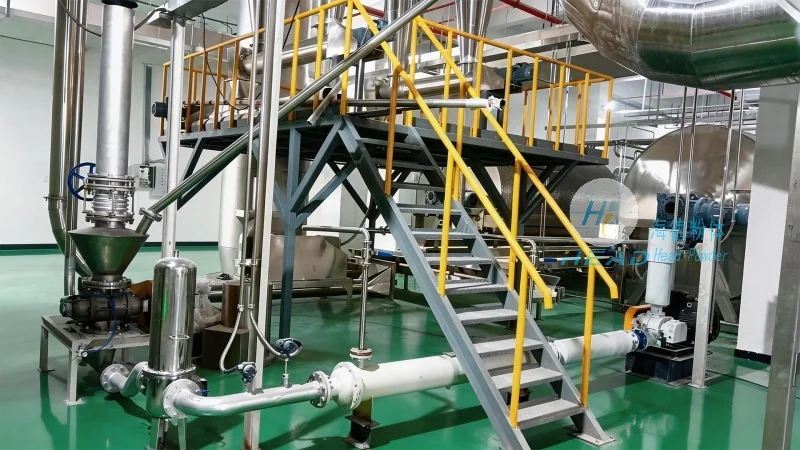
Working Scene Characteristics of Sodium Nitrate Powder Conveying
The operational environments where sodium nitrate powder conveying systems are deployed exhibit distinct characteristics that influence system design and performance. These scenes typically involve large-scale industrial facilities, such as fertilizer production plants, chemical processing plants, or bulk material handling terminals. In such settings, the systems must handle high volumes of material, often in continuous or semi-continuous operations. The working conditions may include varying ambient temperatures, humidity levels, and exposure to dust or other airborne particles, which can affect the efficiency and reliability of the conveying equipment. Additionally, safety considerations are paramount due to the potential hazards associated with sodium nitrate, including its reactivity with certain substances and the need to prevent dust explosions. The working scenes also demand robust equipment capable of withstanding the mechanical stresses of continuous operation and the potential for material abrasion over time.
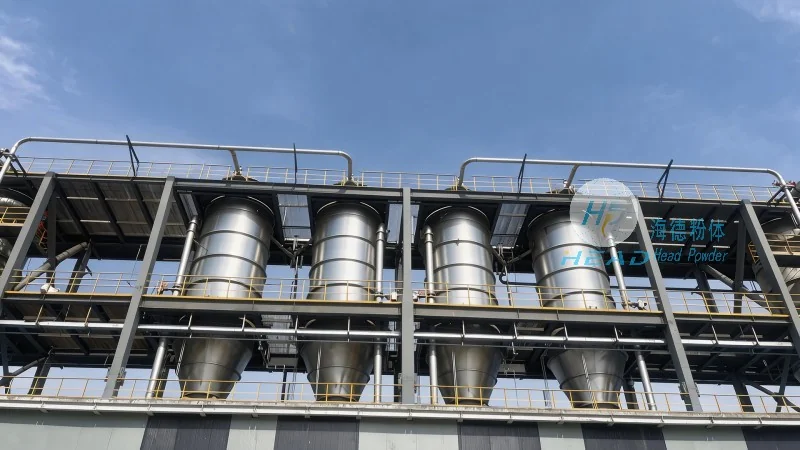
Company Profile: Shandong HeadPowder Engineering Co., Ltd.
HeadPowder, a leading engineering company based in Shandong, China, specializes in the design, manufacturing, and integration of advanced powder conveying systems. With years of experience in the field, the company has developed expertise in addressing the unique challenges of handling sodium nitrate and other fine powders. The company's team of engineers and technicians works closely with clients to understand their specific operational needs, ensuring that the conveying solutions are tailored to meet performance, safety, and efficiency requirements. HeadPowder's commitment to quality and innovation has enabled it to serve a wide range of industries, from agricultural to chemical processing, providing reliable and cost-effective powder handling solutions. The company's facilities and technical capabilities are aligned with international standards, ensuring that its products and services meet the highest industry benchmarks.