

Principle and Working Scene Characteristics of Molybdenum Concentrate Powder Pneumatic Conveying Sys
HeadPowder, a leading engineering company based in Shandong, China, specializes in the design, manufacturing, and installation of advanced pneumatic conveying systems tailored for molybdenum concentrate powder handling. This article explores the fundamental principles behind these systems, as well as the key characteristics of their operational environments.
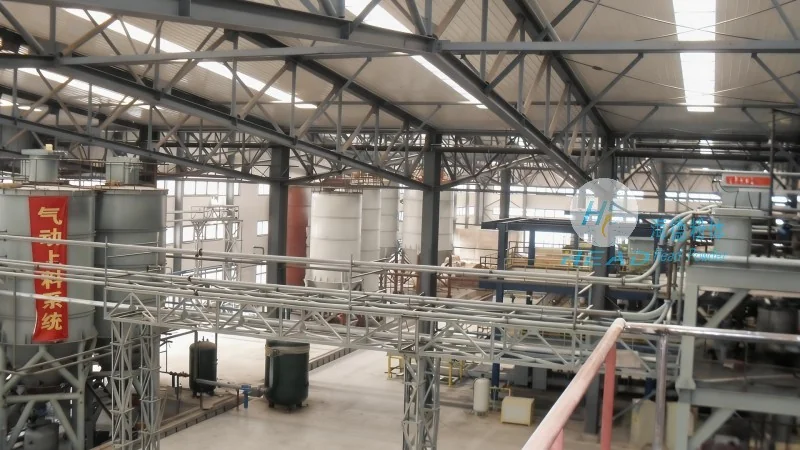
Overview of Molybdenum Concentrate Powder Pneumatic Conveying Systems
Molybdenum concentrate powder, a critical raw material in the production of molybdenum-based alloys and chemicals, requires efficient and reliable transportation methods to ensure consistent quality and process efficiency. Pneumatic conveying systems offer a solution by utilizing air or other gases to transport powders through a pipeline network. These systems are particularly advantageous for molybdenum concentrate due to its fine particle size and potential for dust generation during handling.
The Core Principles of Pneumatic Conveying Technology
The operation of a molybdenum concentrate powder pneumatic conveying system is based on the fundamental principle of transporting particulate materials using a gas stream. The system typically consists of a feeding device, a conveying line, a separation unit, and a discharge mechanism. The feeding device, such as a rotary valve or a pressure feeder, introduces the molybdenum concentrate powder into the system under controlled conditions. The conveying line, often made of stainless steel or other corrosion-resistant materials, transports the powder and air mixture. The separation unit, including a cyclone or a filter, separates the powder from the air, allowing the powder to be collected and the air to be recirculated or discharged. The discharge mechanism ensures the powder is delivered to the intended destination, such as a storage silo or a processing unit.
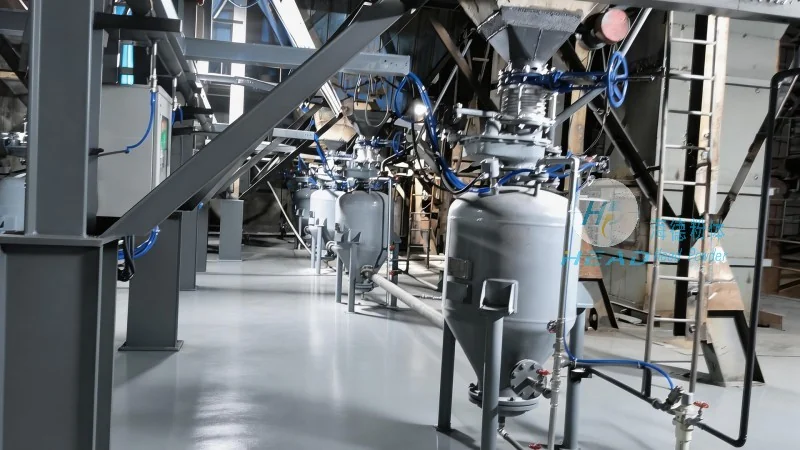
Key Working Scene Characteristics
The working scene characteristics of molybdenum concentrate powder pneumatic conveying systems are influenced by several factors, including the material properties, operational environment, and system design. The fine particle size of molybdenum concentrate (typically ranging from 1 to 100 microns) makes it susceptible to agglomeration and caking, which can affect system performance. Therefore, the system must be designed to maintain the powder in a fluidized or suspended state to prevent blockages. The operational environment, such as temperature and humidity, also plays a role in the system's performance, as moisture can cause the powder to clump and reduce conveying efficiency. Additionally, the system must be equipped with proper dust collection and filtration systems to comply with environmental regulations and ensure workplace safety.
Application Scenarios and Industry Integration
Molybdenum concentrate powder pneumatic conveying systems are widely used in various industrial applications, including mining, metallurgy, and chemical processing. In mining operations, these systems are used to transport molybdenum concentrate from ore processing plants to storage facilities or to other processing units. In metallurgical plants, the systems facilitate the transfer of molybdenum concentrate to smelting furnaces or to refining processes. The systems are also utilized in chemical plants for the transport of molybdenum-based chemicals, such as molybdenum disulfide or molybdenum oxide. The versatility of pneumatic conveying systems allows them to adapt to different production scales and operational requirements, making them a preferred choice for molybdenum concentrate handling in modern industrial settings.
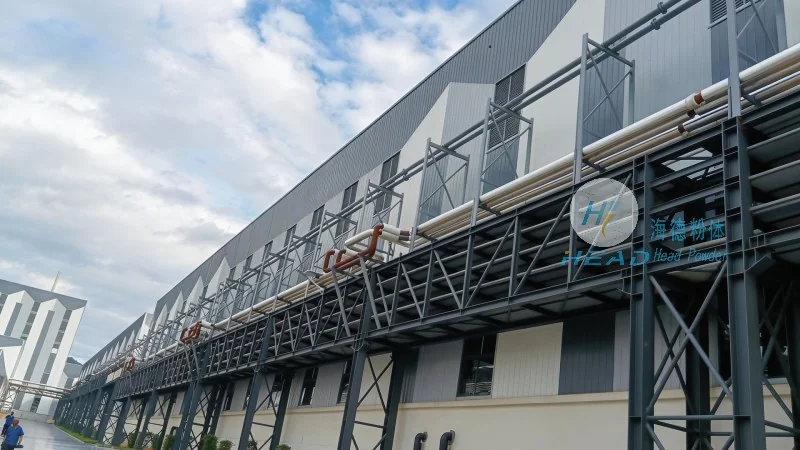
Advantages and Considerations for Molybdenum Concentrate Handling
Implementing a molybdenum concentrate powder pneumatic conveying system offers several advantages, including reduced material handling costs, improved process efficiency, and enhanced safety. Unlike traditional mechanical conveying methods, pneumatic systems eliminate the need for moving parts in the conveying line, reducing maintenance requirements and downtime. The systems also provide better control over the powder flow, allowing for precise dosing and consistent product quality. However, there are considerations to keep in mind when designing and operating such systems. The high velocity of the air stream can cause wear and tear on the conveying line and components, requiring the use of durable materials and regular maintenance. Additionally, the system's energy consumption must be managed to ensure cost-effectiveness and environmental sustainability.
Conclusion and Company Expertise
HeadPowder Engineering Co., Ltd., with its headquarters in Shandong, China, has extensive experience in designing and implementing molybdenum concentrate powder pneumatic conveying systems. The company's expertise lies in understanding the unique challenges of handling fine powders like molybdenum concentrate and providing customized solutions that meet the specific needs of each client. By leveraging advanced engineering principles and high-quality materials, HeadPowder ensures that its pneumatic conveying systems deliver reliable performance, enhance operational efficiency, and contribute to the overall success of molybdenum processing facilities. For businesses seeking to optimize their molybdenum concentrate handling processes, HeadPowder offers a comprehensive range of services, from system design and installation to maintenance and support.