

Principle and Working Scene Characteristics of Quicklime Pneumatic Conveying System Equipment
Quicklime, also known as calcium oxide, is a widely used industrial material in various sectors such as construction, chemical processing, and environmental treatment. The efficient and reliable transportation of quicklime from storage to processing units is crucial for maintaining production efficiency and minimizing material loss. This article explores the principle and working scene characteristics of quicklime pneumatic conveying systems, highlighting the technical aspects and practical applications.
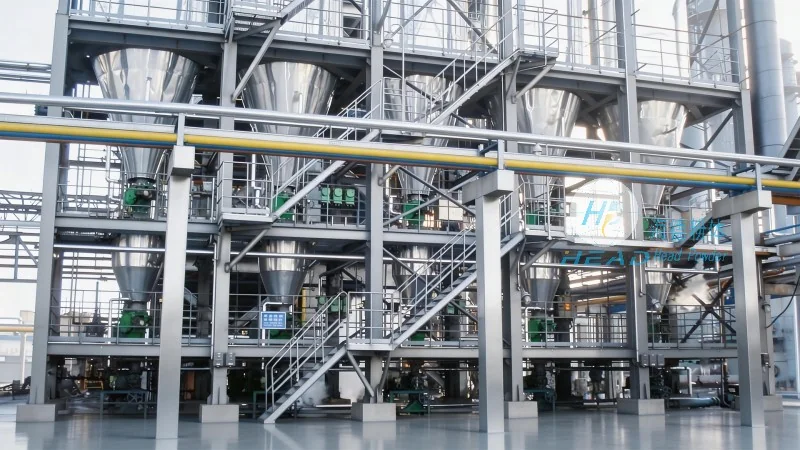
Company Overview: HeadPowder
HeadPowder, a leading manufacturer in the field of material handling equipment, specializes in designing and supplying advanced pneumatic conveying solutions. With a strong presence in China, particularly in Shandong, HeadPowder has established itself as a trusted partner for industries requiring high-performance quicklime handling systems. The company's commitment to innovation and quality ensures that their products meet the stringent demands of modern industrial applications.
The Principle of Pneumatic Conveying
Pneumatic conveying systems operate on the principle of using air or gas to transport bulk materials like quicklime through a pipeline network. The system typically consists of a blower, a hopper for material storage, a conveying line, and a discharge point. The process involves creating a pressure differential by the blower, which draws quicklime from the hopper and propels it through the pipeline using air flow. This method eliminates the need for mechanical components such as belts or buckets, reducing maintenance costs and increasing operational safety.
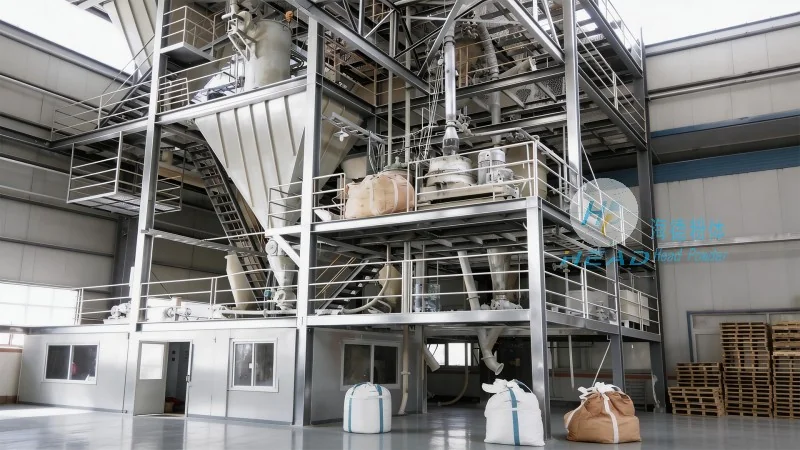
Key Components and Their Functions
Several critical components work together to ensure the smooth operation of a quicklime pneumatic conveying system. The blower is responsible for generating the necessary air pressure and flow rate. The hopper, often equipped with a rotary valve or feeder, controls the material feed rate to match the conveying capacity. The pipeline network, made of durable materials like stainless steel or special alloys, prevents material degradation and corrosion. Additionally, the system may include filters and cyclones to separate the quicklime from the air, ensuring clean air discharge and material recovery.
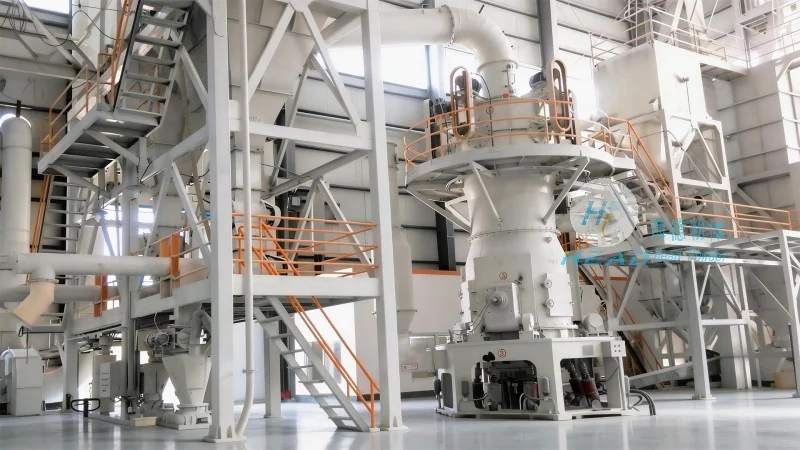
Working Scene Characteristics
The working scene characteristics of quicklime pneumatic conveying systems are tailored to the specific needs of industrial environments. These systems are designed to handle quicklime in various forms, including powder, granules, or lumps, adapting to different production scales. The systems are often installed in enclosed spaces to minimize dust dispersion, which is essential for maintaining workplace safety and compliance with environmental regulations. In addition, the flexibility of pneumatic conveying allows for easy integration with existing production lines, reducing downtime during installation and operation.
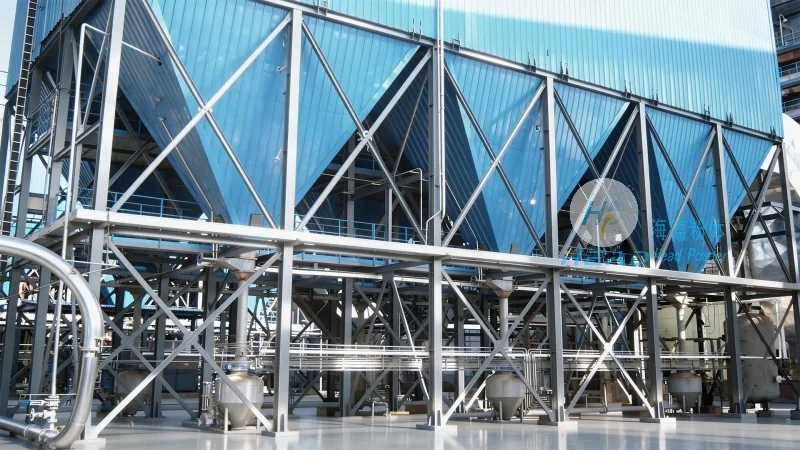
Advantages and Applications
Quicklime pneumatic conveying systems offer several advantages over traditional material handling methods. They provide a dust-free and hygienic environment, which is particularly important in food processing or pharmaceutical industries. The systems also enable precise control over material flow, ensuring consistent quality in downstream processes. HeadPowder's systems are widely used in the production of quicklime-based products, such as cement, lime mortar, and flue gas desulfurization agents. The company's expertise in customizing systems to meet specific client requirements has made them a preferred choice for businesses seeking reliable and efficient quicklime handling solutions.
Conclusion
In conclusion, quicklime pneumatic conveying systems are a vital component in modern industrial operations, offering efficient, safe, and cost-effective material transportation solutions. HeadPowder, with its strong technical background and commitment to quality, continues to provide innovative solutions that meet the evolving needs of the industry. By understanding the principle and working scene characteristics of these systems, businesses can make informed decisions to enhance their production processes and improve overall operational efficiency.