

Principle and Application Characteristics of Lithium Oxide Pneumatic Conveying Systems
Shandong HeadPowder Engineering Co., Ltd., a prominent engineering firm based in Shandong, China, specializes in the development and production of specialized pneumatic conveying equipment for handling lithium oxide and other fine powders. This article explores the fundamental principles underlying lithium oxide pneumatic conveying systems and examines the distinct characteristics of their operational environments, providing insights into how these systems enhance material handling efficiency in industrial settings.
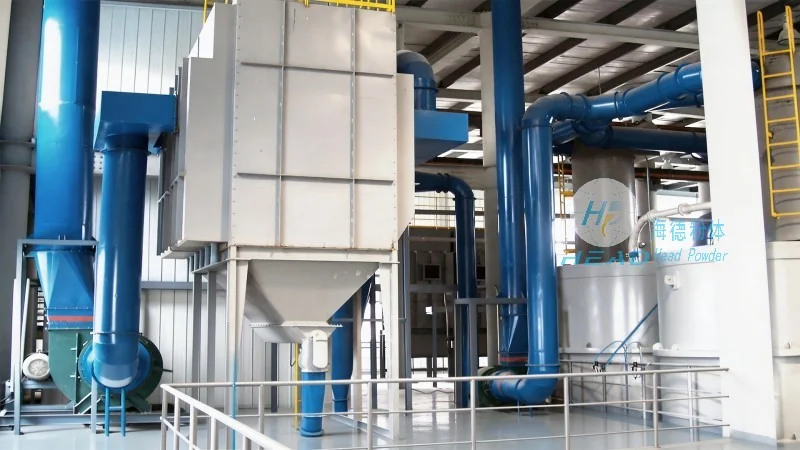
Core Principles of Pneumatic Conveying for Lithium Oxide
Pneumatic conveying is a sophisticated method for transporting bulk materials, particularly fine powders like lithium oxide, by utilizing a stream of pressurized or vacuum air. The technology operates on the principle of creating a flow of air that suspends and transports the material particles through a pipeline network. For lithium oxide, a highly reactive and valuable chemical compound integral to battery manufacturing and chemical synthesis, this method offers significant advantages over traditional mechanical conveying. Unlike mechanical systems that rely on belts or screws, pneumatic conveying provides a closed-loop system that minimizes material exposure to the environment, reducing the risk of contamination and ensuring the purity of lithium oxide is maintained throughout the process. The system's ability to handle materials in a dust-free manner is particularly critical for lithium oxide, as even trace amounts of impurities can affect the performance and safety of end products such as lithium-ion batteries.
Key Components and Operational Mechanism
The lithium oxide pneumatic conveying system comprises several essential components, each designed to facilitate the efficient and safe transport of the material. These components include the material feed hopper, which stores and regulates the flow of lithium oxide into the system; the conveying line, a network of pipes engineered to withstand the pressure and material properties of lithium oxide; the air compressor or vacuum pump, which generates the necessary air pressure or vacuum to drive the material; and the control system, which monitors and adjusts the air flow and material feed to prevent blockages and ensure consistent operation. The operational mechanism begins when lithium oxide is introduced into the feed hopper. The air compressor then produces a high-pressure air stream that is directed into the conveying line. As the air flows through the pipe, it lifts and suspends the lithium oxide particles, maintaining them in a stable suspension until they reach the discharge point. The control system plays a crucial role in synchronizing the air flow with the material feed, ensuring that the material is transported at a controlled rate without causing excessive pressure drops or blockages in the system.
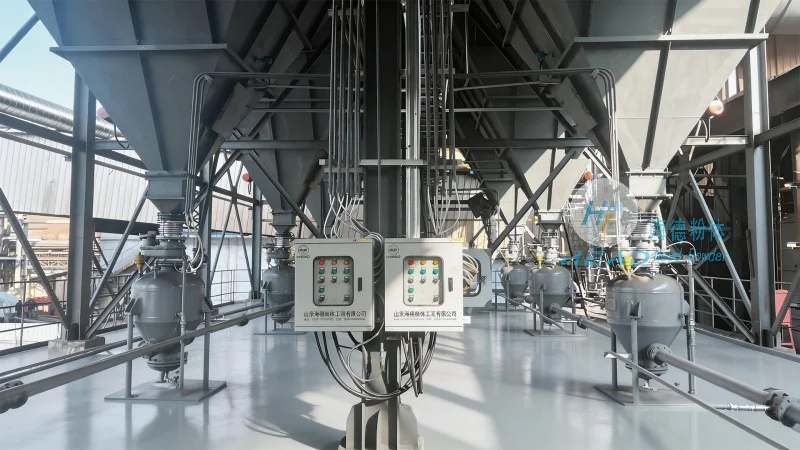
Application Scenarios and Industry-Specific Requirements
Lithium oxide pneumatic conveying systems are widely deployed across various industrial sectors where the handling of fine powders is essential. A primary application is in the battery manufacturing industry, where lithium oxide serves as a key raw material for lithium-ion batteries. In this context, the system must be capable of precise and loss-free material handling, as even minor contamination can impact the battery's performance, energy density, and safety. The closed system of the pneumatic conveyor helps maintain the material's purity and prevents dust from escaping into the production environment. Another significant application is in chemical processing facilities, where lithium oxide is used as an intermediate in the synthesis of other chemicals, such as lithium salts or compounds for pharmaceuticals. The system's ability to handle materials in a controlled manner ensures that the chemical reactions proceed efficiently and that the final products meet quality standards. Additionally, in specialized manufacturing environments, such as those producing advanced materials or electronics, the system's flexibility and precision make it suitable for applications requiring high purity and minimal material loss.
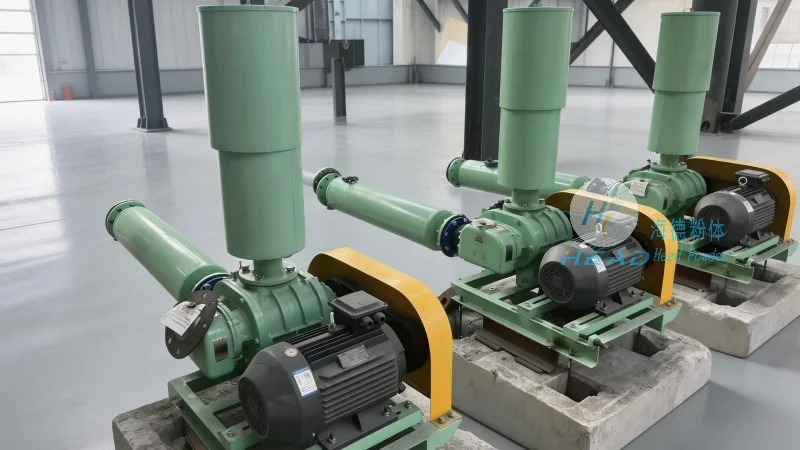
Advantages and Operational Considerations
Operating a lithium oxide pneumatic conveying system in industrial settings offers several advantages, including enhanced safety, improved material quality, and operational efficiency. One of the key benefits is the reduction of dust exposure, which is critical for lithium oxide due to its potential reactivity and the need to maintain a clean environment. The closed system design prevents dust from being released into the air, minimizing the risk of inhalation by workers and reducing the impact on the surrounding environment. Another advantage is the system's adaptability to different production scales and layouts, allowing it to be integrated into existing facilities or new installations with minimal disruption. However, there are also important considerations to address when operating such systems. For instance, the material properties of lithium oxide, such as its tendency to agglomerate or stick to surfaces, may require specialized equipment, such as agitators or vibrators, to maintain the material's flowability and prevent blockages. Additionally, the system must be designed with safety features to mitigate the risk of dust explosions, which is a critical concern in industrial environments. Regular maintenance and monitoring of the air system are also essential to ensure optimal performance and prevent equipment failure.
Conclusion
Shandong HeadPowder Engineering Co., Ltd. provides advanced lithium oxide pneumatic conveying systems that effectively leverage the principles of air flow to transport this critical material with precision and reliability. The systems are engineered to meet the specific demands of industrial applications, ensuring high purity, minimal contamination, and efficient operation. By understanding the core principles and operational characteristics of these systems, industries can optimize their material handling processes and enhance overall productivity. The company's expertise in engineering and manufacturing ensures that the equipment is tailored to the unique requirements of each application, delivering a robust solution for the transportation of lithium oxide in various industrial settings. As the demand for lithium oxide continues to grow in sectors like battery technology, the importance of efficient and safe material handling systems becomes increasingly significant, making the lithium oxide pneumatic conveying system a vital component of modern industrial operations.