

Working Principle and Features of Pneumatic Conveying Systems for Paper Sheet Materials
For industries dealing with paper sheet materials, efficient material handling is crucial for maintaining production efficiency and minimizing operational costs. Pneumatic conveying systems have emerged as a reliable solution, offering a non-contact method to transport paper sheets from one location to another. This article explores the working principle and key features of such systems, providing insights into their application and benefits.
Working Principle of Paper Sheet Material Pneumatic Conveying Systems
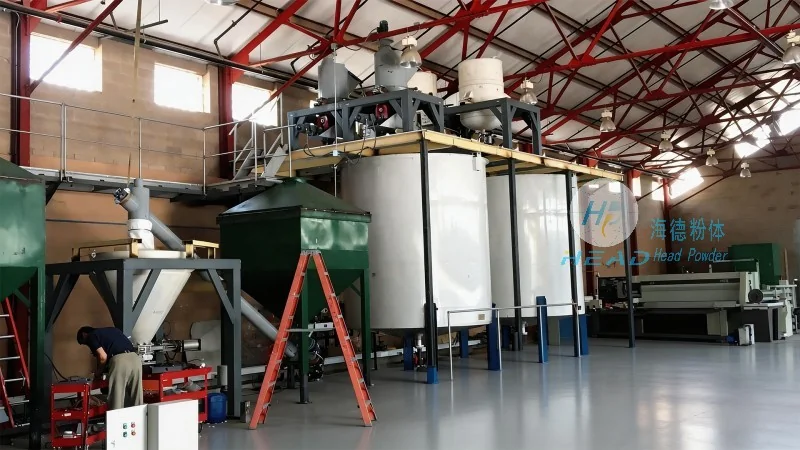
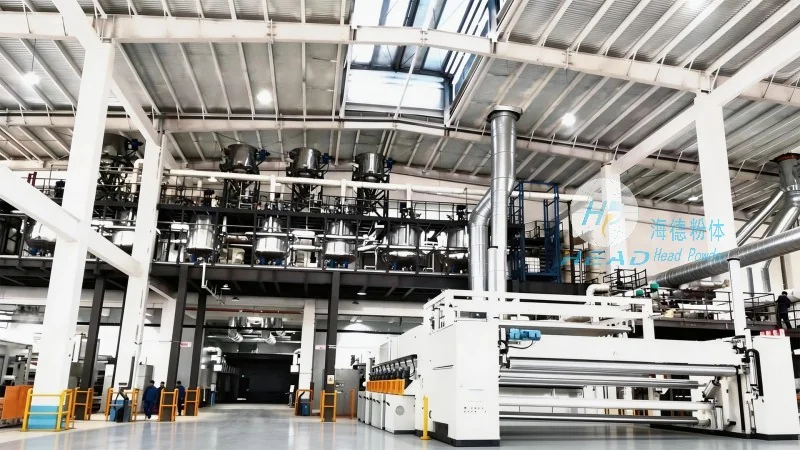
Pneumatic conveying systems for paper sheet materials operate on the principle of using air pressure to move materials through a pipeline. The process typically involves several key components and steps. First, the paper sheets are loaded into a hopper or feeder, where they are then introduced into the conveying line. A fan or blower generates the necessary airflow, creating a pressure differential that propels the material forward. The system may use either positive pressure (where air is forced into the line) or negative pressure (where air is drawn out), depending on the specific design and application requirements. As the paper sheets travel through the pipeline, they are guided by internal components such as bends, elbows, and straight sections, which are designed to minimize friction and ensure smooth transport. The entire process is controlled by a system of valves, sensors, and controls that regulate the airflow and material flow, ensuring consistent and reliable operation.
Key Features of Pneumatic Conveying Systems for Paper Sheet Materials
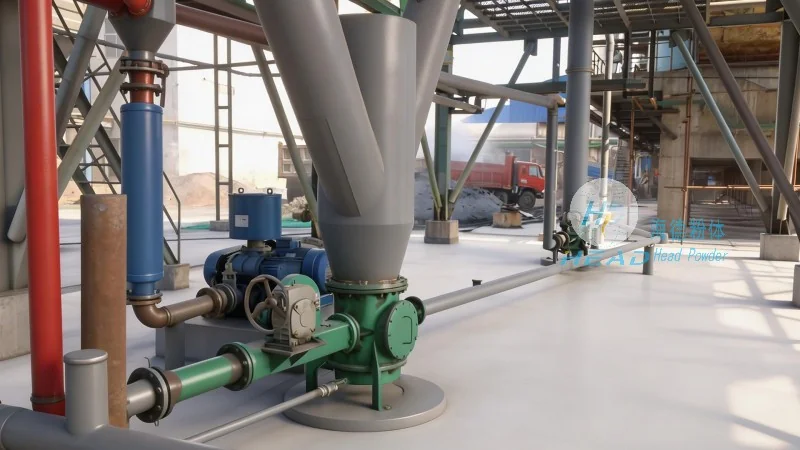
The features of pneumatic conveying systems for paper sheet materials are tailored to address the unique characteristics of this material. One of the primary advantages is the ability to handle delicate or lightweight paper sheets without causing damage or tearing. The non-contact nature of the system prevents mechanical wear and reduces the risk of contamination, which is essential for maintaining the quality of the paper product. Additionally, these systems offer high flexibility in terms of layout and integration with existing production lines, allowing for easy adaptation to different facility configurations. Another notable feature is the ability to transport materials over long distances with minimal energy consumption compared to traditional methods like belt conveyors or forklifts. The systems also provide excellent dust control, as the enclosed pipeline prevents the release of airborne particles, contributing to a cleaner and safer working environment. Furthermore, modern pneumatic conveying systems incorporate advanced control technologies, such as variable frequency drives (VFDs) and real-time monitoring, which enhance operational efficiency and allow for precise control over the conveying process.
Company Information: Shandong HeadPowder Engineering Co., Ltd.
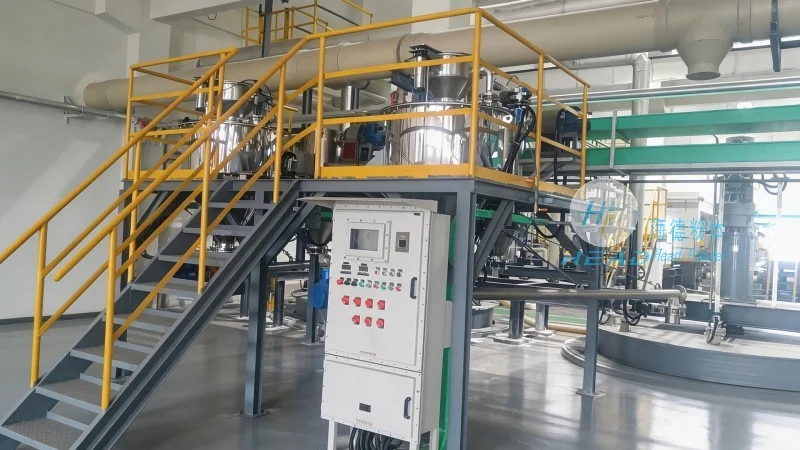
Shandong HeadPowder Engineering Co., Ltd., a leading provider in the field, specializes in the design, manufacturing, and installation of pneumatic conveying systems tailored to the needs of paper processing industries. With a focus on innovation and quality, the company has established itself as a trusted partner for businesses seeking reliable material handling solutions. HeadPowder's systems are engineered to meet the specific demands of paper sheet material transport, ensuring optimal performance and durability. The company's commitment to customer satisfaction and technical excellence has made it a preferred choice for companies operating in the paper industry. Located in Shandong, China, HeadPowder leverages its local expertise and resources to deliver high-quality products and services to clients worldwide.