Dolomite powder, a critical industrial material utilized across sectors like construction, metallurgy, and chemical processing, requires efficient and reliable handling solutions. The pneumatic conveying system, specifically engineered for dolomite powder, offers an advanced method to transport this material from one location to another. This article explores the working principle and key features of dolomite powder pneumatic conveying systems, highlighting technological advancements and operational benefits they provide.
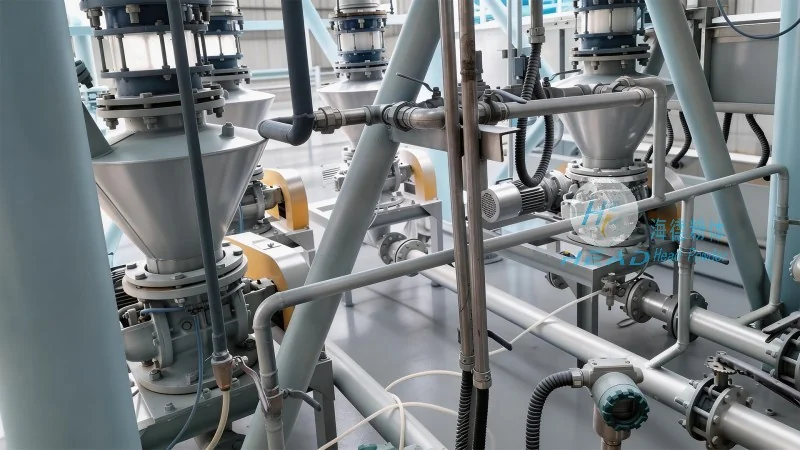
Introduction to Dolomite Powder Pneumatic Conveying Systems
Dolomite, a calcium-magnesium carbonate mineral, is often processed into fine powder for industrial applications. Traditional material handling methods, such as belt conveyors or bucket elevators, may encounter challenges with dust generation, material degradation, and operational inefficiencies, particularly when dealing with fine powders. Pneumatic conveying systems, in contrast, deliver a closed-loop, dust-free, and energy-efficient solution for transporting dolomite powder. The system leverages compressed air to move the powder through a pipeline network, ensuring minimal environmental impact and optimal material integrity.
Company Overview: Shandong HeadPowder Engineering Co., Ltd.
HeadPowder, a leading manufacturer in powder handling equipment, specializes in designing and manufacturing high-quality pneumatic conveying systems tailored to diverse industrial needs. With a strong commitment to innovation and customer satisfaction, HeadPowder has established itself as a trusted partner for businesses seeking reliable and efficient material handling solutions. The company’s headquarters is located in Shandong, China, where it leverages advanced manufacturing capabilities and technical expertise to deliver superior products. HeadPowder’s dedication to quality and performance has made it a preferred choice for clients worldwide.
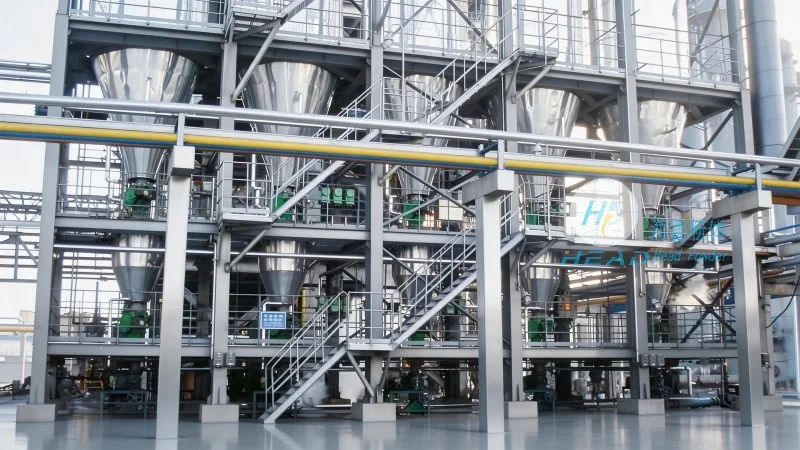
The Working Principle of Dolomite Powder Pneumatic Conveying Systems
The core mechanism of a dolomite powder pneumatic conveying system involves the use of compressed air to create a flow of material through a pipeline. The process typically begins with the dolomite powder being fed into a hopper or a feeder, where it is then introduced into the conveying line. Compressed air, generated by a blower or a compressor, is introduced into the pipeline, creating a pressure differential that propels the powder forward. The system may employ different conveying modes—such as pressure or vacuum—depending on the specific requirements of the application. In pressure systems, air is introduced at the discharge end, pushing the powder through the pipeline. In vacuum systems, air is drawn from the inlet, creating a suction effect that pulls the powder. The choice of conveying mode depends on factors like distance, elevation change, and material characteristics. The system includes key components such as the hopper, feeder, blower, pipeline, and discharge unit, each playing a critical role in overall operation. The hopper stores the dolomite powder and ensures consistent feed rate. The feeder controls powder flow into the conveying line, preventing blockages and maintaining system efficiency. The blower or compressor provides necessary air pressure or vacuum. The pipeline transports the powder and air mixture, while the discharge unit collects material at destination. The system is designed to handle dolomite powder’s specific properties—such as fineness, density, and flowability—ensuring smooth, continuous operation.
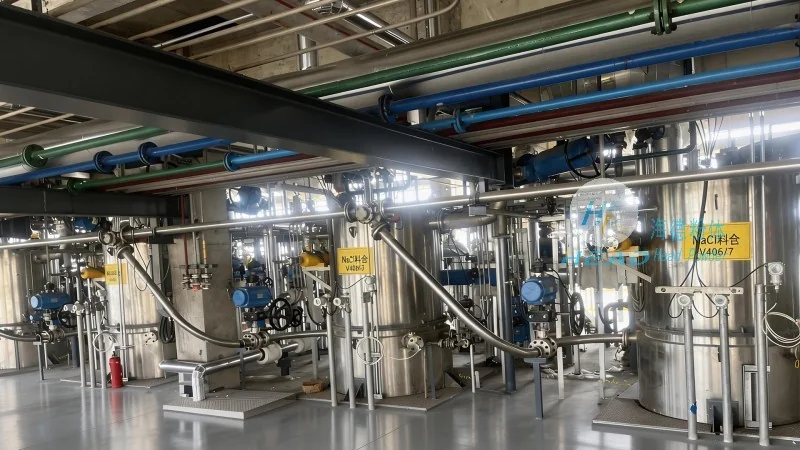
Key Features and Advantages of Dolomite Powder Pneumatic Conveying Systems
Dolomite powder pneumatic conveying systems offer distinct features and advantages over traditional material handling methods. A primary benefit is the ability to handle fine powders without generating dust, a significant concern in many industrial applications. The closed-loop system ensures powder remains contained within the pipeline, reducing environmental pollution and improving workplace safety. Another key advantage is energy efficiency, as the system minimizes energy consumption compared to belt conveyors. The system also provides layout flexibility, with pipelines arranged in various configurations to suit plant layouts, allowing easy integration into existing facilities without major modifications. The system’s ability to handle high material volumes at a consistent rate makes it ideal for continuous production processes. Additionally, it reduces material degradation and loss, as the powder is not exposed to external elements or mechanical stress during transport. Features like handling abrasive materials and low maintenance requirements further enhance appeal. The system is designed for easy cleaning and maintenance, ensuring long-term operational reliability. The combination of these features makes dolomite powder pneumatic conveying systems a preferred choice for industries requiring efficient and reliable material handling solutions.
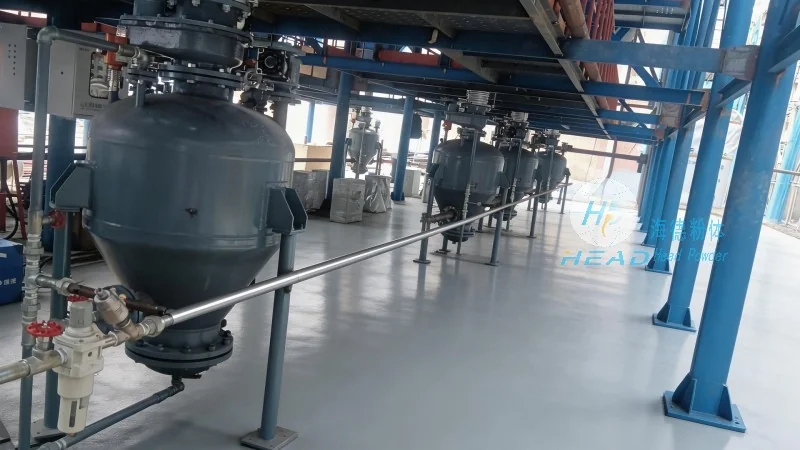
Application Examples and Operational Benefits
Dolomite powder pneumatic conveying systems are widely used in industrial applications including cement production, refractory material manufacturing, and chemical processing. In the cement industry, dolomite is used as a raw material to adjust cement’s chemical composition. The system efficiently transports the powder from storage to the cement production line, maintaining product quality and consistency. In metallurgy, dolomite serves as a flux in smelting processes. The system ensures a steady supply of powder to smelting furnaces, improving process efficiency. In the chemical industry, dolomite is used in producing calcium carbonate and magnesium compounds. The system reliably transports the powder to chemical reactors, preserving product purity. Operational benefits include reduced downtime, lower maintenance costs, and enhanced safety. The system’s high-volume, consistent-rate handling prevents production interruptions, boosting productivity. Reduced dust generation and contained environments minimize health hazards like respiratory issues. Layout flexibility allows adaptation to changing production needs, providing long-term value.
Conclusion and Future Developments
In conclusion, dolomite powder pneumatic conveying systems are advanced, efficient solutions for handling dolomite powder across various industrial applications. The working principle—utilizing compressed air to transport powder through pipelines—offers advantages like dust-free operation, energy efficiency, and flexibility over traditional methods. HeadPowder, with expertise in powder handling equipment, provides high-quality systems meeting diverse industry needs. The company’s commitment to innovation and quality ensures reliable, durable products delivering long-term benefits to clients. As industrial demands evolve, advancements in pneumatic conveying technology continue, focusing on improved material handling efficiency and environmental sustainability. The future of dolomite powder handling will likely see further technological innovations, leading to even more efficient and sustainable solutions. Continued focus on innovation and customer satisfaction will keep HeadPowder at the forefront, providing cutting-edge solutions for material handling needs across sectors.




