

What is a Carbon Powder Material Pneumatic Conveying Equipment? And What Are Its Design Principles?
For industries dealing with carbon powder materials, selecting the right equipment for material handling is crucial. A carbon powder material pneumatic conveying system is a specialized solution designed to transport fine powders like carbon powder efficiently and reliably. This article explores the concept of such equipment and delves into its core design principles, offering insights into how these systems operate and why they are essential in various industrial applications.
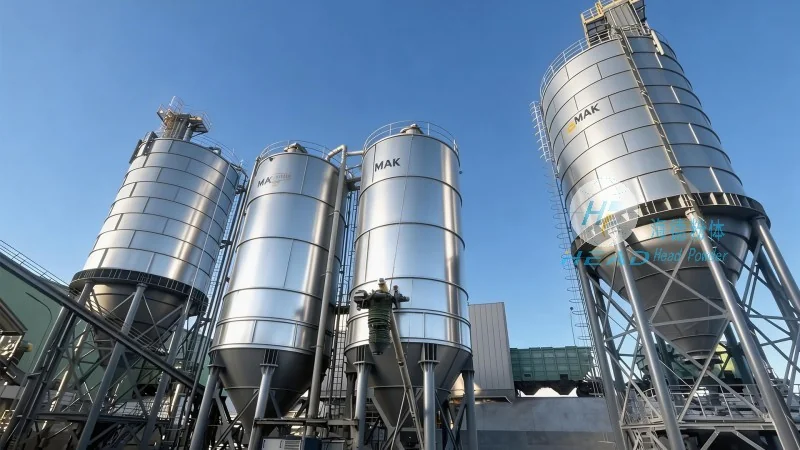
Understanding Carbon Powder Material Pneumatic Conveying Equipment
A carbon powder material pneumatic conveying equipment is a system that uses air or gas to transport carbon powder from one location to another. Unlike traditional mechanical conveyors, which rely on physical components like belts or screws, pneumatic systems utilize the force of moving air to move the material. This method is particularly advantageous for handling fine, dusty, or abrasive carbon powders, as it minimizes product degradation and reduces the risk of contamination. The equipment typically consists of a hopper for material storage, a blower or compressor to generate airflow, a pipeline system for material transport, and a receiver or discharge point for the material. The entire system is designed to ensure efficient, low-maintenance operation while maintaining product integrity.
The Core Design Principles of Pneumatic Conveying Systems
The design of a carbon powder material pneumatic conveying system is guided by several key principles that ensure optimal performance and reliability. First, the system must be capable of generating sufficient airflow to move the carbon powder through the pipeline. This involves selecting an appropriate blower or compressor with the right pressure and flow rate to match the material's properties and the system's layout. Second, the pipeline design is critical; it must be sized and configured to minimize pressure drop and prevent material buildup or blockages. The use of appropriate fittings, bends, and filters is essential to maintain consistent airflow and prevent dust accumulation. Third, the system must incorporate proper material handling components such as hoppers with feeding mechanisms, which ensure a steady and controlled flow of carbon powder into the system. Additionally, the design must consider the material's characteristics, including its density, particle size, and moisture content, as these factors influence the system's performance and the required air velocity. By adhering to these design principles, manufacturers can create pneumatic conveying systems that are efficient, durable, and tailored to the specific needs of carbon powder applications.
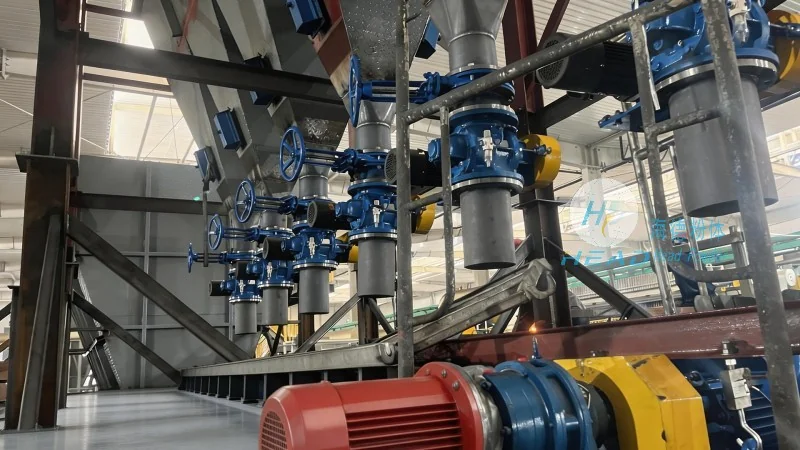
Key Components and Their Functions in the System
Each component of a carbon powder material pneumatic conveying equipment plays a vital role in the overall operation. The hopper serves as the storage and feeding unit, holding the carbon powder and providing a controlled discharge into the system. The hopper's design, including its shape and the type of feeder (such as a rotary valve or star feeder), is crucial for preventing material bridging and ensuring a consistent flow. The blower or compressor is the heart of the system, generating the necessary airflow to transport the carbon powder. These units are typically selected based on the required pressure and flow rate, with options ranging from positive displacement blowers to centrifugal compressors. The pipeline system connects all components and transports the material from the hopper to the receiver. The pipeline is usually made of materials like stainless steel or plastic, chosen for their resistance to corrosion and wear from the carbon powder. Filters and cyclones are often included in the system to separate the carbon powder from the air, allowing the air to be recirculated or discharged while capturing the material. The receiver or discharge point is where the carbon powder is collected after being transported through the pipeline. It may include a storage bin or a direct discharge to a processing unit. Each component must be carefully selected and integrated to ensure the system operates smoothly and meets the performance requirements of the application.
Advantages of Using Pneumatic Conveying for Carbon Powder Handling
Implementing a carbon powder material pneumatic conveying system offers several advantages over traditional conveying methods. One of the primary benefits is the ability to handle fine, abrasive, or dusty carbon powders without causing product degradation or contamination. The enclosed system prevents dust from escaping into the environment, reducing health hazards and maintaining compliance with environmental regulations. Additionally, pneumatic conveying systems are highly flexible, allowing for changes in material flow direction or location without major modifications. This flexibility is particularly valuable in industrial settings where production layouts may need to be adjusted. The systems also offer low maintenance requirements compared to mechanical conveyors, as they have fewer moving parts and are less prone to wear and tear. Furthermore, the enclosed design minimizes the risk of material loss or spillage, improving overall operational efficiency and product yield. By leveraging these advantages, industries can enhance their material handling processes, reduce costs, and improve overall productivity.
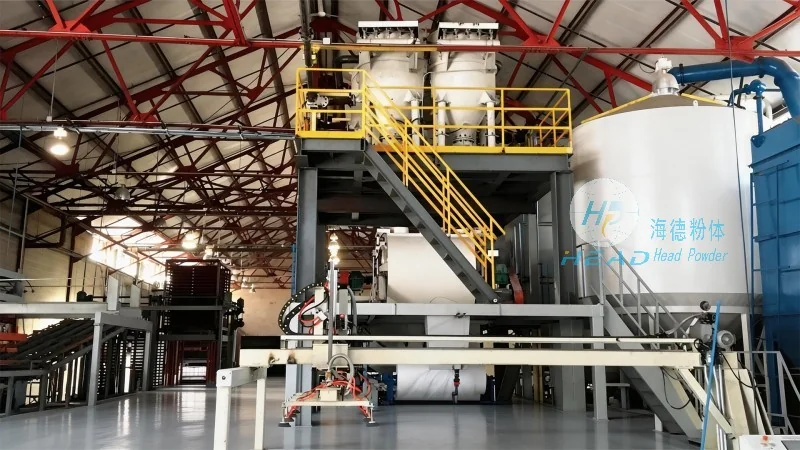
Applications and Industries Utilizing Carbon Powder Pneumatic Conveying
Carbon powder material pneumatic conveying equipment is widely used across various industries that rely on carbon powders in their production processes. In the battery manufacturing industry, for example, carbon powders are used as anode materials, and pneumatic conveying systems are essential for transporting these powders to production lines. The electronics industry also utilizes carbon powders in the production of components like capacitors and resistors, where precise handling is critical. The chemical industry employs carbon powders in the formulation of coatings, inks, and other products, and pneumatic conveying ensures consistent material delivery. Additionally, the pharmaceutical industry uses carbon powders in certain formulations, and the enclosed nature of pneumatic systems helps maintain the purity and quality of the material. These applications highlight the versatility and importance of carbon powder pneumatic conveying systems in modern industrial operations.
Conclusion: The Importance of Proper Design and Implementation
In conclusion, a carbon powder material pneumatic conveying equipment is a sophisticated system designed to efficiently and reliably transport fine carbon powders. The design principles, including proper airflow generation, pipeline configuration, and material handling components, are critical to the system's performance. By understanding these principles and selecting the appropriate components, industries can achieve optimal material handling, reduce operational costs, and maintain product quality. The advantages of pneumatic conveying, such as enclosed operation, flexibility, and low maintenance, make it a preferred choice for handling carbon powders in various applications. As industries continue to evolve, the importance of reliable material handling systems like these will only grow, ensuring that carbon powder materials are transported safely and efficiently to meet the demands of modern production.