

Pneumatic Conveying Equipment for Petrochemical Materials: What They Are and Their Design Principles
Pneumatic conveying equipment is a critical component in the petrochemical industry, designed to transport bulk materials efficiently and safely. These systems utilize air or other gases to move powders, granules, and other particulate materials over long distances, often in environments where traditional mechanical conveyors may not be suitable. The technology has evolved significantly over the years, with various designs tailored to specific material characteristics and operational requirements. HeadPowder, a leading manufacturer of such equipment, specializes in providing customized solutions for the petrochemical sector.
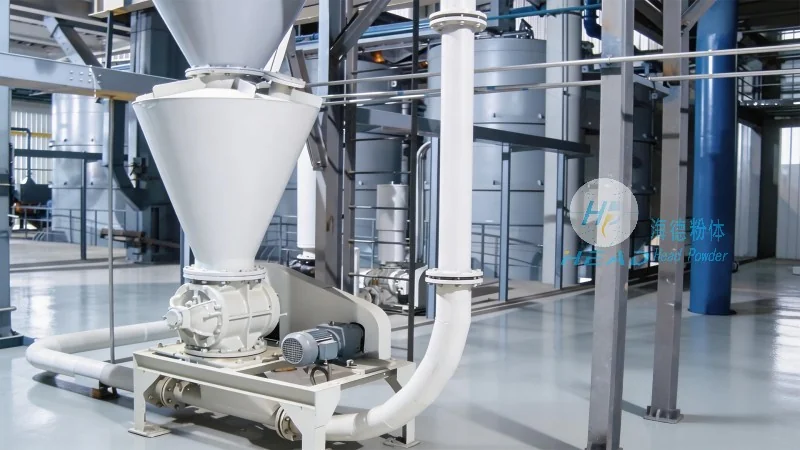
Pneumatic Conveying Equipment: An Overview
Pneumatic conveying systems are categorized into two main types: dilute-phase and dense-phase. Dilute-phase systems, also known as pneumatic transport, use low-pressure air to move materials in a suspended state, typically at velocities of 20-30 meters per second. This method is ideal for transporting materials over short to medium distances and is commonly used for fine powders and granules. Dense-phase systems, on the other hand, operate at higher pressures and lower velocities, often using a piston or plunger to push material through the pipeline. This approach is suitable for handling abrasive or sensitive materials that require gentle handling.
Design Principles of Pneumatic Conveying Equipment
The design of pneumatic conveying equipment is governed by several key principles to ensure optimal performance, efficiency, and safety. First, the system must be tailored to the physical properties of the material being conveyed, such as particle size, density, moisture content, and flowability. For example, materials with high moisture content may require additional drying or conditioning to prevent clogging or degradation. Second, the air velocity and pressure must be carefully controlled to maintain material suspension and prevent blockages. This involves calculating the necessary air flow rate and pressure drop across the system components, including the inlet, pipeline, and discharge point. Third, the system must be designed for durability and corrosion resistance, as many petrochemical materials are aggressive and can cause wear or chemical reactions with equipment surfaces. Materials like stainless steel, aluminum, or specialized coatings are often used to protect against corrosion and abrasion.
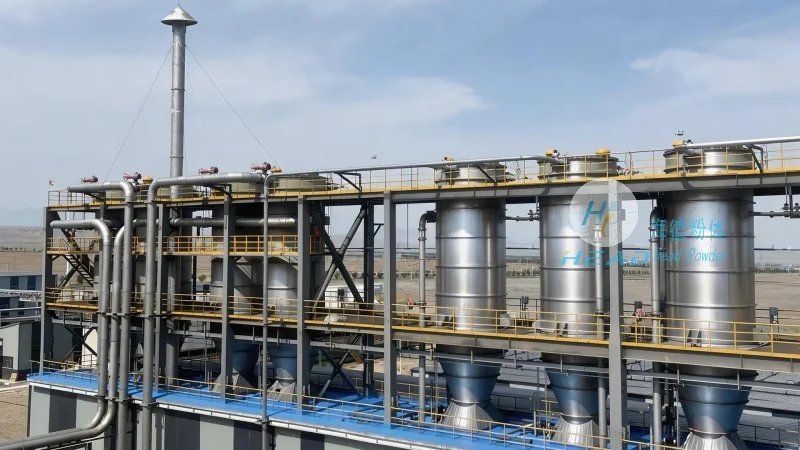
Components of Pneumatic Conveying Systems
A typical pneumatic conveying system consists of several key components, each playing a crucial role in the overall operation. The primary components include the material feed hopper, which holds the bulk material and provides a controlled discharge into the system. The feeder, often a rotary valve or screw feeder, regulates the material flow rate to match the system's air flow. The air compressor or blower generates the necessary air pressure to move the material through the pipeline. The pipeline itself is designed with appropriate diameter and material to withstand the pressure and material characteristics. The system may also include filters and cyclones to separate the material from the air at the discharge point, ensuring that the material is collected efficiently and the air is cleaned before release. Additionally, control systems and sensors are integrated to monitor and adjust the system parameters in real-time, enhancing performance and preventing operational issues.
Applications in the Petrochemical Industry
Pneumatic conveying equipment is widely used in various applications within the petrochemical sector. These include the transport of raw materials such as limestone, coal, or petrochemical intermediates from storage to processing units. It is also used in the handling of finished products, such as polymers, chemicals, and pharmaceuticals, where gentle handling and contamination control are critical. The technology is particularly valuable in facilities where space is limited or where the material needs to be conveyed over long distances without intermediate storage. For example, in chemical plants, pneumatic conveyors are used to move materials between reactors, storage tanks, and packaging lines, ensuring a continuous and efficient production process.
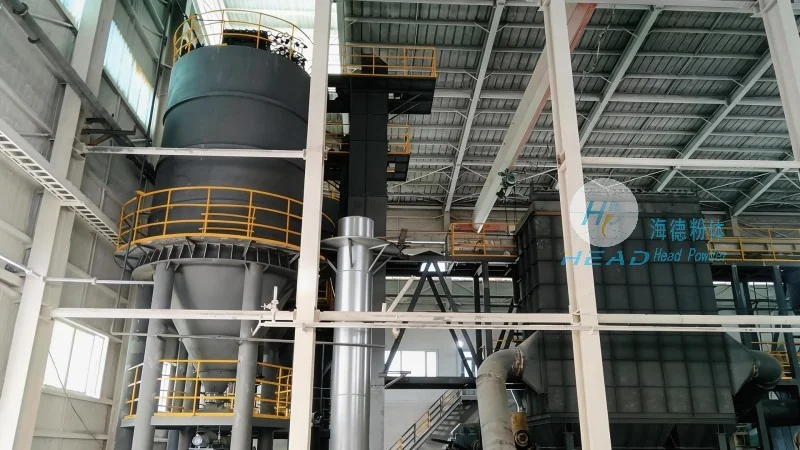
Advantages and Considerations
One of the primary advantages of pneumatic conveying systems is their ability to handle a wide range of materials, from fine powders to bulk granules, without the need for additional equipment like buckets or belts. This reduces the risk of material degradation and contamination, which is essential in the petrochemical industry where product purity is paramount. Additionally, pneumatic conveyors can operate in enclosed systems, minimizing dust emissions and improving workplace safety. However, there are also considerations to keep in mind. The systems require higher energy consumption compared to mechanical conveyors, as they rely on air pressure and velocity to move materials. Furthermore, the design must account for potential blockages and clogging, especially with cohesive or sticky materials, which may require additional equipment like vibrators or air knives to maintain flow. Proper maintenance and regular cleaning are also critical to ensure the system operates efficiently and has a long service life.
Conclusion
Pneumatic conveying equipment is a vital technology in the petrochemical industry, offering efficient and safe transportation of bulk materials. The design principles, which focus on material properties, air flow control, and equipment durability, ensure that these systems can handle the demanding requirements of the industry. As technology continues to advance, further improvements in efficiency, reliability, and material handling capabilities are expected, making pneumatic conveying an increasingly important part of petrochemical processing operations. For companies operating in this sector, understanding the design and application of these systems is essential to optimize production processes and maintain competitiveness. HeadPowder, with its expertise in the field, continues to provide innovative solutions that meet the evolving needs of the petrochemical industry.