

What is a Foundry Sand Material Pneumatic Conveying System? What Are Its Design Principles?
HeadPowder, a leading engineering company based in Shandong, China, specializes in the design and implementation of advanced pneumatic conveying systems tailored for foundry sand materials. This article explores the fundamental concepts behind these systems and the key design principles that ensure efficient and reliable material handling in foundry operations.
Understanding Pneumatic Conveying Systems for Foundry Sand
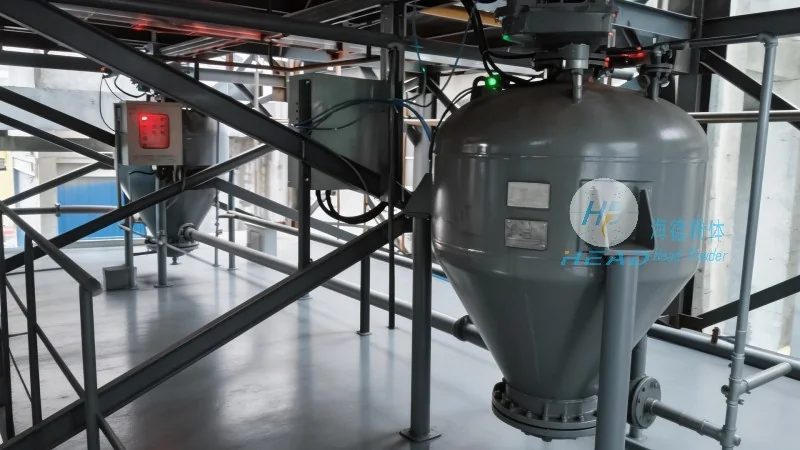
Pneumatic conveying systems are essential for transporting foundry sand, a critical material in the casting process. These systems utilize air or other gases to move bulk materials through a network of pipes, eliminating the need for mechanical components like belts or buckets. The primary goal is to achieve efficient, dust-free, and low-maintenance material transport, which is vital for maintaining high production standards in foundry environments.
Key Design Principles of Foundry Sand Pneumatic Conveying Systems
The design of a pneumatic conveying system for foundry sand involves several critical principles that ensure optimal performance. First, the selection of the appropriate conveying method—either positive pressure, negative pressure, or a combination—depends on factors such as material characteristics, distance, and system complexity. For foundry sand, which is typically abrasive and has a high density, positive pressure systems are often preferred due to their ability to handle high material loads and maintain consistent flow rates.
Second, the velocity of the air or gas in the conveying line is a critical parameter. The air velocity must be sufficient to overcome the gravitational force of the sand particles and prevent settling or blockages. Typically, air velocities range from 20 to 30 meters per second for foundry sand, ensuring that particles remain suspended and transported smoothly. The design also considers the particle size distribution and density of the sand, as these factors influence the required air volume and pressure.
Components and Design Considerations
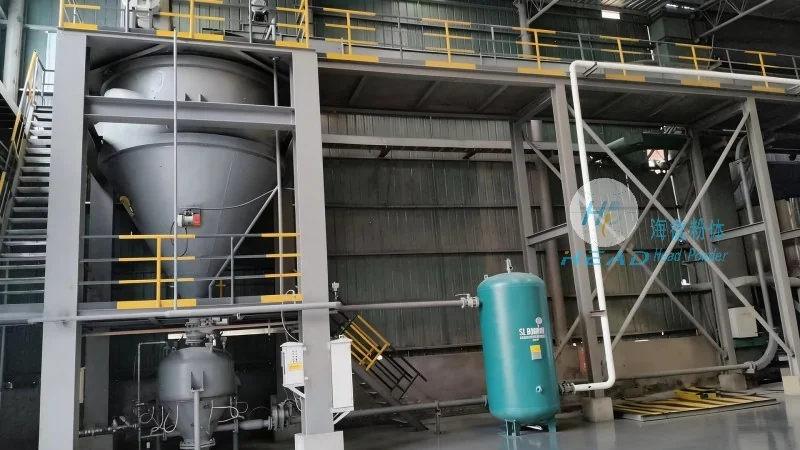
A pneumatic conveying system for foundry sand consists of several key components, each playing a crucial role in the overall operation. The main components include a material feed hopper, a conveying line (usually made of stainless steel or other corrosion-resistant materials due to the abrasive nature of foundry sand), a blower or air compressor, and a discharge hopper or collection system. The feed hopper is designed to provide a consistent flow of sand into the system, while the conveying line is engineered to minimize pressure drop and ensure efficient material transport.
Material selection for the conveying line is particularly important. Foundry sand is abrasive and can cause wear on metal surfaces over time. Therefore, stainless steel or high-grade alloy pipes are commonly used, often with internal coatings or linings to extend the system's lifespan. The blower or air compressor provides the necessary pressure and volume of air to move the sand through the system. The discharge hopper is designed to collect the sand at the destination point, ensuring a clean and controlled release.
Advantages of Pneumatic Conveying Systems for Foundry Sand
Implementing a pneumatic conveying system for foundry sand offers several advantages over traditional mechanical systems. First, it eliminates the need for moving parts, reducing maintenance costs and downtime. Mechanical systems often require regular lubrication, belt replacement, or bucket repair, which can be time-consuming and costly. Pneumatic systems, on the other hand, have fewer moving parts and are generally more reliable.
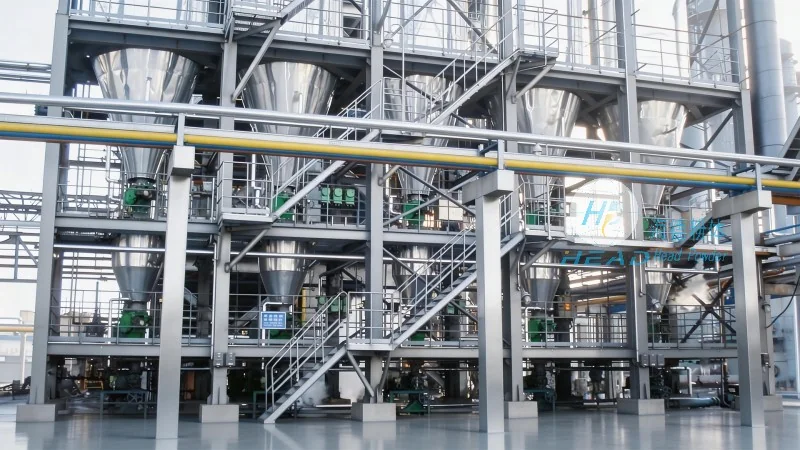
Second, pneumatic conveying systems provide a dust-free environment, which is essential for maintaining a safe and healthy workplace in foundries. Foundry sand can generate significant dust, which poses health risks to workers and can affect the quality of the final product. By using a sealed system with appropriate filtration, the dust is contained and removed, improving air quality and reducing the risk of respiratory issues.
Third, these systems offer flexibility in terms of layout and material transport. They can be easily integrated into existing foundry facilities and adapted to handle different material types or production volumes. The ability to transport sand over long distances without the need for intermediate storage or handling points also enhances operational efficiency.
Conclusion
HeadPowder Engineering Co., Ltd., based in Shandong, China, specializes in designing and manufacturing advanced pneumatic conveying systems for foundry sand materials. By adhering to key design principles such as appropriate air velocity, material handling, and component selection, these systems ensure efficient, reliable, and low-maintenance material transport. The advantages of pneumatic conveying, including reduced maintenance, dust control, and operational flexibility, make them an ideal solution for modern foundry operations. For foundries seeking to improve their material handling processes, a well-designed pneumatic conveying system is a critical investment in productivity and safety.