

What is a Wood Powder Material Pneumatic Conveying System? What are the Design Principles?
Wood powder material pneumatic conveying systems are specialized industrial equipment designed to transport fine wood powder particles through a pipeline using compressed air or other gas as the conveying medium. These systems are widely used in various industries, including woodworking, paper manufacturing, and biomass energy production, where the efficient and dust-free transfer of wood powder is crucial for operational efficiency and product quality. The core of such a system lies in its ability to handle the unique properties of wood powder, which often includes low bulk density, high moisture content, and potential for agglomeration, making traditional gravity or mechanical conveying methods less effective. Shandong HeadPowder Engineering Co., Ltd., a leading manufacturer based in China, specializes in the design and production of high-quality wood powder pneumatic conveying systems tailored to meet the specific needs of their clients.
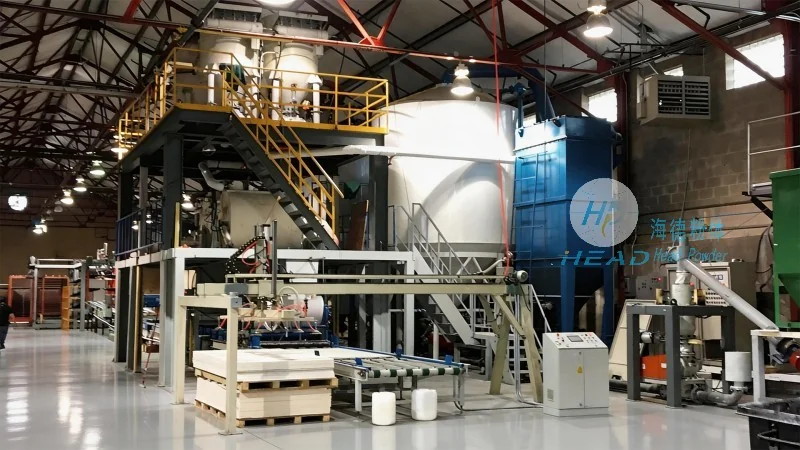
Introduction to Wood Powder Pneumatic Conveying Systems
A wood powder pneumatic conveying system typically consists of several key components, including a hopper for material storage, a feeder to control the flow of powder into the pipeline, a conveying line (often with multiple branches or loops), and a receiver to collect the material at the destination. The system operates by creating a pressure differential between the hopper and the receiver, using a blower or compressor to generate the necessary airflow. As the wood powder is introduced into the pipeline, it is entrained by the moving air and transported to the desired location. This process is known as pneumatic conveying, and it offers several advantages over traditional methods, such as reduced labor costs, improved safety by minimizing dust exposure, and the ability to transport materials over long distances without the need for intermediate storage.
Design Principles of Pneumatic Conveying Systems for Wood Powder
The design of a wood powder pneumatic conveying system must consider several critical factors to ensure optimal performance and reliability. The first principle is the selection of the appropriate conveying method, which can be categorized into two main types: pressure and vacuum systems. Pressure systems use a positive pressure blower to push the material through the pipeline, while vacuum systems use a vacuum pump to pull the material from the source. For wood powder, pressure systems are often preferred due to their ability to handle higher material loads and longer conveying distances. The second principle is the calculation of the required air velocity and pressure drop. This involves determining the appropriate air velocity to ensure that the wood powder particles are fully entrained and do not settle in the pipeline, as well as the pressure drop across the system components to ensure sufficient airflow. The third principle is the selection of suitable materials for the conveying line and components. Wood powder can be abrasive and may contain moisture, which can cause corrosion or degradation of metal parts. Therefore, materials such as stainless steel, polyethylene, or special coatings are often used to protect the system from wear and corrosion.
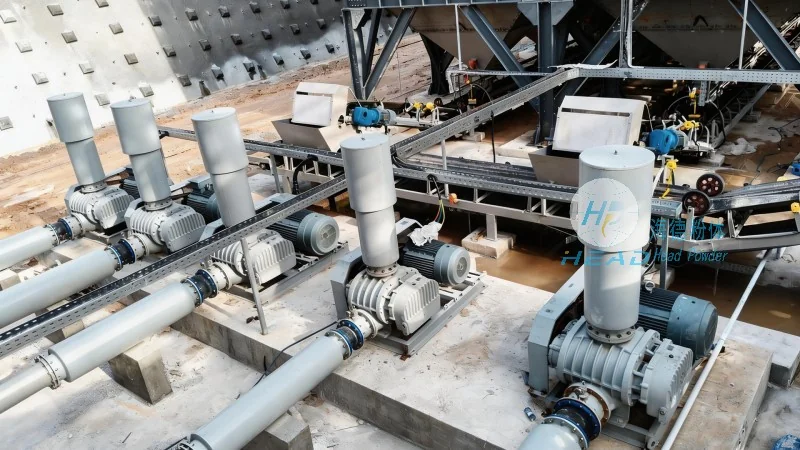
Key Components and Their Functions
Each component of a wood powder pneumatic conveying system plays a vital role in the overall operation. The hopper is responsible for storing the wood powder and providing a consistent feed to the system. It is typically designed with a sloped bottom to prevent material bridging and ensure smooth discharge. The feeder, often a rotary valve or a screw feeder, controls the flow rate of the wood powder into the pipeline, preventing overloading and ensuring a stable flow. The conveying line is the main pathway for the material and air, and it is usually made of flexible or rigid tubing, depending on the application. The line may include bends, elbows, and tees to direct the material to different destinations. The receiver is the final component, where the wood powder is collected and stored for further processing. It is designed to prevent dust leakage and ensure that the material is discharged smoothly.
Advantages and Applications of Wood Powder Pneumatic Conveying Systems
Wood powder pneumatic conveying systems offer numerous advantages over traditional conveying methods. One of the primary benefits is the ability to transport wood powder in a dust-free environment, which improves workplace safety and reduces the risk of fire or explosion. Additionally, these systems can handle a wide range of wood powder types, including sawdust, wood chips, and wood flour, with varying particle sizes and moisture content. The systems are also highly flexible, allowing for multiple destinations and the integration of different processing equipment. In the woodworking industry, these systems are used to transport wood powder from storage silos to processing machines, such as pelletizers or briquetting equipment. In the paper industry, they are used to convey wood pulp from storage to the papermaking machines. In biomass energy production, they are used to transport wood powder to boilers or gasifiers for energy generation.
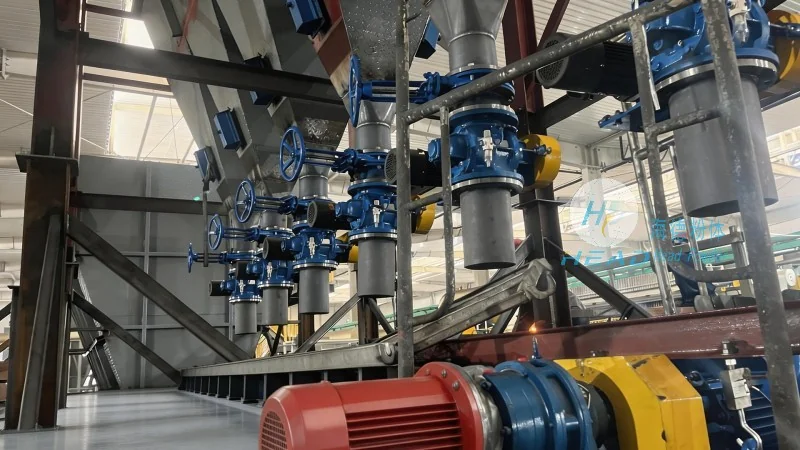
Challenges and Solutions in Wood Powder Pneumatic Conveying
Despite their benefits, wood powder pneumatic conveying systems can face several challenges. One common issue is the agglomeration of wood powder particles, which can cause blockages in the pipeline. This can be mitigated by adding a small amount of air or using a vibrating feeder to break up the agglomerates. Another challenge is the moisture content of the wood powder, which can lead to corrosion of metal components or the growth of mold. To address this, the system may include a drying step or use corrosion-resistant materials. Additionally, the high dust content can lead to wear and tear on the system components, such as the blower and the conveying line. Regular maintenance and the use of high-quality materials can help to mitigate these issues and ensure the long-term performance of the system.
Conclusion
Wood powder material pneumatic conveying systems are essential equipment for industries that rely on the efficient and safe transfer of wood powder. The design principles, including the selection of the appropriate conveying method, calculation of air velocity and pressure drop, and the use of suitable materials, are critical to the system's performance and reliability. By understanding these principles and addressing the challenges associated with wood powder, manufacturers can develop effective and efficient pneumatic conveying systems that meet the needs of their operations. As the demand for wood powder continues to grow, the importance of these systems will only increase, making them a vital component of modern industrial processes.