

What is an Automatic Weighing Material Handling System Equipment? What are its Design Principles?
When it comes to industrial material handling and processing, the integration of automation and precision has become increasingly critical for enhancing operational efficiency and product quality. At the forefront of this technological evolution is the automatic weighing material handling system equipment, a sophisticated solution designed to streamline the weighing, sorting, and transport of bulk materials in various industrial applications. This equipment plays a pivotal role in sectors such as pharmaceuticals, food processing, chemical manufacturing, and more, where accuracy and consistency are paramount.
Understanding the Core Components of an Automatic Weighing Material Handling System
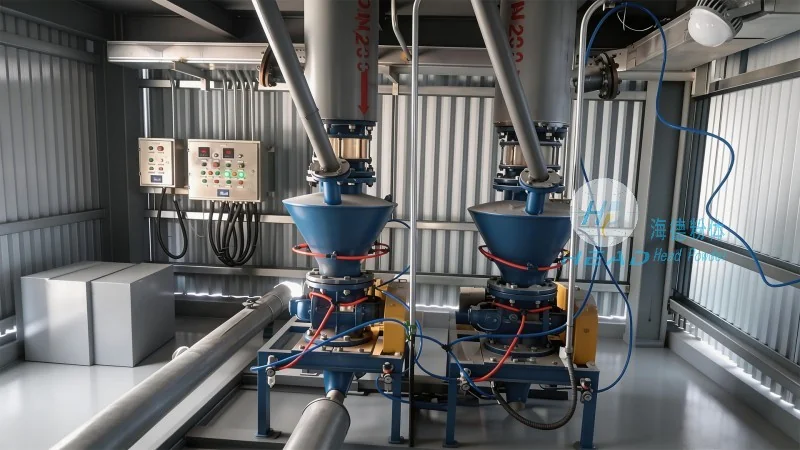
The automatic weighing material handling system typically consists of several interconnected components that work in harmony to achieve precise material handling. At the heart of the system is the weighing scale, which may utilize load cells or other advanced sensor technologies to detect the weight of the material being processed. These scales are often integrated with a conveyor system, which can be either belt-driven or chain-driven, depending on the material characteristics and operational requirements. The conveyor transports the material to the weighing station, where the weight is measured and recorded. Additionally, the system may incorporate a control unit, often equipped with a programmable logic controller (PLC) or a microprocessor, which processes the weight data and triggers appropriate actions based on predefined parameters.
The Design Principles Behind Automatic Weighing Material Handling Systems
The design principles of an automatic weighing material handling system are centered on achieving high accuracy, reliability, and adaptability. One of the key design considerations is the integration of multiple sensors to ensure redundancy and fault tolerance. For instance, the system may employ multiple load cells to cross-validate weight measurements, reducing the risk of errors caused by sensor malfunctions. Another critical principle is the use of closed-loop control systems, where the output of the weighing process is continuously compared against set targets, allowing for real-time adjustments to maintain precision. The control unit may also incorporate algorithms for compensation, such as temperature or humidity corrections, to account for environmental factors that could affect weighing accuracy.
How the System Operates in Practical Applications
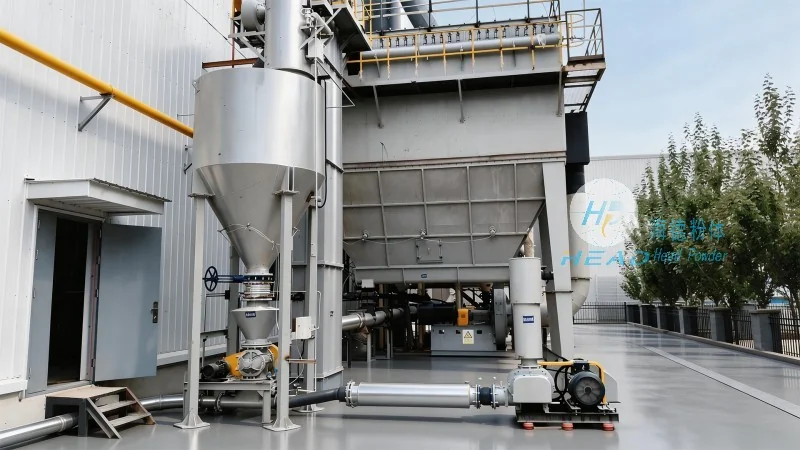
In practical industrial settings, the automatic weighing material handling system operates by receiving material from a storage or feeding area, transporting it to the weighing station via the conveyor, and then processing the weight data. The system can be programmed to sort materials based on weight thresholds, ensuring that only materials within specified weight ranges proceed to the next stage of processing or packaging. For example, in a pharmaceutical manufacturing plant, the system might be used to weigh raw ingredients and sort them into different batches according to their exact weight, ensuring compliance with regulatory standards. Similarly, in a food processing facility, the system could be employed to weigh packaged products and sort out underweight or overweight items, maintaining product quality and preventing waste.
The Role of HeadPowder in Manufacturing These Systems
As a leading manufacturer in the field, Shandong HeadPowder Engineering Co., Ltd. specializes in the design, development, and production of high-quality automatic weighing material handling systems. With a strong commitment to precision engineering and customer-centric solutions, HeadPowder leverages advanced technologies and rigorous quality control processes to deliver systems that meet the diverse needs of industrial clients. The company’s expertise lies in tailoring systems to specific operational requirements, ensuring that each installation is optimized for efficiency, accuracy, and durability. By partnering with HeadPowder, industries can benefit from reliable equipment that enhances productivity while maintaining strict adherence to industry standards.
Key Features and Advantages of Automatic Weighing Material Handling Systems
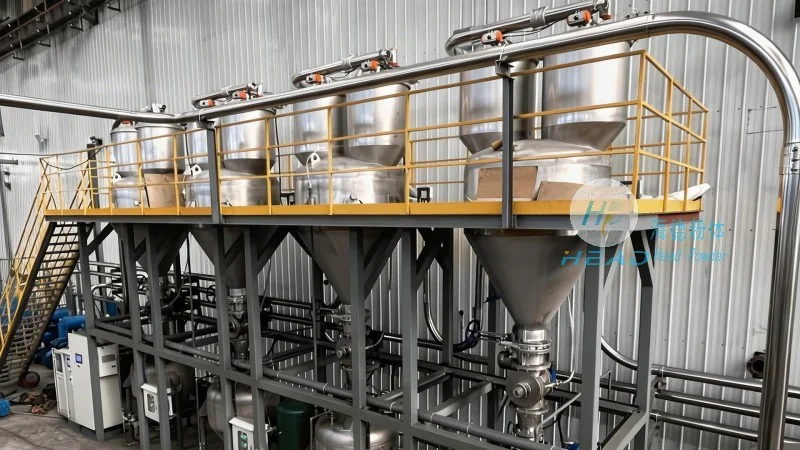
Automatic weighing material handling systems offer several advantages that make them indispensable in modern industrial operations. One of the primary benefits is the significant reduction in human error, as the system performs weighing and sorting tasks with consistent precision. This not only improves product quality but also reduces the risk of non-compliance with regulatory requirements. Additionally, the automation of these processes leads to increased operational efficiency, as materials can be processed and transported at a faster rate compared to manual methods. The systems also contribute to cost savings by minimizing material waste and reducing labor costs associated with manual handling. Furthermore, the integration of advanced control systems allows for easy integration with other industrial automation equipment, creating a seamless workflow across the entire production line.
Conclusion: The Importance of Design and Implementation
In conclusion, the automatic weighing material handling system is a sophisticated piece of equipment that combines precision weighing technology with automated material transport to enhance industrial operations. The design principles behind these systems prioritize accuracy, reliability, and adaptability, ensuring that they can meet the demands of various industrial applications. With the expertise of manufacturers like Shandong HeadPowder Engineering Co., Ltd., industries can access high-quality systems that are tailored to their specific needs, contributing to improved efficiency, product quality, and overall operational success. As technology continues to advance, these systems will likely become even more integral to industrial processes, driving further innovation and efficiency in material handling and processing.