

What is an Intermittent Inflatable Tank Material Handling System? What is its Design Principle?
Intermittent inflatable tank material handling systems represent a specialized category of equipment designed for the efficient and controlled transport of bulk materials. These systems are particularly valuable in industries where the handling of powders, granules, or other particulate materials requires precision and reliability. The core function of such a system involves the use of an inflatable tank that can be pressurized or depressurized to move material in a controlled manner, often between different locations or processing stages.
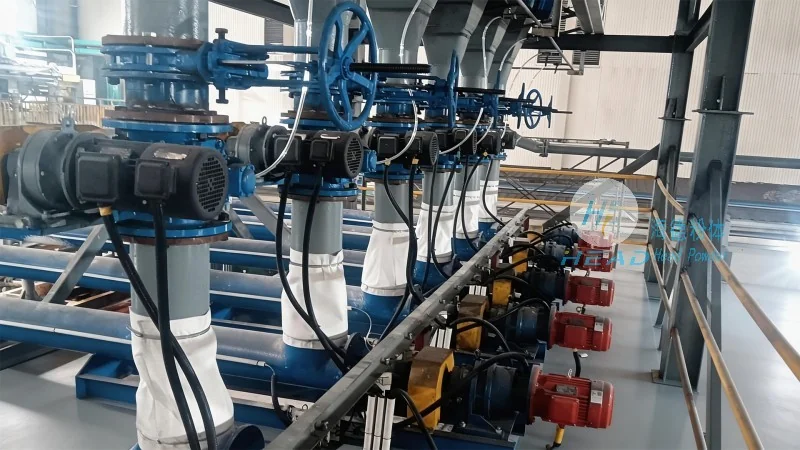
Understanding the Core Components and Functionality
At the heart of an intermittent inflatable tank material handling system lies the inflatable tank itself, which is typically constructed from durable, flexible materials such as reinforced rubber or specialized plastics. This tank is designed to be lightweight yet robust, capable of withstanding the pressures and stresses associated with material transport. The tank is equipped with inlet and outlet ports, as well as inflation and deflation valves, which allow for the controlled movement of material within the tank. When the tank is inflated, it expands, creating a sealed environment that can be pressurized to push the material forward. Conversely, when the tank is deflated, it contracts, allowing the material to settle or be drawn into the tank for subsequent transport. This cycle of inflation and deflation creates an intermittent flow, hence the name of the system.
The Design Principle: Balancing Efficiency and Control
The design principle of an intermittent inflatable tank material handling system centers on achieving a balance between operational efficiency and precise control over material movement. Engineers from Shandong HeadPowder Engineering Co., Ltd. focus on optimizing the tank's geometry, material properties, and valve mechanisms to ensure that the system operates with minimal energy consumption while maintaining the integrity of the material being handled. A key aspect of the design is the ability to regulate the pressure and timing of inflation and deflation cycles. This control is crucial for preventing material degradation, such as caking or segregation, which can occur during traditional bulk material transport methods. By carefully managing the pressure differentials, the system can ensure that the material moves smoothly and consistently, reducing the risk of blockages or spills.
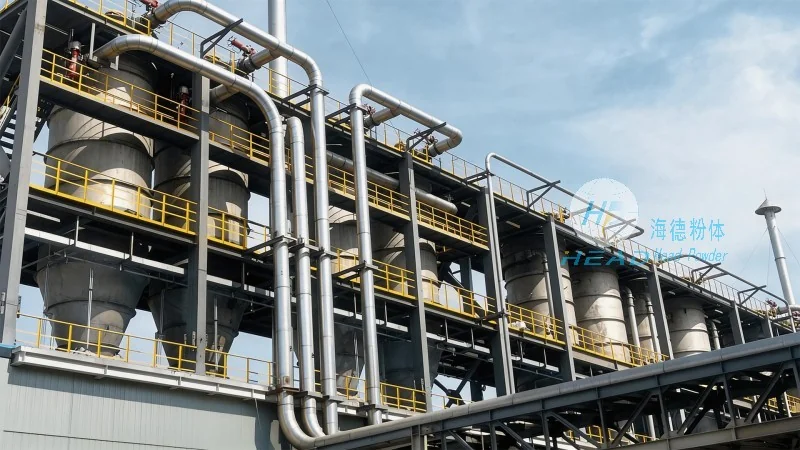
Applications and Industry Relevance
Intermittent inflatable tank material handling systems find widespread application across various industries, including pharmaceuticals, food processing, chemical manufacturing, and mining. In the pharmaceutical sector, for example, these systems are used to transport sensitive powders that require sterile and contamination-free handling. The controlled nature of the system minimizes the risk of cross-contamination and ensures that the material remains in a stable state throughout transport. Similarly, in the food industry, the system can be adapted to handle ingredients like flour, sugar, or spices, maintaining their quality and preventing clumping. In chemical manufacturing, the system is valuable for transporting powders that may be hazardous or reactive, as it allows for safe and contained transport without the need for high-speed or high-pressure equipment.
Advantages Over Traditional Material Handling Methods
Compared to traditional methods such as conveyor belts or pneumatic conveying systems, intermittent inflatable tank material handling systems offer several distinct advantages. One of the primary benefits is the reduced risk of material degradation. The controlled pressure and intermittent flow prevent the material from being subjected to excessive shear or friction, which can cause clumping or degradation. Additionally, the system is more energy-efficient, as it only requires power during the inflation and deflation cycles rather than continuous operation. This results in lower operational costs and a smaller environmental footprint. Another advantage is the flexibility of the system, which can be adapted to handle a wide range of materials and transport distances. The inflatable tank can be customized in size and shape to suit specific application requirements, making it a versatile solution for various bulk material handling challenges.
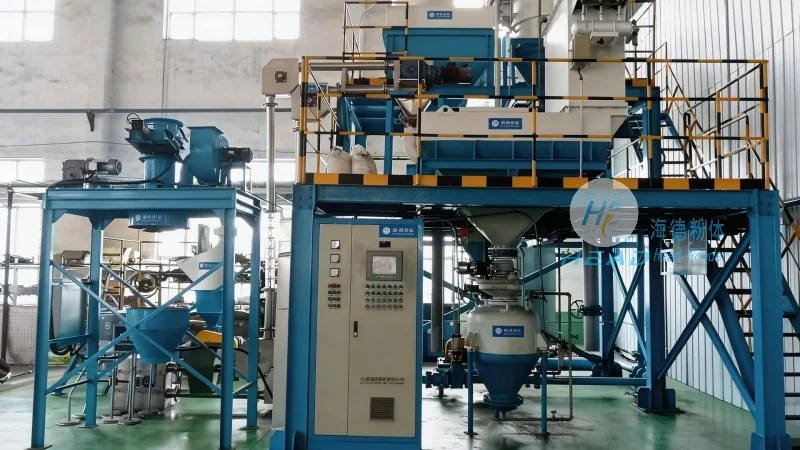
Key Considerations for Implementation
When implementing an intermittent inflatable tank material handling system, several factors must be considered to ensure optimal performance. First, the material properties of the bulk material being handled must be carefully evaluated. Factors such as particle size, density, and flow characteristics will determine the appropriate tank design and operating parameters. Second, the system must be integrated with existing infrastructure, including loading and unloading equipment, to ensure seamless operation. This may involve customizing the inlet and outlet ports to match the existing equipment. Third, regular maintenance is essential to ensure the longevity and reliability of the system. This includes inspecting the tank for any signs of wear or damage, checking the valve mechanisms for proper operation, and cleaning the system to prevent material buildup. By addressing these considerations, users can maximize the efficiency and lifespan of their intermittent inflatable tank material handling system.
Conclusion: A Reliable Solution for Bulk Material Transport
Intermittent inflatable tank material handling systems represent a sophisticated and effective solution for the transport of bulk materials. Through their design principles, which focus on controlled pressure and intermittent flow, these systems offer advantages in terms of material integrity, energy efficiency, and flexibility. Companies like Shandong HeadPowder Engineering Co., Ltd. play a crucial role in developing and manufacturing these systems, providing tailored solutions to meet the specific needs of various industries. As bulk material handling continues to evolve, the intermittent inflatable tank system remains a valuable asset, offering a reliable and efficient method for transporting materials in a controlled and safe manner.