Understanding the mineral sand powder conveying line is essential for industries dealing with bulk material handling, especially in the processing of mineral sands. This equipment is designed to efficiently transport fine powders and granular materials, such as those found in mining and processing operations. The following sections will explore the definition of this system and its underlying design principles, providing insights into how it operates and its significance in industrial applications.
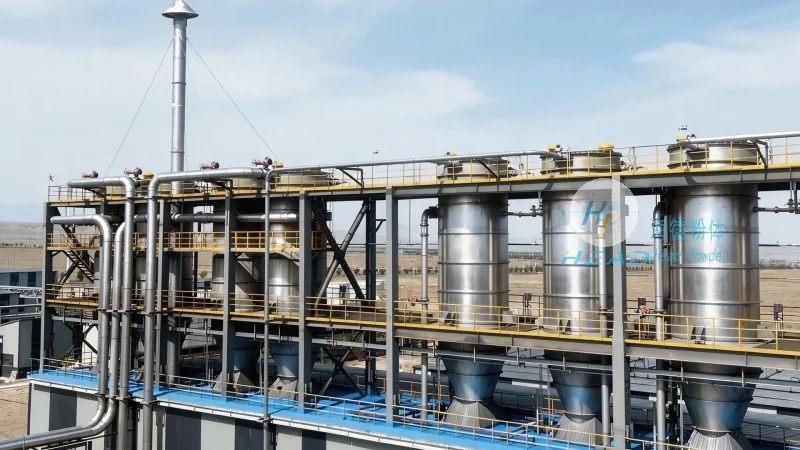
Introduction to Mineral Sand Powder Conveying Lines
A mineral sand powder conveying line, also known as a powder handling system, is a specialized setup used to transport mineral sand powders and other fine particulate materials from one location to another within a processing facility. These systems are crucial in industries like mining, mineral processing, and chemical manufacturing, where the efficient movement of bulk materials is vital for operational efficiency and cost-effectiveness. The primary function of such a line is to ensure that mineral sand powders are moved safely, reliably, and in compliance with industry standards, minimizing material loss and operational downtime.
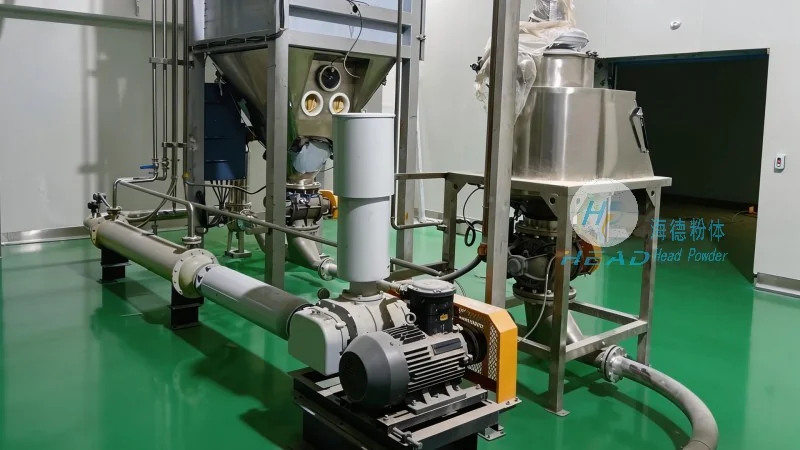
Key Components of a Mineral Sand Powder Conveying Line
The design of a mineral sand powder conveying line typically involves several key components that work in tandem to achieve effective material transport. These components include feeders, conveyors, control systems, and dust collection equipment. Feeders are responsible for uniformly feeding the mineral sand powder into the conveying system, ensuring a consistent flow rate. Conveyors, such as pneumatic or mechanical systems, then transport the material through the line. Control systems monitor and regulate the operation of the conveying line, adjusting parameters like pressure, flow rate, and speed as needed. Dust collection systems are also integral, as they help manage airborne particles and maintain a safe working environment.
Design Principles for Efficient Material Handling
The design principles of a mineral sand powder conveying line are centered on maximizing efficiency, reliability, and safety. One of the core principles is the selection of appropriate conveying technology based on the properties of the mineral sand powder, including its particle size, moisture content, and flowability. For example, pneumatic conveying systems are often preferred for fine powders due to their ability to handle high volumes and minimize material degradation. Mechanical conveying systems, like belt or screw conveyors, may be used for larger particles or when the material is more abrasive. Another key principle is the consideration of system layout and integration with other processing equipment. A well-designed line should be integrated seamlessly with the upstream and downstream processes, ensuring smooth material flow and minimizing bottlenecks.
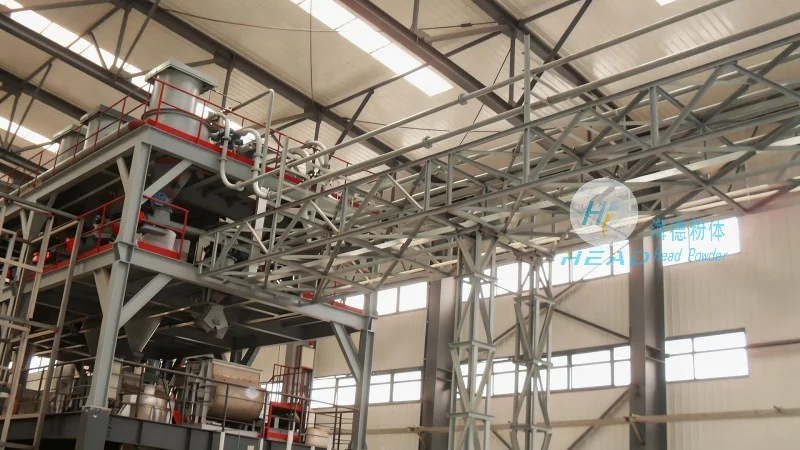
HeadPowder's Expertise in Mineral Sand Powder Conveying Systems
Shandong HeadPowder Engineering Co., Ltd., a leading provider of bulk material handling solutions, specializes in designing and manufacturing mineral sand powder conveying lines tailored to the specific needs of various industries. With years of experience in the field, HeadPowder understands the unique challenges associated with handling mineral sand powders, such as their fine particle size and potential for dust generation. The company's engineers employ advanced design principles and cutting-edge technology to develop customized conveying systems that meet the highest standards of efficiency and reliability. HeadPowder's solutions are designed to optimize material transport while ensuring compliance with safety and environmental regulations. The company's headquarters is located in Shandong, China, where it continues to innovate and provide top-tier engineering services to clients worldwide.




