

What is a Phosphate Iron Powder Conveying Line? And What Are Its Design Principles?
Phosphate iron powder conveying lines are specialized industrial systems engineered to handle and transport phosphate iron powder, a critical material in various manufacturing processes. These systems are designed to ensure efficient, safe, and reliable material handling, playing a vital role in production workflows. Understanding the components and design principles of such lines is essential for optimizing operational efficiency and maintaining product quality.
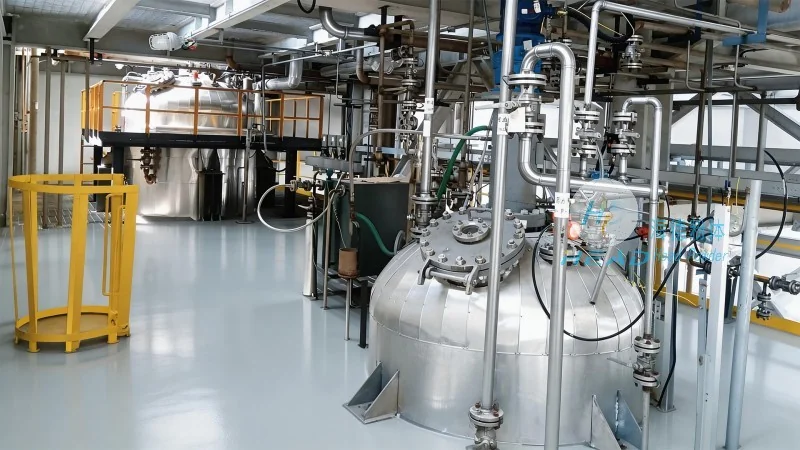
Introduction to Phosphate Iron Powder Conveying Lines
A phosphate iron powder conveying line is a comprehensive system that integrates multiple components to transport phosphate iron powder from storage to processing units. The system typically includes hoppers, feeders, conveyors, and control mechanisms, all working in tandem to move the powder through the production line. These lines are crucial in industries such as battery manufacturing, where phosphate iron powder is a key component in cathode materials for lithium-ion batteries. The design of these systems must address the unique properties of phosphate iron powder, including its fine particle size, potential for static charge, and susceptibility to caking or agglomeration.
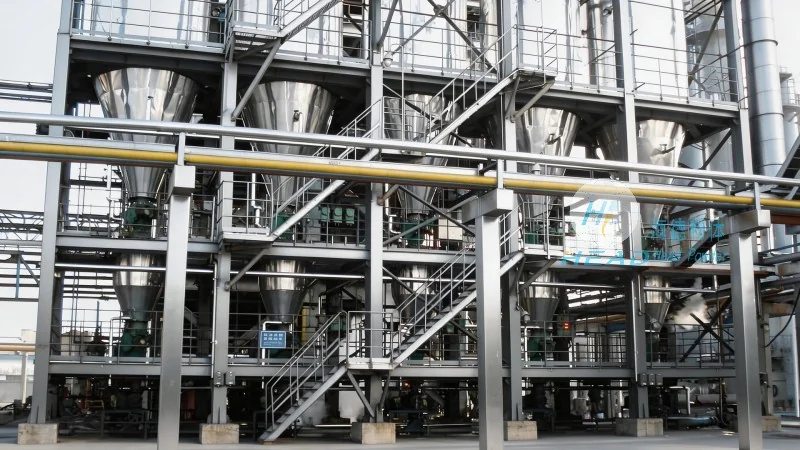
Key Components of a Phosphate Iron Powder Conveying Line
The core components of a phosphate iron powder conveying line include: 1. Hoppers: These are storage vessels designed to hold the phosphate iron powder before it is fed into the conveying system. Hoppers are often equipped with liners to prevent material buildup and corrosion, which is essential given the chemical properties of phosphate iron powder. 2. Feeders: Feeders regulate the flow of powder from the hopper to the conveyor. Common types include rotary valves, vibratory feeders, and screw feeders, each chosen based on the material's characteristics and the required flow rate. 3. Conveyors: The conveyor system is the primary mechanism for transporting the powder. Options include pneumatic conveying systems (using air to move the powder), mechanical conveyors (such as belt or screw conveyors), and vacuum systems. The choice of conveyor depends on factors like the distance to be covered, the volume of material, and the need to maintain material integrity. 4. Control Systems: Advanced control systems monitor and regulate the operation of the conveying line. These systems ensure consistent flow rates, prevent overfilling or underfilling, and provide real-time data on system performance. Sensors and automation technologies are integrated to enhance safety and efficiency.
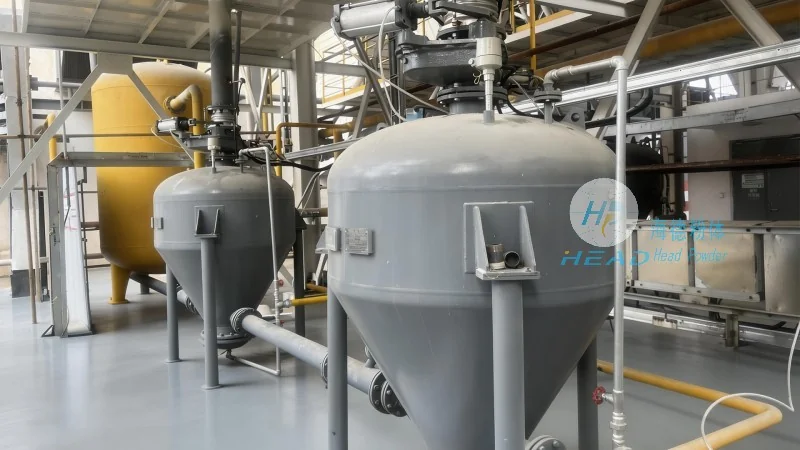
Design Principles for Phosphate Iron Powder Conveying Lines
The design of a phosphate iron powder conveying line follows several key principles to ensure optimal performance and reliability. First, material handling efficiency is a primary consideration. The system must be capable of transporting the powder at the required rate without excessive energy consumption or material loss. This involves selecting the appropriate conveyor type and ensuring proper alignment and maintenance of components. Second, material integrity preservation is critical. Phosphate iron powder is sensitive to moisture, air exposure, and mechanical stress, which can affect its properties and performance in downstream processes. The design must minimize exposure to these factors, such as by using sealed hoppers and enclosed conveyor systems. Third, safety and compliance are essential. The system must adhere to industrial safety standards to prevent dust explosions, material spills, and other hazards. This includes implementing measures like explosion-proof designs, dust collection systems, and proper grounding to manage static electricity. Fourth, scalability and adaptability are important for future growth. The design should allow for easy expansion or modification to accommodate changes in production volume or material specifications. This flexibility ensures the system remains effective as production needs evolve.
Operational Considerations and Maintenance
Proper operation and maintenance of a phosphate iron powder conveying line are crucial for long-term performance and reliability. Regular maintenance tasks include cleaning the system to prevent material buildup, inspecting and replacing worn components (such as conveyor belts or feeder parts), and checking the functionality of control systems. Additionally, monitoring the system's performance through sensors and data analysis helps identify potential issues before they lead to downtime or product quality issues. Proper training for operators on the safe and efficient operation of the conveying line is also essential to ensure consistent performance and minimize risks.
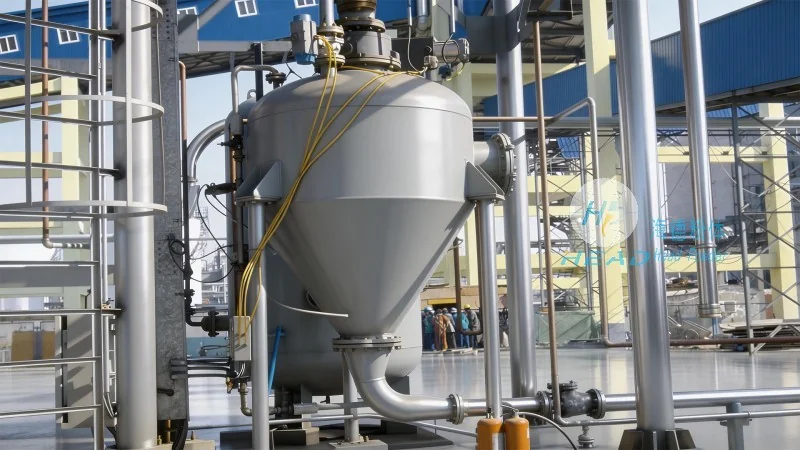
Conclusion
Phosphate iron powder conveying lines are sophisticated industrial systems that play a vital role in the production of phosphate iron powder-based products. The design and operation of these lines must consider the unique properties of the material, including its fine particle size and potential for static charge, to ensure efficient and reliable material handling. By adhering to key design principles and implementing proper maintenance practices, these systems can optimize production efficiency, maintain product quality, and enhance overall operational safety. Companies like Shandong HeadPowder Engineering Co., Ltd., based in China, specialize in designing and manufacturing such conveying lines, providing tailored solutions to meet the specific needs of their clients in the battery and other industries.