

What is an Intermittent Feeding Pneumatic Conveying System? What is its Design Principle?
Intermittent feeding pneumatic conveying systems represent a specialized class of material handling equipment designed to transport bulk materials through a pipeline using pressurized air or other gas streams. Unlike continuous systems that maintain a constant flow of material, intermittent feeding systems operate by periodically introducing material into the conveying line, typically in discrete batches. This approach offers distinct advantages in certain industrial applications, particularly where precise control over material flow, reduced product degradation, or the handling of sensitive materials is critical. The design of such systems is intricate, integrating components like feed hoppers, rotary valves, and pressure vessels to ensure efficient and reliable operation.
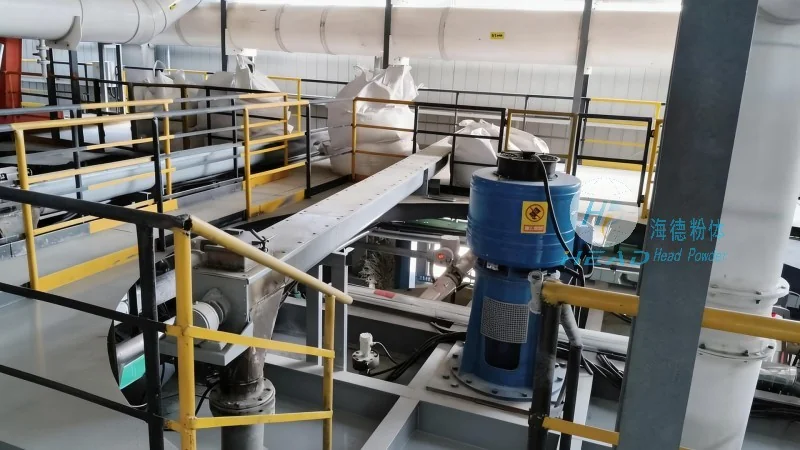
Key Components of an Intermittent Feeding Pneumatic Conveying System
The core components of an intermittent feeding pneumatic conveying system work in concert to achieve the desired material transport. At the heart of the system is the feed hopper, which serves as the storage and feeding chamber for the bulk material. This hopper is equipped with a rotary valve or feeder that controls the release of material into the conveying line. The rotary valve, often a star or vane type, allows for precise metering of material, ensuring that only the required amount is introduced at each cycle. This component is crucial for maintaining the intermittent nature of the system and preventing overloading or underloading of the conveying line.
Adjacent to the feed hopper is the pressure vessel or air receiver, which stores the compressed air or gas used to propel the material. This vessel is typically equipped with a pressure regulator and safety valve to maintain consistent pressure levels and prevent over-pressurization. The pressure vessel's capacity and design are critical, as they directly impact the system's conveying capacity and efficiency. The pipeline itself, usually made of stainless steel or other corrosion-resistant materials, connects the feed hopper to the discharge point and is often equipped with bends, elbows, and straight sections to accommodate the material's path. The discharge point may include a receiver hopper or a dust collector to capture any material that does not fully convey.
Design Principles and Operational Mechanism
The design principle of an intermittent feeding pneumatic conveying system revolves around the controlled introduction of material and the subsequent use of pressurized air to transport it. The operational cycle typically begins with the filling of the feed hopper with the bulk material. The rotary valve then opens, allowing a measured quantity of material to fall into the pressure vessel. Simultaneously, the compressed air is introduced into the vessel, creating a pressure differential that propels the material through the pipeline. The material is carried by the air stream as a dense phase or dilute phase, depending on the system design and material characteristics. The intermittent nature of the system ensures that the air flow is not continuously carrying material, which can reduce energy consumption and prevent material degradation due to excessive air velocity.
One of the key design considerations is the balance between the material feed rate and the air flow rate. If the feed rate is too high relative to the air flow, the material may not be fully entrained, leading to blockages or reduced conveying efficiency. Conversely, if the air flow is too high, energy costs increase without a proportional increase in material transport. The system's design must account for the specific properties of the material being conveyed, such as particle size, density, and flowability, to optimize the feed and air parameters. For example, cohesive or fine powders may require a higher air-to-material ratio to ensure proper suspension, while larger, denser particles may benefit from a lower ratio to minimize energy consumption.
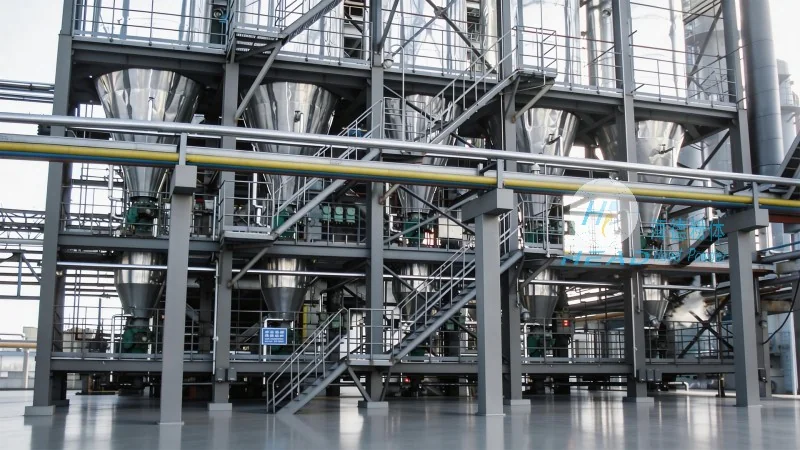
Advantages and Applications of Intermittent Feeding Systems
Intermittent feeding pneumatic conveying systems offer several advantages over continuous systems, making them suitable for a variety of industrial applications. One of the primary benefits is the ability to handle sensitive materials without degradation. The controlled, periodic introduction of material reduces the exposure of the product to high air velocities or prolonged exposure to air, which can cause oxidation, agglomeration, or loss of quality. This makes the system ideal for conveying pharmaceuticals, food products, or other materials where product integrity is paramount.
Another advantage is the reduced risk of product contamination. Since the system operates in a closed loop, there is minimal exposure to external contaminants, and the use of clean air or inert gases can further enhance purity. This is particularly important in industries such as pharmaceuticals, food processing, and chemical manufacturing, where product purity is a critical quality control factor.
The intermittent feeding system also offers flexibility in material handling. By adjusting the feed rate and air pressure, operators can control the conveying speed and volume, allowing for precise control over the material flow. This is beneficial in applications where the receiving equipment, such as a mixer or storage silo, has specific capacity requirements or processing rates. Additionally, the system can handle a wide range of materials, from fine powders to granules and even bulk solids, making it a versatile solution for diverse industrial needs.
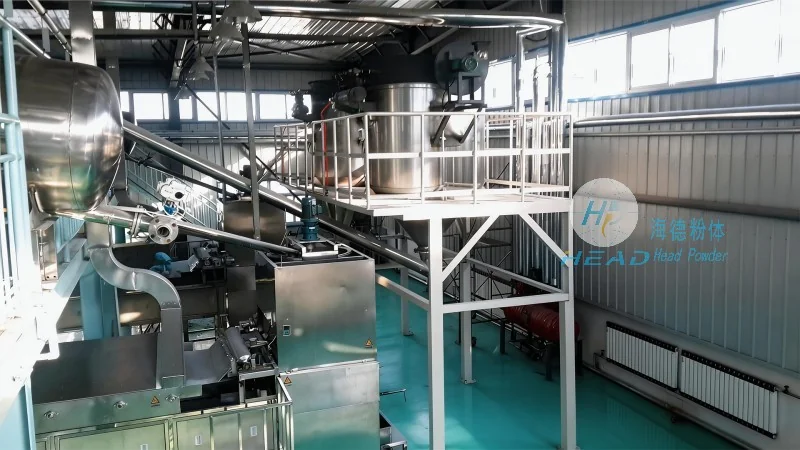
Considerations for System Integration and Maintenance
When integrating an intermittent feeding pneumatic conveying system into an industrial process, several factors must be considered to ensure optimal performance and longevity. The system's design must be compatible with the existing infrastructure, including the layout of the plant, the location of the feed and discharge points, and the available power and air supply. Proper planning is essential to minimize installation costs and ensure smooth operation.
Maintenance of the system is another critical aspect. Regular inspection and servicing of components such as the rotary valve, pressure vessel, and pipeline are necessary to prevent wear and tear and maintain efficiency. The rotary valve, in particular, requires periodic cleaning and lubrication to ensure smooth operation and prevent material buildup. The pressure vessel and air compressor must also be checked for leaks and pressure integrity to avoid safety hazards and energy waste.
Additionally, the system's performance should be monitored regularly. This includes checking the pressure levels, material flow rates, and conveying efficiency to identify any issues early and address them before they lead to system failure. Proper training of operators on the system's operation and maintenance is also essential to ensure safe and efficient use.
Conclusion
Intermittent feeding pneumatic conveying systems represent a sophisticated and effective solution for bulk material handling in various industrial applications. Their design, which integrates precise material feeding with controlled air propulsion, allows for efficient, low-energy transport of a wide range of materials while maintaining product integrity and minimizing contamination risks. As industrial processes continue to demand higher levels of precision and efficiency, these systems remain a valuable asset for companies seeking reliable and cost-effective material handling solutions.