Wool pneumatic conveying equipment is a specialized system designed to handle and transport wool efficiently. As a key component in the textile processing industry, this equipment plays a crucial role in ensuring the smooth flow of raw materials from storage to processing units. The technology behind these systems leverages pneumatic principles to move wool through a network of pipes and components, offering advantages such as reduced labor costs, improved safety, and enhanced material handling capabilities. In this article, we will explore the fundamental principles, operational mechanisms, and practical applications of wool pneumatic conveying equipment, highlighting its significance in modern wool processing operations.
Core Components and Their Functions
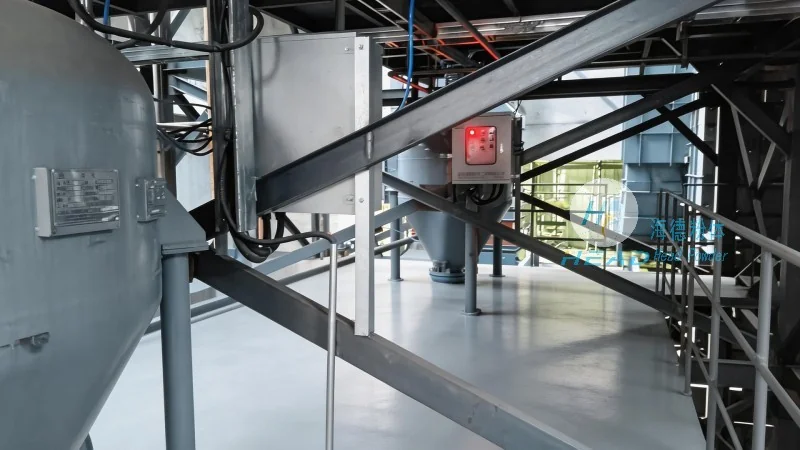
The wool pneumatic conveying system consists of several critical components that work in tandem to achieve effective material transport. The primary elements include the hopper, which serves as the initial collection point for raw wool; the air compressor, responsible for generating the necessary pressure to move the material; the conveying pipes, which form the pathway for the wool; and the control valves, which regulate the flow and pressure within the system. Each component is meticulously designed to handle the unique characteristics of wool, such as its fibrous texture and varying moisture content. The hopper is typically equipped with a feeding mechanism that ensures a consistent flow of wool into the system, while the air compressor provides the driving force through compressed air. The conveying pipes are often made of durable materials like stainless steel or PVC to withstand the abrasive nature of wool fibers and prevent blockages. Control valves, including pressure regulators and flow meters, allow operators to adjust the system parameters in real-time, optimizing performance based on the specific requirements of the processing line.
How Pneumatic Conveying Works: The Principle of Operation
The operation of wool pneumatic conveying equipment is based on the fundamental principle of fluid dynamics, specifically the use of air as a medium to transport solid materials. There are two main types of pneumatic conveying systems: pressure and vacuum. In pressure systems, compressed air is introduced into the conveying line at the discharge end, creating a pressure differential that pushes the wool forward. The air and wool mixture travels through the pipes, with the air providing the necessary momentum to overcome resistance and move the material. In vacuum systems, a vacuum is created at the discharge end, pulling the wool from the hopper and through the pipes. Both systems rely on the concept of particle suspension, where the air velocity is sufficient to keep the wool fibers suspended and prevent them from settling or clogging the system. The efficiency of the conveying process depends on factors such as air velocity, particle size, and the density of the material. Proper design and maintenance of the system are essential to ensure consistent performance and minimize downtime. The use of air as the conveying medium also allows for the integration of other processing steps, such as cleaning or drying, within the same system, enhancing overall operational efficiency.
Advantages of Wool Pneumatic Conveying Equipment
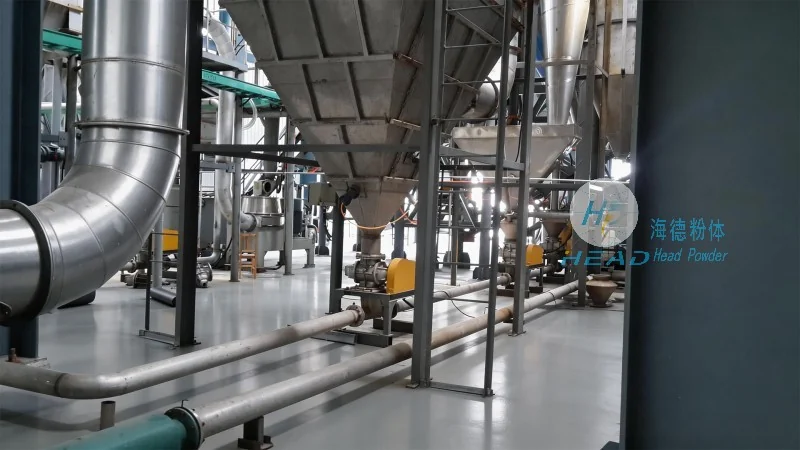
Wool pneumatic conveying equipment offers several advantages over traditional manual or mechanical handling methods. One of the most significant benefits is the reduction in labor costs, as the system automates the material transport process, eliminating the need for manual handling of heavy or bulky wool bales. This not only improves operational efficiency but also enhances workplace safety by minimizing the risk of accidents and injuries associated with manual lifting and moving. Additionally, the system provides a hygienic and clean environment for handling raw wool, as the enclosed pipes prevent contamination from external sources and reduce the risk of dust or fiber dispersion. The ability to handle varying quantities of wool without interruption is another key advantage, as the system can be scaled to meet the demands of different processing lines. Furthermore, the modular design of these systems allows for easy integration with existing production lines, making it a flexible solution for textile manufacturers. The consistent flow of material also improves the quality of the final product, as it reduces the likelihood of material degradation or damage during transport. Overall, the adoption of wool pneumatic conveying equipment contributes to a more streamlined and efficient wool processing operation.
Applications in the Textile Industry
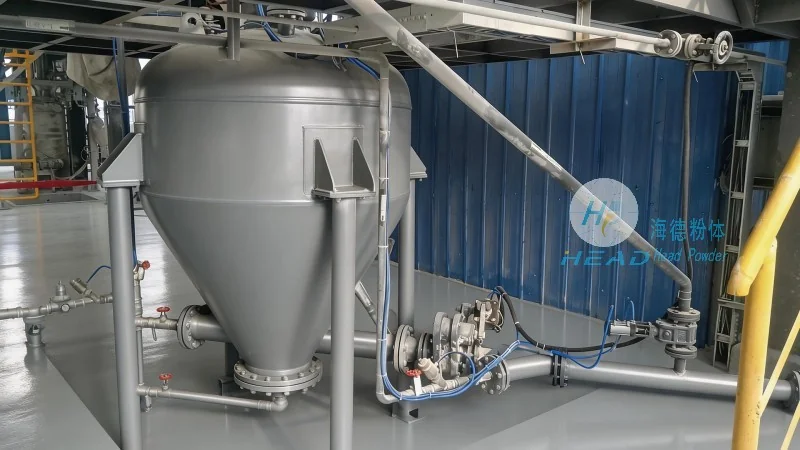
Wool pneumatic conveying equipment is widely used in various stages of the textile production process. In the initial stages, it is employed to transport raw wool from storage facilities to the carding or spinning machines. The system ensures that the wool is delivered in a uniform manner, which is crucial for maintaining the quality of the final yarn. During the processing stages, the equipment may also be used to transport processed wool or waste materials between different units, such as from the carding machine to the combing machine or from the spinning machine to the winding unit. In some cases, the system is integrated with cleaning or conditioning equipment to improve the quality of the wool before further processing. The versatility of the pneumatic conveying system makes it suitable for a wide range of applications, from small-scale operations to large industrial facilities. The ability to handle different types of wool, including fine and coarse fibers, further enhances its applicability in the textile industry. By providing a reliable and efficient means of material transport, wool pneumatic conveying equipment supports the overall productivity and profitability of textile manufacturers.
Maintenance and Operational Considerations
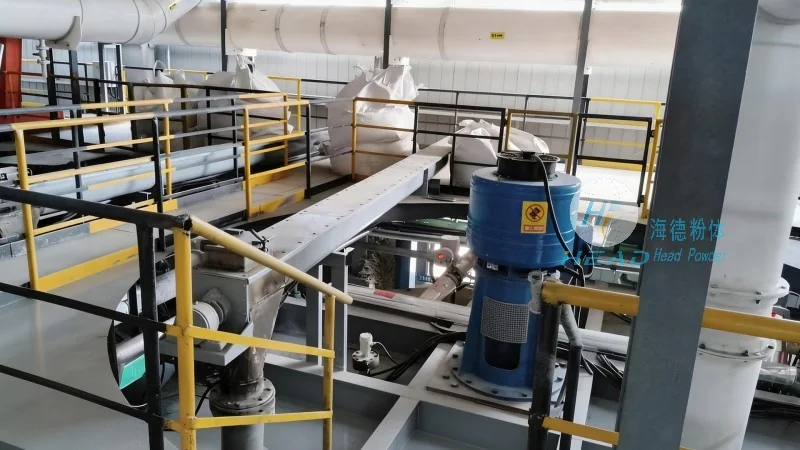
Proper maintenance is essential to ensure the optimal performance and longevity of wool pneumatic conveying equipment. Regular inspection and cleaning of the conveying pipes and components are necessary to prevent blockages and ensure consistent airflow. The air compressor and control valves should be checked regularly for wear and tear, and any issues should be addressed promptly to avoid system failures. The hopper and feeding mechanisms should also be maintained to prevent material buildup and ensure a smooth flow of wool into the system. Operational considerations include monitoring the system's pressure and flow rates, as well as adjusting the settings based on the type and quantity of wool being processed. It is important to follow the manufacturer's guidelines for maintenance and operation to maximize the system's efficiency and minimize downtime. Proper training of operators on the system's functions and safety procedures is also crucial to ensure safe and effective operation. By adhering to these maintenance and operational practices, textile manufacturers can ensure that their wool pneumatic conveying equipment operates at peak performance, delivering reliable and efficient material transport for their processing lines.
Conclusion
Wool pneumatic conveying equipment is a vital technology in the modern textile industry, offering efficient and reliable solutions for handling and transporting raw wool. By leveraging pneumatic principles, these systems provide advantages such as reduced labor costs, improved safety, and enhanced material handling capabilities. The core components, operational mechanisms, and practical applications of the equipment have been discussed, highlighting its significance in streamlining wool processing operations. With proper maintenance and operational practices, wool pneumatic conveying equipment can contribute to increased productivity and profitability for textile manufacturers. As the demand for high-quality wool products continues to grow, the adoption of advanced pneumatic conveying systems will remain a key factor in the success of wool processing operations.




