

Dust Transport: Choosing Positive Pressure or Negative Pressure Conveying? How to Distinguish?
When it comes to dust transport systems, selecting the right conveying method is crucial for efficiency, safety, and operational reliability. Two primary approaches dominate the industry: positive pressure conveying and negative pressure conveying. Each method has distinct characteristics, advantages, and applications, making it essential to understand the differences to choose the most suitable option for a specific dust handling scenario. This article will explore the key aspects of both positive and negative pressure conveying, helping you make an informed decision for your dust transport needs.
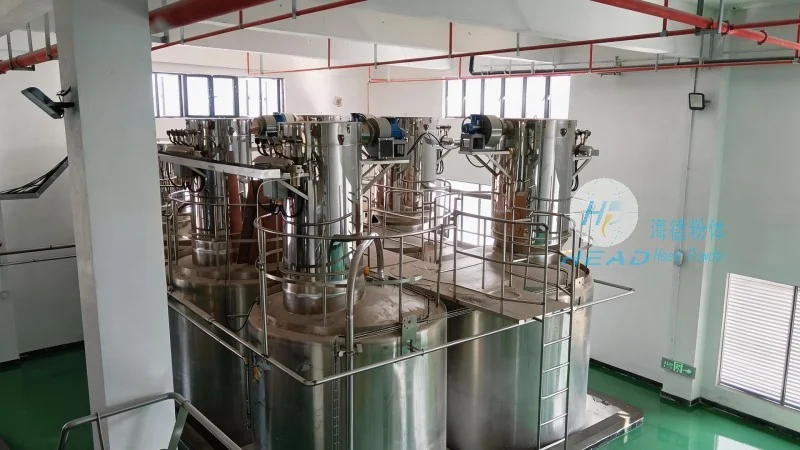
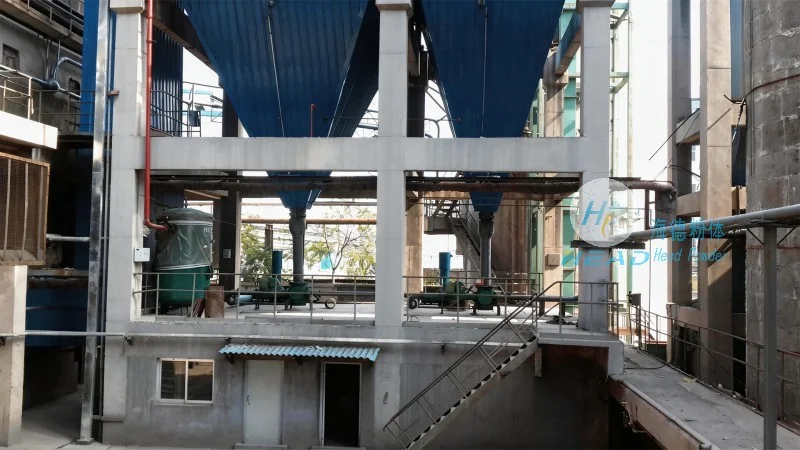
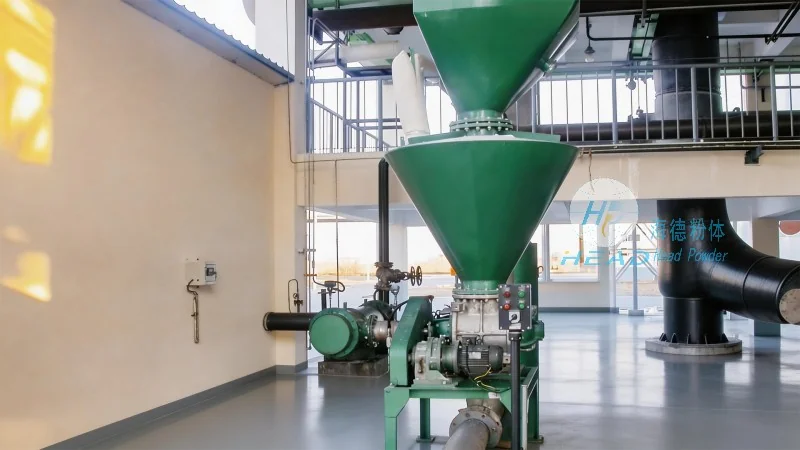
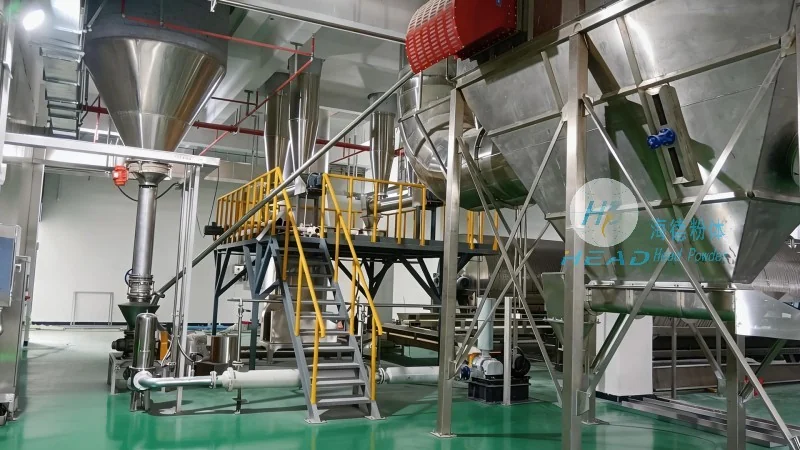
Positive Pressure Conveying: How It Works and Its Advantages
Positive pressure conveying, also known as pressure-fed or blow-through conveying, operates by forcing air or gas through the material to be transported. The system utilizes a positive pressure source, such as a centrifugal blower or positive displacement compressor, to create a pressure differential that propels the dust particles through the pipeline. This method is particularly effective for transporting fine powders and granular materials over moderate to long distances. One of the main advantages of positive pressure conveying is its ability to handle abrasive materials without excessive wear on the equipment. The pressurized air also helps to prevent dust from settling in the pipeline, reducing the risk of blockages and ensuring consistent flow. Additionally, positive pressure systems are generally more energy-efficient for certain applications, as they can use less air volume compared to negative pressure systems for the same material load. For instance, in cement or flour processing, positive pressure conveying can efficiently transport fine powders over several hundred meters with minimal pressure loss, making it a preferred choice for large-scale industrial operations.