

Choosing Between Positive Pressure and Negative Pressure for Dust Conveying: How to Distinguish?
When it comes to dust handling and material transport, selecting the right conveying system is crucial for efficiency, safety, and operational costs. Two primary methods dominate the industry: positive pressure conveying and negative pressure conveying. Each has distinct characteristics, advantages, and applications. Understanding the differences between these two approaches is essential for making an informed decision that aligns with your specific operational needs. This article will explore the key aspects of both positive and negative pressure dust conveying, helping you determine which system is best suited for your requirements.
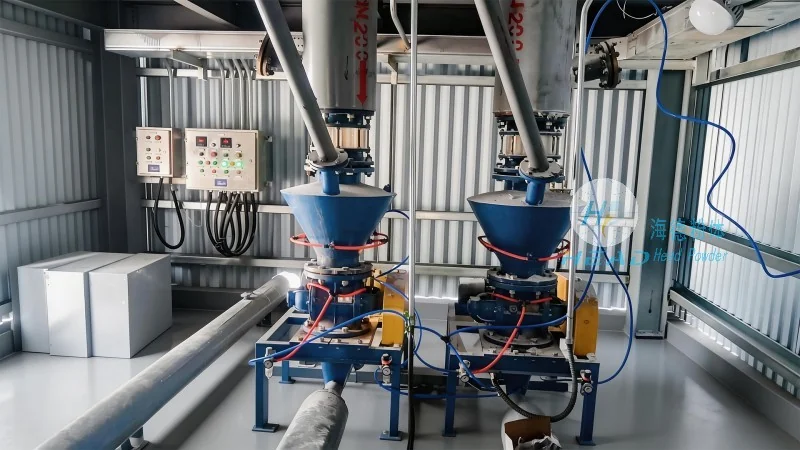
Positive Pressure Conveying: The Pressurized Approach
Positive pressure conveying, also known as pressure conveying, operates by blowing material through a sealed system using a positive pressure source. The system is pressurized above atmospheric pressure, which forces the material to move through the pipeline. This method is often used for transporting dry bulk materials like powders, granules, and fine particles. The primary advantage of positive pressure systems is their ability to handle high material loads and long distances efficiently. They are particularly effective for applications where the material is abrasive or has a high moisture content, as the pressurized environment helps maintain material integrity and prevents caking or clumping.
Shandong HeadPowder Engineering Co., Ltd., a leading manufacturer in the field, specializes in designing and manufacturing high-quality positive pressure conveying systems. Their equipment is engineered to ensure reliable performance, with features such as robust airlocks, efficient dust collection, and durable components that withstand the demands of industrial environments. The company’s expertise in material handling technology allows them to provide tailored solutions that meet the unique needs of their clients, whether for short or long-distance transport.
Negative Pressure Conveying: The Suction Approach
Negative pressure conveying, or vacuum conveying, works by creating a vacuum in the system to draw material into the pipeline. The system is operated below atmospheric pressure, which pulls the material from the source to the destination. This method is commonly used for handling fine powders, sensitive materials, or those that are prone to dust generation. One of the key benefits of negative pressure systems is their ability to handle materials with low bulk density or those that are easily airborne. They are also advantageous for applications where the material needs to be transported from multiple points or where the source is located at a higher elevation than the destination.
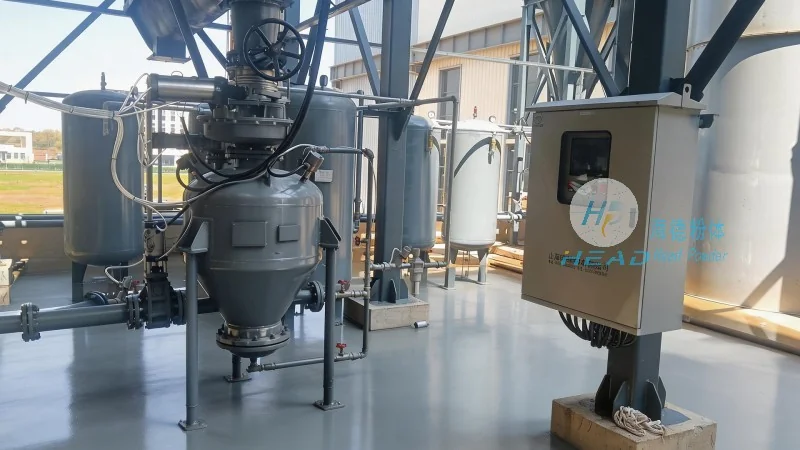
Shandong HeadPowder Engineering Co., Ltd. also offers advanced negative pressure conveying solutions. Their vacuum systems are designed with precision to ensure optimal suction performance, minimizing energy consumption while maintaining efficient material transport. The company’s focus on innovation and quality ensures that their equipment meets the highest standards of performance and reliability. By leveraging their expertise in dust handling technology, they provide systems that are both effective and cost-efficient for various industrial applications.
Key Factors to Consider When Choosing Between Positive and Negative Pressure Conveying
Deciding between positive and negative pressure conveying depends on several critical factors, including the nature of the material, the distance to be covered, the required flow rate, and the overall system layout. Material properties such as particle size, moisture content, and abrasiveness play a significant role in determining the most suitable method. For example, abrasive materials may require a positive pressure system with reinforced components to prevent wear and tear, while fine, sensitive powders might benefit from a negative pressure system to avoid contamination and maintain material quality.
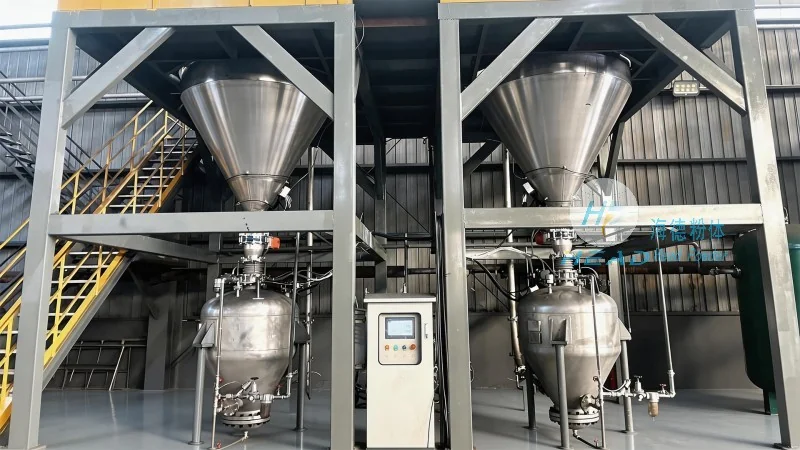
Distance is another important consideration. Positive pressure systems are generally more suitable for longer distances due to their ability to maintain pressure and flow. Negative pressure systems, on the other hand, are better suited for shorter distances or when the material needs to be transported from multiple sources. The required flow rate also impacts the choice, as positive pressure systems can handle higher flow rates more effectively, while negative pressure systems may be more suitable for lower flow rates or when the material is more delicate.
System layout and integration with existing infrastructure are also key factors. Positive pressure systems require a pressurized air source and may need additional components like air compressors or filters. Negative pressure systems, while simpler in some aspects, still require a vacuum pump and proper sealing to prevent air leakage. Shandong HeadPowder Engineering Co., Ltd. can assist in evaluating these factors and designing a system that optimizes performance and efficiency.
Conclusion: Making the Right Choice for Your Dust Conveying Needs
Choosing between positive pressure and negative pressure dust conveying is a critical decision that impacts the success of your material handling operations. By understanding the principles, advantages, and limitations of each method, you can select the most appropriate system for your specific requirements. Shandong HeadPowder Engineering Co., Ltd. offers a range of high-quality conveying solutions that cater to both positive and negative pressure applications, ensuring that you have access to reliable and efficient equipment tailored to your needs. Whether you are dealing with abrasive powders or fine, sensitive materials, their expertise and commitment to quality can help you achieve optimal performance and cost-effectiveness in your dust handling processes.