

Principles and Applications of Paddy Grain Pneumatic Conveying
Understanding the working principles and classification of paddy grain pneumatic conveying systems is crucial for optimizing grain handling processes in agricultural and food processing industries. This article provides an in-depth overview of the technology, its operational mechanisms, and practical applications, tailored for professionals seeking to enhance efficiency and reliability in grain transportation.
Introduction to Paddy Grain Pneumatic Conveying
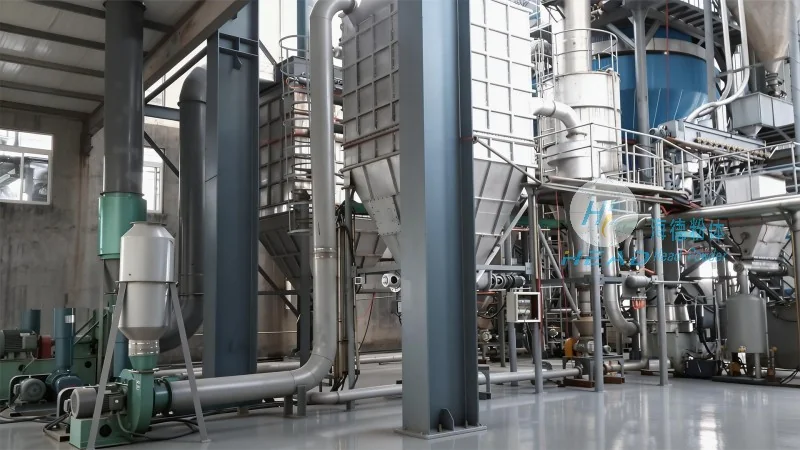
Paddy grain pneumatic conveying is a method of transporting bulk materials, such as paddy or other grains, using a stream of air or gas. Unlike traditional mechanical conveyors, this system relies on the kinetic energy of the air to move the material through a pipeline network. The technology has gained prominence in modern agricultural operations due to its ability to handle delicate grains without causing damage, while also offering flexibility in layout and reduced maintenance compared to traditional systems.
Working Principles of Paddy Grain Pneumatic Conveying
The core principle of pneumatic conveying involves creating a pressure differential between the intake and discharge points. In an aspiration system, air is drawn through a hopper or feeder, lifting the paddy grains into the pipeline. The air then transports the material to the destination, where it is discharged under reduced pressure. Conversely, a pressure system uses a blower or compressor to force air and material through the pipeline, often requiring higher pressure and more robust equipment. The choice between aspiration and pressure systems depends on factors like material characteristics, distance, and system layout.
Classification of Paddy Grain Pneumatic Conveying Systems
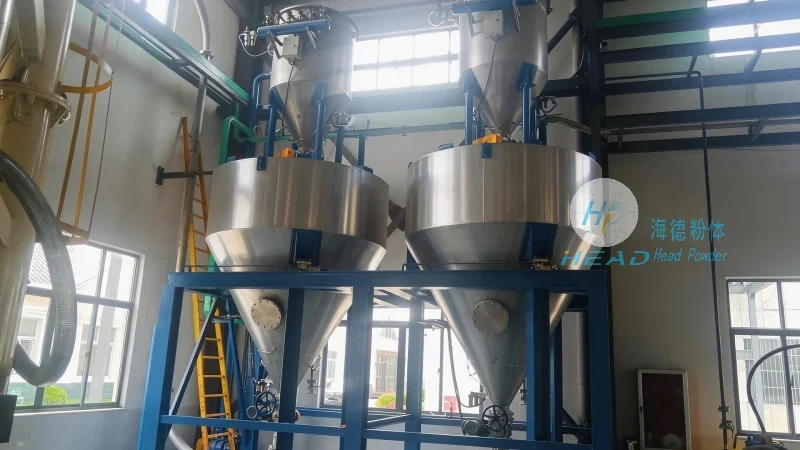
Paddy grain pneumatic conveying systems are typically classified based on the conveying method and pressure differentials. The main categories include:
- Aspiration (Vacuum) Systems: These systems operate under negative pressure, drawing material from the source. They are ideal for short to medium distances and applications where the material is light and requires gentle handling.
- Pressure (Positive Pressure) Systems: Utilizing positive pressure, these systems push material through the pipeline. They are suitable for longer distances and higher material loads, often requiring more powerful blowers or compressors.
- Combined (Two-Stage) Systems: Combining both aspiration and pressure stages, these systems offer flexibility by using vacuum for initial material pickup and pressure for long-distance transport. This approach optimizes energy use and material handling efficiency.
Key Components and Operational Mechanisms
Several critical components enable the smooth operation of paddy grain pneumatic conveying systems. These include:
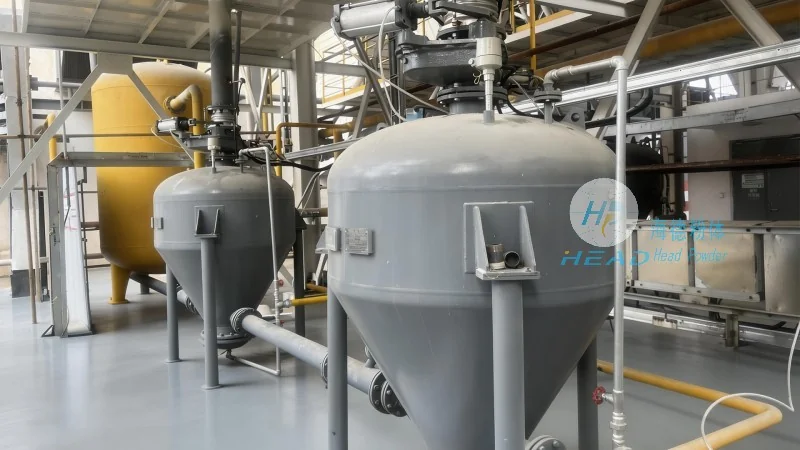
- Feeder and Hopper: The hopper stores the paddy grain and the feeder regulates the material flow into the pipeline, ensuring consistent and controlled discharge.
- Conveying Pipeline: Made of durable materials like stainless steel or plastic, the pipeline transports the air and material. The design and diameter are critical to maintaining system efficiency and preventing blockages.
- Blower or Compressor: The power source that generates the air flow. The choice of equipment depends on the system type (vacuum or pressure) and the required air volume and pressure.
- Receiver and Discharge Unit: The final component where the material is collected. The receiver may include a cyclone separator to remove air from the material stream, ensuring clean discharge.
Applications and Benefits in Grain Handling
Paddy grain pneumatic conveying systems are widely used in various stages of grain processing, from field storage to milling and packaging. The technology offers several advantages over traditional methods:
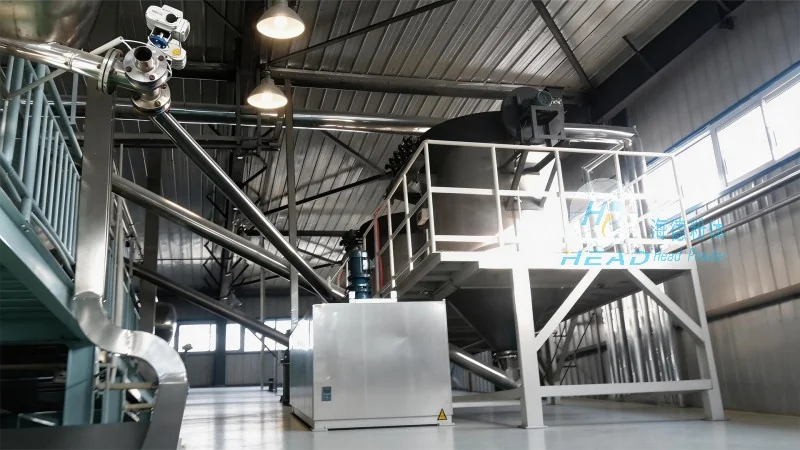
- Efficiency and Speed: Rapid material transport reduces processing time and increases overall productivity.
- Reduced Damage to Grains: Gentle handling minimizes breakage and maintains grain quality, which is vital for market value.
- Space Savings: The compact design of pneumatic systems allows for flexible layout, saving valuable floor space in processing facilities.
- Reduced Maintenance: Fewer moving parts compared to mechanical conveyors result in lower maintenance costs and longer equipment lifespan.
Case Study: Implementation by Shandong HeadPowder Engineering Co., Ltd.
Shandong HeadPowder Engineering Co., Ltd., a leading provider of grain handling solutions, has successfully implemented pneumatic conveying systems for paddy grain processing. Based in China, the company specializes in designing and manufacturing customized systems tailored to client needs. Their expertise in material flow dynamics and system integration ensures optimal performance and reliability. By leveraging advanced technology and robust engineering, HeadPowder has helped clients enhance their grain handling efficiency while maintaining product quality.
Conclusion
Paddy grain pneumatic conveying represents a sophisticated and efficient solution for modern grain handling challenges. By understanding the working principles and classification of these systems, industries can make informed decisions to improve operational efficiency, reduce costs, and maintain high-quality grain products. With continued advancements in technology, pneumatic conveying is poised to remain a cornerstone of grain processing and agricultural logistics.