

Analysis of Potato Starch Pneumatic Conveying Systems
For manufacturers in the potato starch industry, efficient material handling is crucial to maintaining production efficiency and product quality. Pneumatic conveying systems offer a reliable solution for transporting potato starch and related powders. This article provides an in-depth analysis of such systems, focusing on their design, functionality, and application in potato starch processing facilities.
Key Components of a Potato Starch Pneumatic Conveying System
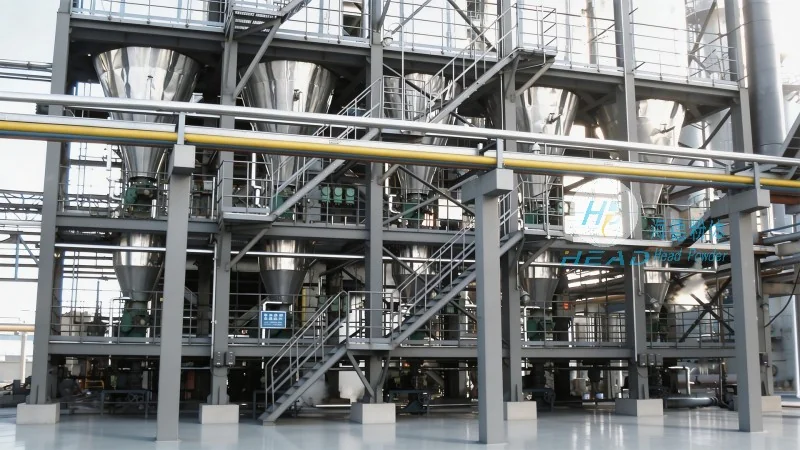
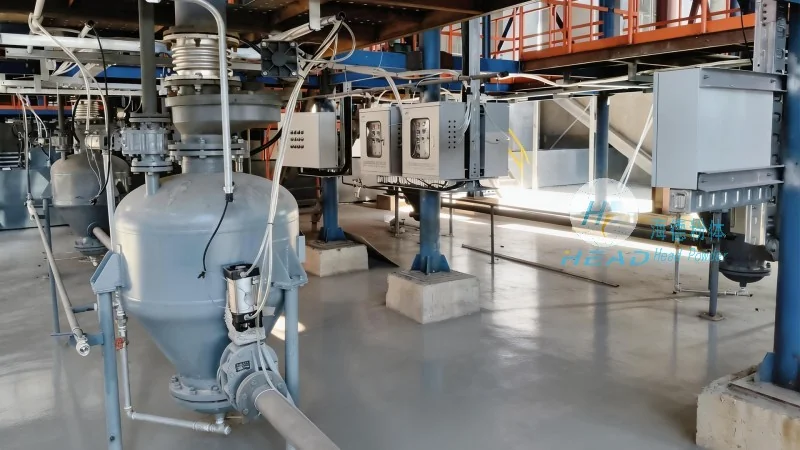
A typical pneumatic conveying system for potato starch consists of several core components that work together to ensure smooth material transport. The system begins with a hopper or storage bin where raw potato starch is stored. From there, the material is fed into a conveyor line using a rotary valve or feeder, which controls the flow rate. The heart of the system is the conveying line, which can be either a positive pressure or negative pressure system. Positive pressure systems use a blower to push air and material through the line, while negative pressure systems use a vacuum to draw material from the source. The line is typically made of stainless steel or other corrosion-resistant materials to handle the acidic and moisture content of potato starch. Additionally, the system includes filters and cyclones to separate the material from the air stream, ensuring that the product remains clean and free from contamination. The system also features pressure relief valves and safety sensors to prevent over-pressurization and ensure safe operation.
Benefits of Using Pneumatic Conveying for Potato Starch
Implementing a pneumatic conveying system in potato starch processing offers numerous advantages. First, it eliminates the need for manual handling, reducing labor costs and minimizing the risk of product contamination. The enclosed system prevents dust and airborne particles from entering the environment, improving workplace safety and compliance with environmental regulations. Additionally, pneumatic conveying systems can handle high volumes of material with minimal maintenance, as they have fewer moving parts compared to traditional belt or bucket elevators. The system's flexibility allows for easy integration with existing production lines, and it can be scaled to accommodate varying production demands. Furthermore, the enclosed design helps maintain consistent moisture levels in the potato starch, which is critical for downstream processing steps such as drying or pelletizing. Overall, the use of pneumatic conveying enhances operational efficiency, reduces downtime, and improves the overall quality of the final product.
Customization and Scalability for Different Production Needs
Shandong HeadPowder Engineering Co., Ltd. specializes in designing and manufacturing customized pneumatic conveying systems tailored to the specific needs of potato starch manufacturers. The company's engineers work closely with clients to understand their production volumes, material characteristics, and operational requirements. Based on this information, they design systems that optimize material flow, minimize energy consumption, and ensure long-term reliability. The systems can be scaled from small-scale operations handling a few tons per hour to large industrial plants processing hundreds of tons daily. Customization options include different conveying line lengths, material feed rates, and air pressure levels. The company also offers options for integrating additional features such as dust collection systems, material drying units, or blending equipment, ensuring that the system meets all the client's processing needs. By partnering with HeadPowder, potato starch producers can benefit from tailored solutions that enhance their production capabilities and reduce operational costs.
Installation and Maintenance Considerations
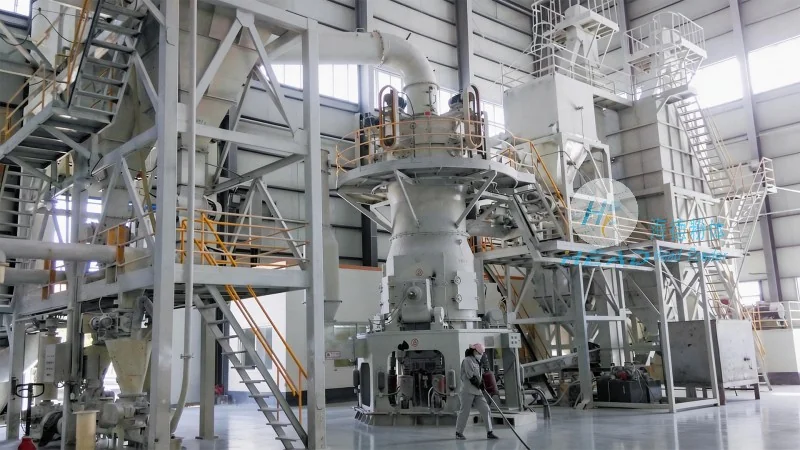
Proper installation and regular maintenance are essential to ensure the longevity and efficiency of a potato starch pneumatic conveying system. During installation, the system must be aligned correctly to prevent air leaks and ensure smooth material flow. All components, including hoppers, conveyors, and filters, should be properly secured and leveled. The system should also be tested for air pressure and flow rates to verify that it meets the design specifications. Regular maintenance involves checking for wear and tear on components such as rotary valves, filters, and blower motors. Filters should be cleaned or replaced regularly to prevent clogging, which can reduce system efficiency and increase energy consumption. Blower motors should be inspected for overheating or unusual noise, and lubricated as needed. Additionally, the system should be inspected for any signs of corrosion or damage, especially in areas exposed to moisture or acidic conditions. By following a regular maintenance schedule, potato starch manufacturers can minimize downtime, extend the life of their equipment, and maintain consistent product quality.
Conclusion and Company Overview
Pneumatic conveying systems are a vital component of modern potato starch processing facilities, offering efficient, clean, and reliable material handling solutions. Shandong HeadPowder Engineering Co., Ltd. provides expert design, manufacturing, and installation services for customized pneumatic conveying systems tailored to the unique needs of potato starch producers. With a focus on quality, efficiency, and customer satisfaction, HeadPowder helps manufacturers optimize their production processes, reduce costs, and improve product quality. Based in Shandong, China, the company serves clients globally, delivering solutions that meet the highest standards of industrial performance and safety. By choosing HeadPowder, potato starch manufacturers can enhance their operational capabilities and stay competitive in the market.