

Working Principle and Features of Headpowder's Polystyrene Material Handling Equipment
Headpowder, a leading manufacturer based in Shandong, China, specializes in providing efficient and reliable equipment for handling polystyrene materials. This article explores the working principles and key features of their material handling systems, designed to meet the demands of modern industrial applications.
Working Principle of Polystyrene Material Handling Equipment
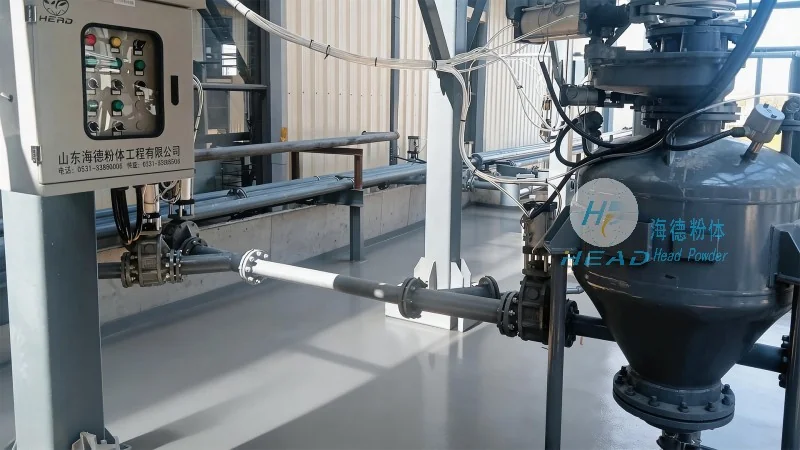
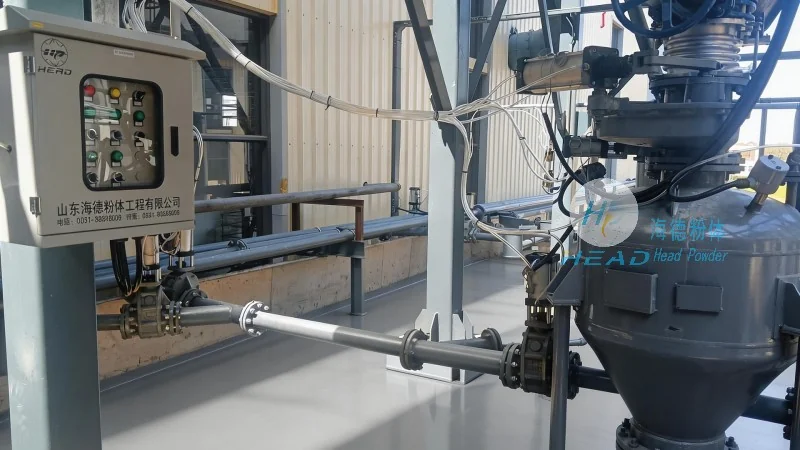
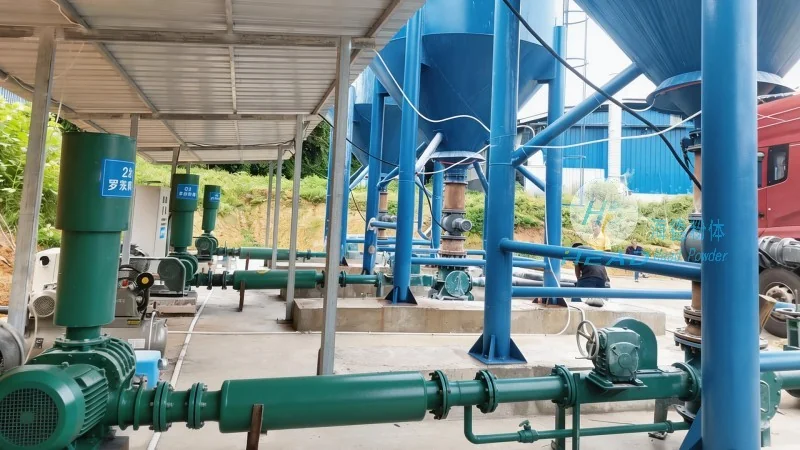
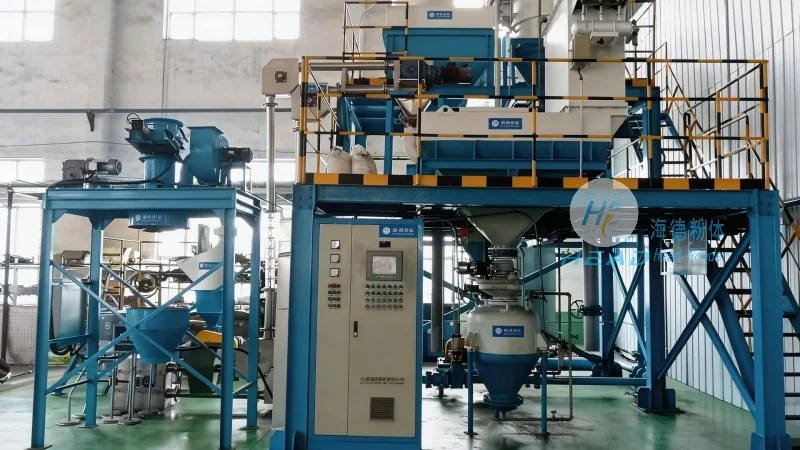
The equipment operates on a systematic process that ensures smooth material transfer from the source to the destination. Typically, the system begins with the loading of polystyrene pellets or granules into a hopper. From there, an electric motor drives a screw or conveyor mechanism, which moves the material through the pipeline. The screw design, often with flights, creates a positive displacement that propels the polystyrene forward. This mechanism is crucial for maintaining consistent flow rates and preventing material backflow. The system also includes control valves and sensors that monitor pressure and flow, ensuring optimal performance and safety. Additionally, the equipment may incorporate heating elements to maintain the material's temperature, which is essential for polystyrene's processing characteristics, such as reducing viscosity and improving flowability.
Key Features of Headpowder's Polystyrene Material Handling Equipment
Headpowder's equipment is engineered with several distinctive features that enhance its functionality and reliability. One of the primary features is the robust construction, utilizing high-quality materials like stainless steel and corrosion-resistant alloys to withstand the chemical and thermal properties of polystyrene. This ensures durability and long-term performance, even in harsh industrial environments. Another notable feature is the adjustable speed control, allowing operators to modify the conveyor speed based on the material's characteristics and processing requirements. This flexibility is vital for maintaining consistent product quality and preventing material degradation. The system also includes integrated cleaning mechanisms, such as reverse flow or purge functions, which facilitate easy maintenance and reduce downtime. Furthermore, the equipment is equipped with safety features, including overload protection and emergency stop buttons, to safeguard operators and equipment from potential hazards. The compact design of the equipment makes it suitable for installation in limited spaces, while the modular components allow for easy integration with existing production lines.