HeadPowder, a leading manufacturer in the field of material handling solutions, specializes in the design, production, and supply of advanced pneumatic conveying systems. This article provides an overview of the sanding powder pneumatic conveying line, focusing on its structural components and operational principles. The company, based in Shandong, China, has established itself as a trusted partner for industries requiring efficient and reliable powder transport solutions.
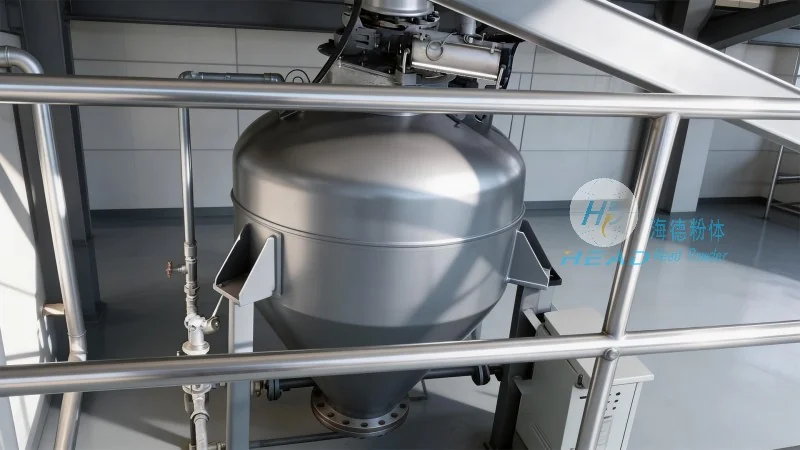
Company Profile and Background
HeadPowder Engineering Co., Ltd. is a professional enterprise dedicated to the research, development, and manufacturing of pneumatic conveying equipment. With a strong commitment to innovation and quality, the company has built a reputation for delivering high-performance solutions tailored to the specific needs of various industries. HeadPowder's headquarters is located in Shandong, China, where the company leverages local resources and expertise to support its global clientele. The company's mission is to provide efficient, safe, and cost-effective material handling systems that enhance operational productivity and reduce downtime.
Understanding Pneumatic Conveying Systems for Sanding Powders
Sanding powder, a fine abrasive material commonly used in surface finishing processes, requires specialized handling due to its particle size and flow characteristics. Traditional methods of transporting such powders often involve manual labor or mechanical conveyors, which can lead to dust contamination, material loss, and operational inefficiencies. Pneumatic conveying systems offer a superior alternative by utilizing air pressure to transport powders in a closed system, ensuring minimal environmental impact and consistent material quality. The sanding powder pneumatic conveying line is specifically engineered to handle these fine particles with precision and reliability.
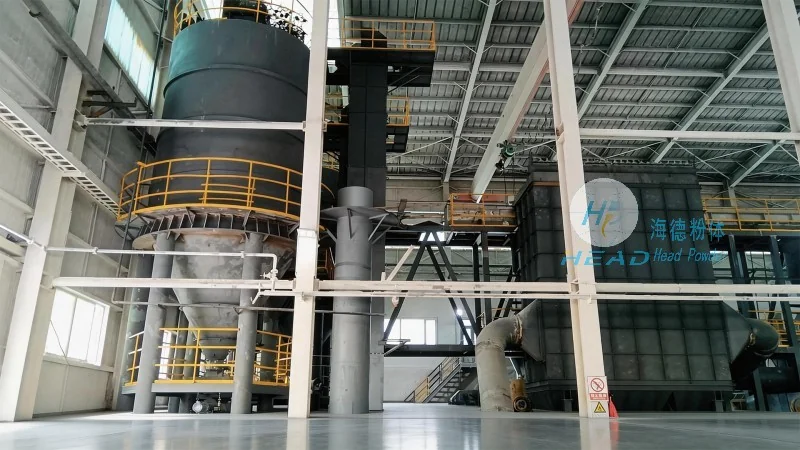
Key Structural Components of the Sanding Powder Pneumatic Conveying Line
The sanding powder pneumatic conveying line consists of several critical components that work in tandem to ensure efficient material transport. The primary components include the hopper, which serves as the storage and feeding unit, the air compressor or blower that generates the necessary air pressure, the conveying pipe network that transports the powder, and the control system that regulates the flow and pressure. Each component is designed to handle the unique properties of sanding powder, such as its fine particle size and potential for static electricity. The hopper is typically equipped with a rotary valve or feeder to control the discharge rate, preventing clogging and ensuring a steady flow of material. The air compressor is chosen based on the required air volume and pressure, with options ranging from rotary lobe blowers to centrifugal compressors. The conveying pipe is made of materials resistant to abrasion and corrosion, such as stainless steel or polyethylene, to withstand the abrasive nature of sanding powder. The control system incorporates sensors and valves to monitor and adjust the air pressure and flow rate, ensuring optimal performance and preventing system failures.
Operational Principles and Working Mechanism
The operation of the sanding powder pneumatic conveying line begins with the material being fed into the hopper from a storage silo or bagging system. The rotary valve or feeder then regulates the flow of sanding powder into the conveying pipe. Simultaneously, the air compressor generates a high-pressure air stream that is introduced into the pipe at the inlet. As the air flows through the pipe, it entrains the sanding powder particles, creating a slurry-like mixture known as a "pneumatic stream." This stream is then transported through the pipe network to the destination point, such as a processing unit or storage silo. The control system continuously monitors the pressure and flow rate, adjusting the air supply as needed to maintain a stable conveying process. At the destination, the sanding powder is separated from the air using a cyclone separator or filter, and the air is either recirculated or discharged. The separated powder is then collected for further use, while the air is cleaned to remove any residual particles before release.
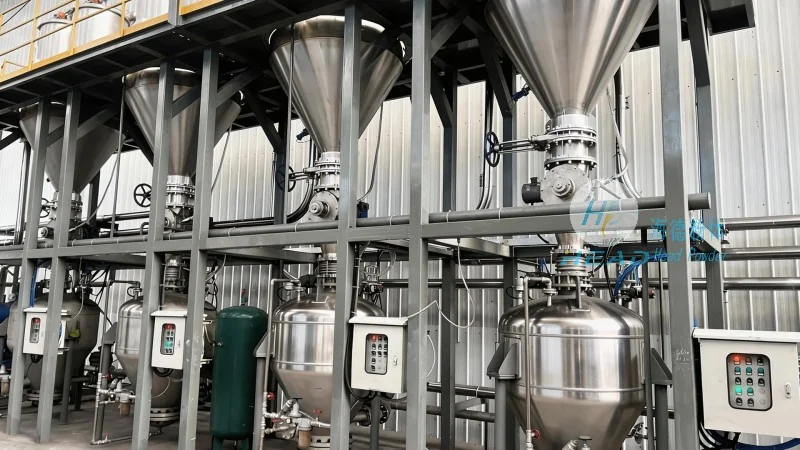
Advantages and Applications of the Sanding Powder Pneumatic Conveying Line
The sanding powder pneumatic conveying line offers several advantages over traditional transport methods. Firstly, it provides a dust-free and clean operation, reducing the risk of respiratory hazards and environmental contamination. Secondly, it ensures minimal material loss, as the closed system prevents spillage and leakage. Thirdly, the system is highly efficient, with lower energy consumption compared to mechanical conveyors. Additionally, the pneumatic conveying line is flexible and can be easily integrated into existing production lines, allowing for seamless material transport between different processing stages. The applications of this system are widespread, including the automotive industry for finishing operations, the metalworking industry for surface preparation, and the woodworking industry for sanding and polishing. In each of these applications, the sanding powder pneumatic conveying line enhances productivity and maintains consistent material quality, making it an essential component of modern manufacturing processes.
Conclusion and Company Commitment
HeadPowder Engineering Co., Ltd. continues to innovate and improve its sanding powder pneumatic conveying lines to meet the evolving needs of its clients. By leveraging advanced engineering and quality materials, the company ensures that its systems are reliable, durable, and efficient. The sanding powder pneumatic conveying line represents a significant advancement in material handling technology, offering industries a cost-effective and environmentally friendly solution for transporting fine abrasive powders. With a strong presence in Shandong, China, and a commitment to customer satisfaction, HeadPowder remains a leading provider of pneumatic conveying solutions, helping businesses enhance their operational efficiency and achieve their production goals.




