PP (Polypropylene) pneumatic conveying systems are critical equipment in various industrial sectors, designed to transport bulk materials through a pipeline using air or gas as the conveying medium. These systems offer efficient, dust-free, and flexible material handling solutions, making them a preferred choice for industries dealing with powders and granules. Manufactured by Shandong HeadPowder Engineering Co., Ltd., a leading provider of industrial material handling solutions, these systems are engineered to meet the specific needs of polypropylene processing and other similar applications.
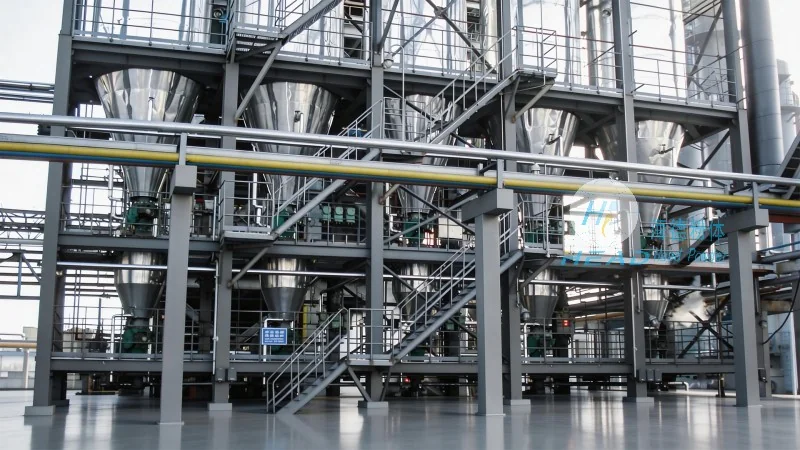
Overview of PP Pneumatic Conveying Systems
PP pneumatic conveying systems are engineered to move bulk materials such as polypropylene pellets, powders, or granules from one location to another within a processing facility. The core of these systems is the ability to transport materials through a sealed pipeline using air pressure or vacuum. This method eliminates the need for mechanical components like belts or buckets, reducing maintenance and operational costs. The system typically consists of a feeding unit, a conveying line, a separation unit, and a discharge unit, all working in tandem to ensure efficient material transport.
Key Components and Structural Design
The structural design of a PP pneumatic conveying system is tailored to handle the specific properties of polypropylene and other similar materials. The main components include:
- Feeding Unit: This component is responsible for introducing the material into the conveying line. It may include a hopper, a rotary valve, or a feeder that controls the flow rate of the material. The design ensures that the material is fed uniformly and without blockages, which is crucial for maintaining system efficiency.
- Conveying Line: The pipeline where the material is transported. It is usually made of durable materials like stainless steel or high-density polyethylene (HDPE) to withstand the pressure and abrasion from the conveyed material. The line is sealed to prevent dust emissions and maintain material integrity.
- Separation Unit: This unit separates the conveyed material from the air or gas. It may include a cyclone separator, a filter, or a silo. The separation process ensures that the material is collected efficiently and that the air is cleaned before being discharged or recirculated.
- Discharge Unit: The final component where the material is released from the system. It may include a rotary valve, a gate valve, or a hopper that directs the material to its destination. The design ensures that the material is discharged without spillage or contamination.
Each component is designed with the material's characteristics in mind, such as its density, flowability, and abrasiveness. The system's layout is optimized to minimize pressure drops and energy consumption, ensuring that the conveying process is both efficient and cost-effective.
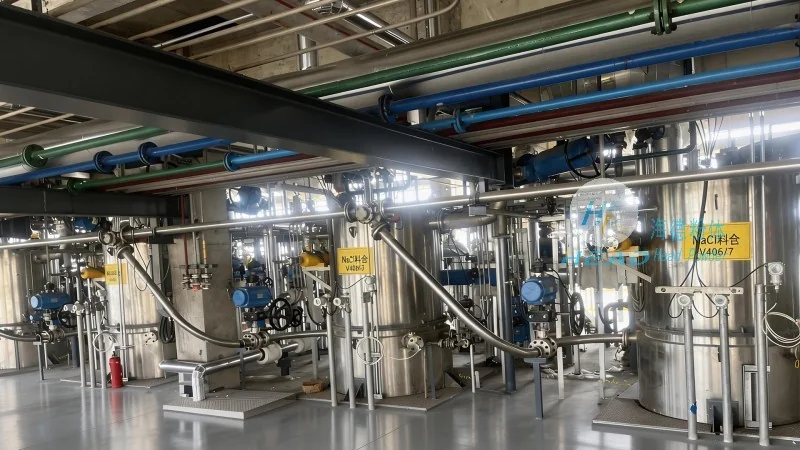
Working Principles of PP Pneumatic Conveying
The operation of a PP pneumatic conveying system relies on the principles of fluid dynamics and material transport. There are two main types of pneumatic conveying systems: pressure and vacuum systems.
Pressure Systems: In a pressure system, compressed air is introduced into the conveying line at the discharge end, pushing the material forward. The air pressure is maintained at a level sufficient to overcome the resistance in the line and the material's weight. This type of system is suitable for short to medium distances and for materials that are not too abrasive.
Vacuum Systems: In a vacuum system, a vacuum is created at the discharge end, drawing the material into the line. The vacuum is generated by a fan or a blower, and the air is drawn through the material, carrying it along the pipeline. This type of system is ideal for long distances and for materials that are more sensitive to pressure or abrasion.
Both systems operate by creating a flow of air or gas that entrains the material particles, allowing them to be transported through the pipeline. The speed and pressure of the air are carefully controlled to ensure that the material is conveyed without degradation or damage.
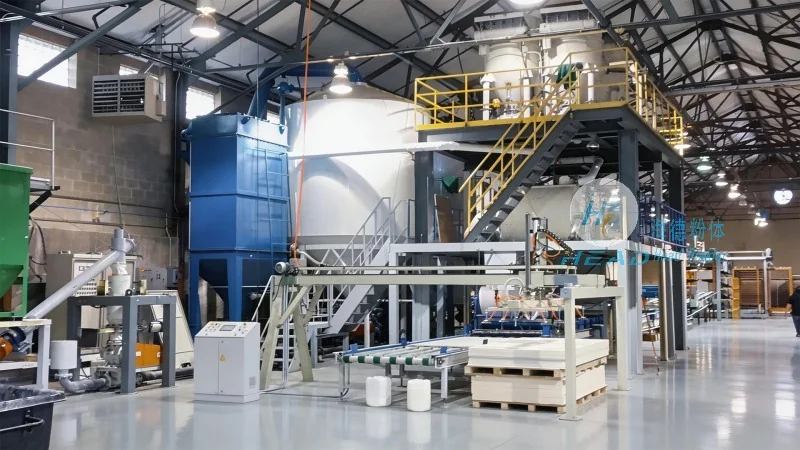
Applications and Benefits of PP Pneumatic Conveying Systems
PP pneumatic conveying systems are widely used in industries such as plastics manufacturing, food processing, pharmaceuticals, and chemical processing. They are particularly useful for transporting polypropylene pellets, which are lightweight and can be prone to dust generation if not handled properly.
The benefits of using PP pneumatic conveying systems include:
- Efficiency: The systems are highly efficient in terms of material transport, with minimal energy consumption and low maintenance requirements.
- Dust-Free Operation: The sealed pipeline design prevents dust emissions, improving workplace safety and compliance with environmental regulations.
- Flexibility: The systems can be easily reconfigured to accommodate changes in material flow or processing requirements.
- Cost-Effective: By eliminating the need for mechanical components and reducing labor costs, the systems offer long-term cost savings.
Conclusion
PP pneumatic conveying systems are a reliable and efficient solution for transporting polypropylene and other bulk materials. The structural design and operational principles of these systems are optimized to handle the specific properties of the material, ensuring high performance and low maintenance. As industries continue to seek more efficient and sustainable material handling solutions, PP pneumatic conveying systems remain a key technology in modern manufacturing processes. Manufactured by Shandong HeadPowder Engineering Co., Ltd., these systems provide a robust and cost-effective solution for businesses in China and beyond.




