High-pressure pneumatic conveying systems represent a sophisticated method for transporting bulk materials through a pipeline using pressurized air or gas. This technology is widely adopted in various industrial sectors due to its efficiency, flexibility, and ability to handle a wide range of materials. The following overview provides insights into the fundamental structure and operational principles of such systems, highlighting key components and their roles in the conveying process.
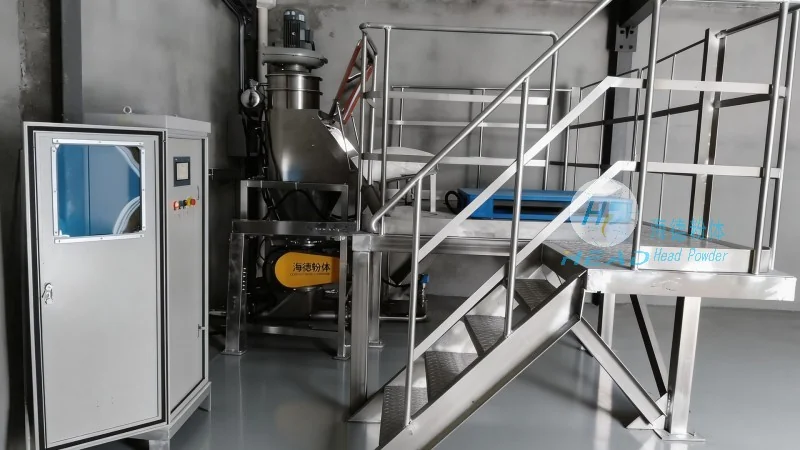
Key Components of High-Pressure Pneumatic Conveying Systems
The core of high-pressure pneumatic conveying systems consists of several critical components that collaborate to facilitate material transport. These primary elements include the material feed system, the conveying pipeline, the air or gas supply unit, and the control mechanisms. Each component is engineered to ensure optimal performance and reliability.
The material feed system is responsible for introducing bulk materials into the conveying pipeline. This can be achieved through various mechanisms such as rotary valves, screw feeders, or pressure vessels. These devices ensure a consistent and controlled flow of material, preventing blockages and maintaining system efficiency. The choice of feed equipment depends on the characteristics of the material being conveyed, including its particle size, density, and flowability.
The conveying pipeline serves as the main channel for transporting the material. Typically made of durable materials like stainless steel or PVC, the pipeline is designed to withstand the high pressures involved in the process. The length and diameter of the pipeline are critical factors that influence the system's performance, as they directly impact the pressure drop and material velocity. Proper pipeline design is essential to minimize energy consumption and maximize conveying efficiency.
The air or gas supply unit provides the necessary pressure to move the material through the pipeline. This unit can be a blower, a compressor, or a combination of both, depending on the system requirements. The pressure level is a key parameter, as it determines the conveying capacity and the distance over which materials can be transported. High-pressure systems typically operate at pressures ranging from 0.5 to 10 bar, depending on the application and material properties.
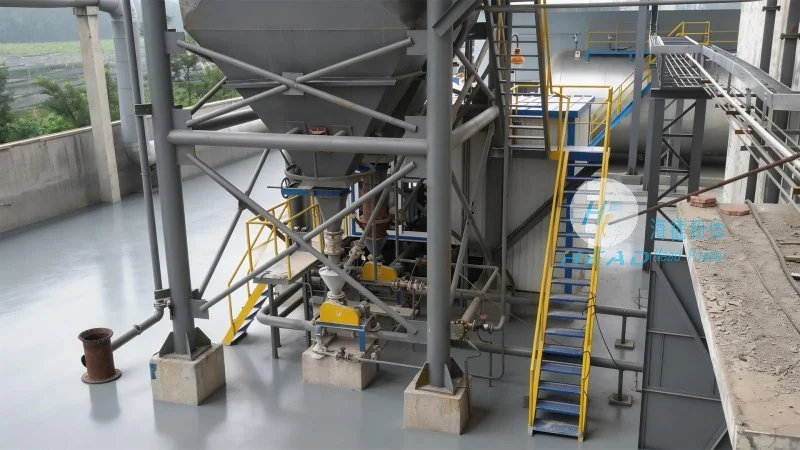
The control mechanisms are integral to the system's operation, allowing for precise regulation of the conveying process. These include pressure sensors, flow meters, and control valves that monitor and adjust the air or gas flow, material feed rate, and system pressure. Advanced control systems may also incorporate feedback loops to optimize performance and adapt to changing conditions, ensuring consistent and reliable operation.
Working Principles of High-Pressure Pneumatic Conveying
The fundamental principle behind high-pressure pneumatic conveying is the use of pressurized air or gas to entrain and transport bulk materials. When the material is introduced into the pipeline, it is suspended in the moving air stream, which carries it to the destination point. The pressure difference between the inlet and outlet of the pipeline creates the driving force for material movement. The velocity of the air stream is crucial, as it must be sufficient to maintain the material in suspension and overcome any resistance within the pipeline.
There are two main types of high-pressure pneumatic conveying systems: positive displacement and pressure dilute phase systems. Positive displacement systems use a pump to deliver a fixed volume of air or gas, ensuring a consistent flow rate regardless of the pressure drop. This type is suitable for conveying materials over long distances or through complex pipelines. Pressure dilute phase systems, on the other hand, rely on a continuous flow of air or gas from a compressor, with the pressure maintained at a constant level. These systems are commonly used for shorter conveying distances and for materials with lower flowability.
The conveying process begins when the material is fed into the pipeline at the inlet. The air or gas is then introduced, creating a high-velocity stream that entrains the material particles. As the material travels through the pipeline, it experiences a series of pressure drops and velocity changes, which can affect its behavior. For example, in horizontal sections, the material may settle at the bottom of the pipe, while in vertical sections, it may be suspended due to the upward velocity of the air stream. Proper design of the pipeline, including the use of bends, elbows, and expansion joints, is essential to minimize material degradation and ensure smooth flow.
The system terminates at the discharge point, where the material is collected and the air is either vented to the atmosphere or recycled back into the system. The discharge equipment, such as rotary valves or airlocks, ensures that the material is released in a controlled manner, preventing spillage and maintaining system cleanliness. The air used in the conveying process may be filtered to remove dust or other contaminants, which is important for maintaining the quality of the conveyed material and protecting the equipment from wear and tear.
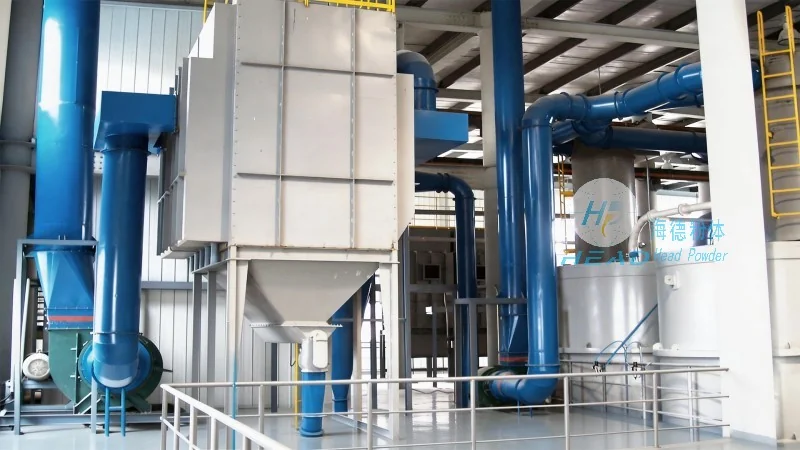
Applications and Benefits of High-Pressure Pneumatic Conveying
High-pressure pneumatic conveying systems are employed in a wide range of industrial applications, including food processing, pharmaceuticals, chemicals, and mining. These systems offer several advantages over traditional methods such as belt conveyors or bucket elevators. One of the primary benefits is the ability to transport materials in a closed system, which helps to maintain product quality, prevent contamination, and reduce dust emissions. This is particularly important for materials that are sensitive to moisture, temperature, or air exposure.
Another significant advantage is the flexibility of high-pressure systems. They can be easily integrated into existing production lines and adapted to handle different materials or conveying distances. The ability to transport materials over long distances without the need for intermediate storage or transfer points makes them ideal for large-scale operations. Additionally, these systems are relatively compact and can be installed in confined spaces, making them suitable for facilities with limited floor space.
The efficiency of high-pressure pneumatic conveying is also a key factor in its widespread adoption. By using pressurized air to move materials, the system minimizes the need for mechanical components such as rollers or chains, which can be prone to wear and maintenance. The energy consumption is typically lower compared to other conveying methods, especially for short to medium distances. Furthermore, the system can be designed to operate at high speeds, reducing the overall conveying time and increasing production throughput.
Despite the benefits, high-pressure pneumatic conveying systems require careful design and maintenance to ensure optimal performance. Factors such as material properties, pipeline length, and operating pressure must be considered during the system design phase. Regular maintenance, including cleaning of filters, checking for leaks, and inspecting components for wear, is essential to prevent system failures and maintain efficiency. Proper training of operators and adherence to safety protocols are also critical to ensure the safe and reliable operation of the system.




