HeadPowder, a leading engineering company based in Shandong, China, specializes in the design, manufacturing, and installation of advanced pneumatic conveying systems. Our expertise lies in providing efficient solutions for transporting dry powders, including calcium oxide, which is widely used in various industrial applications such as construction, chemical processing, and environmental remediation.
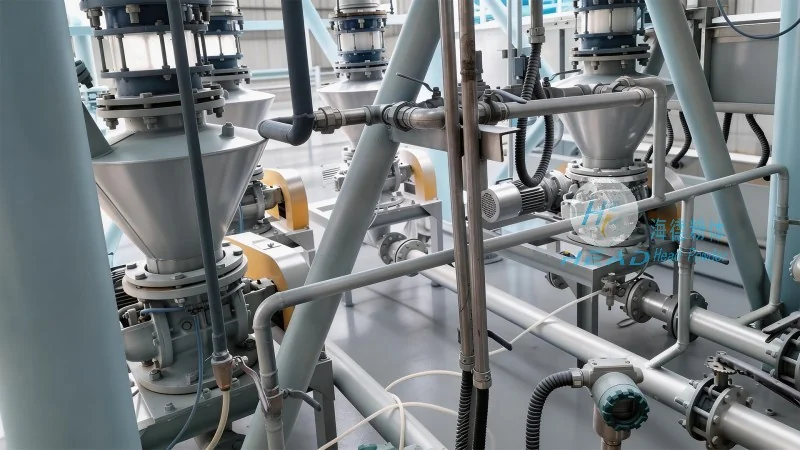
Introduction to Calcium Oxide Dry Powder Pneumatic Conveyors
Calcium oxide, commonly known as quicklime, is a highly reactive alkaline compound that requires specialized handling due to its dustiness and potential to cause skin and eye irritation. Traditional methods of transporting calcium oxide, such as bucket elevators or belt conveyors, often suffer from material degradation, equipment wear, and environmental contamination. To address these challenges, pneumatic conveying systems have emerged as a superior alternative, offering a dust-free, low-maintenance, and highly efficient means of transporting dry powders over long distances.
Key Features of the Pneumatic Conveyor System
The pneumatic conveyor system designed by HeadPowder for calcium oxide transport is engineered to meet the stringent requirements of modern industrial operations. Key features include:
- High-Pressure Air Supply: The system utilizes a robust air compressor to generate the necessary pressure to move the powder through the pipeline. This ensures consistent and reliable material transport, even for fine or cohesive powders like calcium oxide.
- Specialized Material Handling Components: Components such as flexible hoses, rotary air locks, and dust collectors are made from materials resistant to corrosion and chemical attack, ensuring long-term durability and safety.
- Modular Design: The system can be customized to fit various plant layouts and production scales, allowing for easy expansion or integration with existing infrastructure.
- Energy Efficiency: Advanced control systems optimize air usage, reducing operational costs while maintaining performance.
Operation Process of the Pneumatic Conveyor
The operation of the calcium oxide dry powder pneumatic conveyor involves several key steps, each designed to ensure efficient and safe material transport. The process begins with the loading of calcium oxide into a hopper or silo. From there, the powder is drawn into the conveying line by the vacuum or pressure created by the air compressor. The air and powder mixture travels through the pipeline, passing through components like the rotary air lock, which separates the powder from the air and prevents backflow.
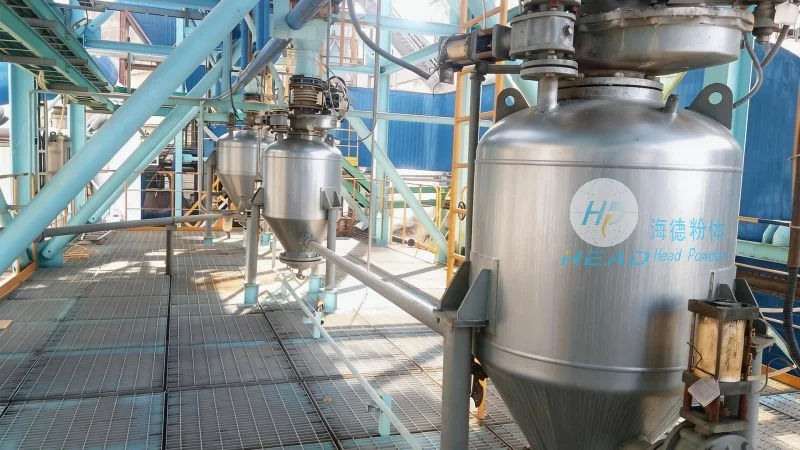
As the mixture reaches the discharge point, the air is separated from the powder using a cyclone or filter system. The purified air is then recirculated back to the compressor, while the calcium oxide is collected in a receiving container. This closed-loop system minimizes dust emissions and ensures compliance with environmental regulations.
Working Principle of the Pneumatic Conveyor
The working principle of the pneumatic conveyor relies on the fundamental physics of fluid dynamics and particle transport. The system operates by creating a pressure differential between the inlet and outlet of the conveying line. In a pressure system, air is forced through the pipeline at high velocity, carrying the calcium oxide particles along with it. The velocity of the air must be sufficient to overcome the gravitational and frictional forces acting on the powder particles, ensuring stable suspension and transport.
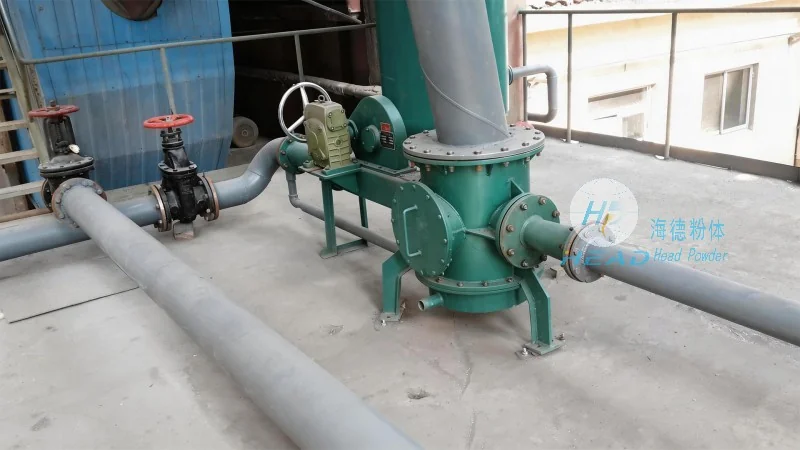
In a vacuum system, the air compressor creates a low-pressure environment at the discharge end, drawing the powder and air mixture through the pipeline. The vacuum system is particularly effective for short-distance or low-volume applications, as it requires less energy compared to a pressure system. The choice between pressure and vacuum depends on factors such as the distance to be covered, the volume of material to be transported, and the specific characteristics of the calcium oxide powder.
Advantages of Using a Pneumatic Conveyor for Calcium Oxide
Implementing a pneumatic conveyor system for calcium oxide transport offers numerous advantages over traditional methods. These include:
- Dust-Free Operation: The closed-loop system prevents dust from escaping into the environment, reducing health hazards for workers and minimizing the risk of fire or explosion.
- Reduced Material Loss: The efficient separation of air and powder ensures that minimal material is lost during transport, improving overall material yield and reducing costs.
- Low Maintenance: The absence of moving parts in the conveying line (except for the air lock and compressor) reduces wear and tear, leading to lower maintenance requirements and longer equipment lifespan.
- Flexibility in Layout: The modular design allows for easy reconfiguration of the system to accommodate changes in production processes or plant expansions.
- Enhanced Safety: The enclosed system eliminates the need for manual handling of powders, reducing the risk of accidents and improving workplace safety.
Conclusion
HeadPowder's calcium oxide dry powder pneumatic conveyor is a state-of-the-art solution that addresses the unique challenges of transporting this reactive and dusty material. By leveraging advanced engineering and materials, the system ensures efficient, safe, and environmentally friendly operation. For industries seeking to improve their material handling processes, this pneumatic conveyor represents a reliable and cost-effective investment.




