Shandong HeadPowder Engineering Co., Ltd., commonly known as headpowder, specializes in the design, manufacturing, and installation of advanced pneumatic conveying systems for various industrial applications. This article provides a detailed overview of the operation process and working principles of PVC material pneumatic conveying lines, highlighting the key components, operational steps, and technical aspects that ensure efficient and reliable material handling.
Key Components of PVC Material Pneumatic Conveying Lines
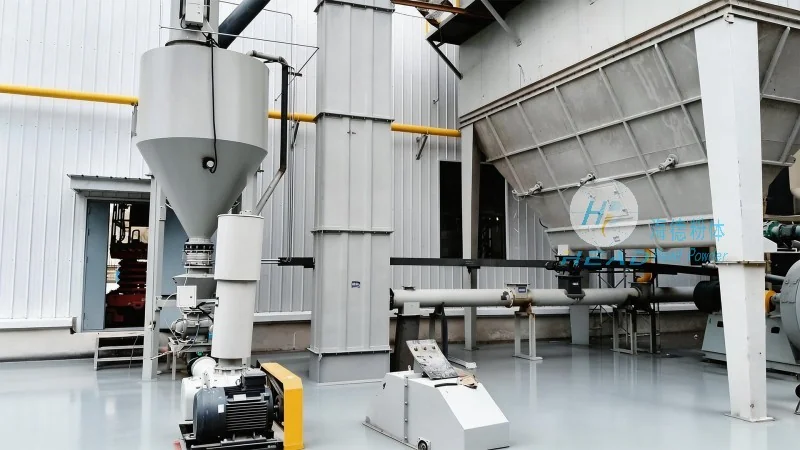
The PVC material pneumatic conveying system typically consists of several essential components that work in tandem to transport materials. These include the material feed hopper, the air supply system (such as a blower or compressor), the conveying pipeline, the control valves, and the discharge equipment. Each component plays a critical role in the overall performance and efficiency of the system. The material feed hopper is designed to store and meter the PVC material, ensuring a consistent flow rate. The air supply system generates the necessary pressure or vacuum to move the material through the pipeline. The conveying pipeline, often made of durable materials like stainless steel or special plastics, transports the material and air mixture. Control valves regulate the air flow and pressure, allowing for precise control over the conveying process. Finally, the discharge equipment, such as a receiver or silo, collects the material at the destination point.
Operation Process of PVC Material Pneumatic Conveying Lines
The operation process of a PVC material pneumatic conveying line involves several sequential steps that ensure smooth and continuous material transport. First, the PVC material is fed into the material hopper from a storage silo or batch container. The hopper is equipped with a feeder, such as a rotary valve or screw feeder, which controls the material flow rate. Simultaneously, the air supply system is activated, generating the required air pressure or vacuum. The air is then introduced into the conveying pipeline, creating a flow that draws the PVC material particles into the air stream. As the material and air mixture travels through the pipeline, it is transported to the discharge point. The control valves may be adjusted to maintain optimal pressure and flow rates, preventing blockages or excessive pressure drops. At the destination, the material is collected in a receiver or silo, and the air is either filtered and recycled or vented to the atmosphere. The entire process is typically automated, with sensors and control systems monitoring key parameters like pressure, flow rate, and material level to ensure safe and efficient operation.
Working Principle of PVC Material Pneumatic Conveying Lines
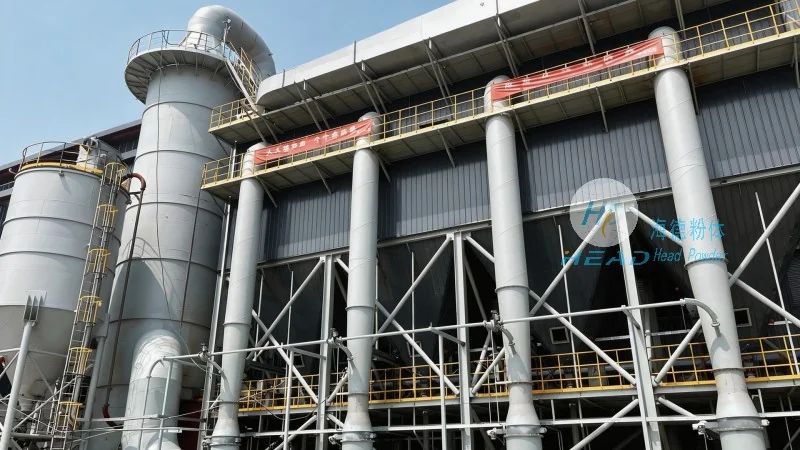
The working principle of PVC material pneumatic conveying lines is based on the fundamental concept of fluidization and suspension of solid particles in a gas stream. When air is introduced into the conveying pipeline at a sufficient velocity, it creates a turbulent flow that lifts and transports the PVC particles. This process is often referred to as pneumatic conveying, where the material is suspended in the air and moved through the system. The key to efficient operation is maintaining the correct air velocity and pressure to ensure that the material remains in suspension without settling or causing blockages. The system may operate in either positive pressure or negative pressure (vacuum) mode, depending on the application and layout. In positive pressure systems, air is blown into the pipeline, pushing the material forward. In negative pressure systems, air is drawn out of the pipeline, creating a vacuum that pulls the material. The choice of operating mode depends on factors such as the distance to be covered, the material characteristics, and the system layout. The working principle also involves the use of various conveying techniques, such as dilute phase, dense phase, or pressure dilute phase, each with its own advantages and applications. Dilute phase systems are suitable for short distances and low material loads, while dense phase systems are used for longer distances and higher material loads, providing better control and reduced wear on the equipment.
Advantages and Applications of PVC Material Pneumatic Conveying Lines
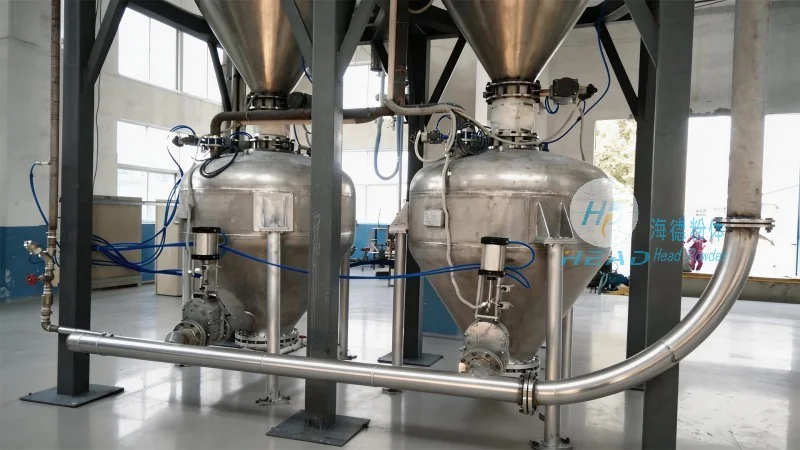
PVC material pneumatic conveying lines offer several advantages over traditional mechanical conveying methods, making them ideal for handling PVC materials in various industrial settings. These advantages include high efficiency, as the system can transport materials over long distances with minimal energy consumption. The process is also highly flexible, allowing for easy integration with existing production lines and modifications to accommodate different material types or flow rates. Additionally, pneumatic conveying systems are less prone to material degradation compared to mechanical systems, as there is no direct contact between the material and the conveying equipment. This is particularly important for PVC materials, which can be sensitive to heat or mechanical stress. The systems are also relatively compact and can be installed in confined spaces, making them suitable for applications where space is limited. Furthermore, the operation is automated, reducing the need for manual labor and improving safety. PVC material pneumatic conveying lines are widely used in industries such as plastics manufacturing, chemical processing, food processing, and pharmaceuticals, where the handling of PVC materials requires precision, efficiency, and reliability.
Maintenance and Troubleshooting for PVC Material Pneumatic Conveying Lines
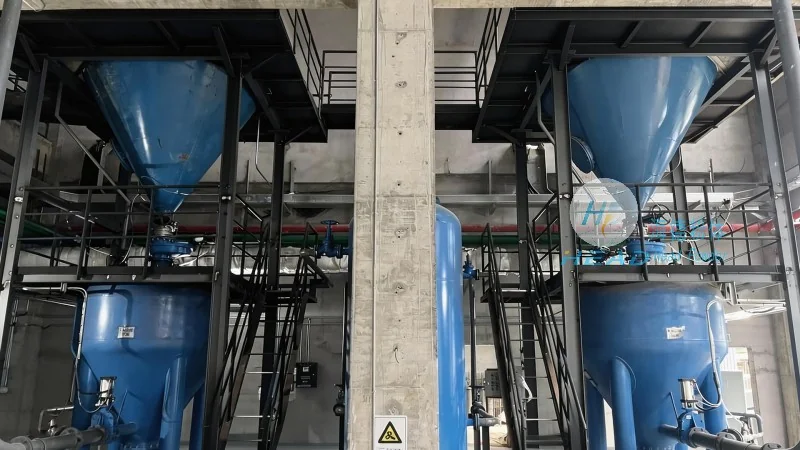
To ensure the long-term performance and reliability of PVC material pneumatic conveying lines, regular maintenance and proper troubleshooting are essential. Regular maintenance tasks include checking and replacing air filters to prevent dust and debris from entering the system, inspecting and cleaning the conveying pipeline to remove any buildup or blockages, and lubricating moving parts such as bearings and seals. The material feed hopper and feeder should also be inspected regularly to ensure proper operation and prevent material bridging or clogging. Control valves and sensors should be calibrated and tested periodically to maintain accurate pressure and flow readings. Troubleshooting common issues such as blockages, pressure drops, or uneven material flow is crucial for maintaining system efficiency. Blockages can occur due to material buildup or foreign objects in the pipeline, and can be resolved by clearing the blockage and checking for proper air flow. Pressure drops may indicate a clogged filter or a restriction in the pipeline, which can be addressed by cleaning or replacing the filter and inspecting the pipeline for obstructions. Uneven material flow may be caused by improper feeder settings or variations in material consistency, which can be adjusted by optimizing the feeder speed and ensuring consistent material quality. By following proper maintenance procedures and addressing issues promptly, the performance and lifespan of PVC material pneumatic conveying lines can be maximized, ensuring reliable operation and cost-effective material handling.
Conclusion
In conclusion, PVC material pneumatic conveying lines are advanced and efficient systems designed to handle PVC materials with precision and reliability. The operation process involves sequential steps from material feeding to discharge, with the working principle based on fluidization and suspension of particles in a gas stream. These systems offer numerous advantages over traditional methods, including high efficiency, flexibility, and reduced material degradation. Proper maintenance and troubleshooting are essential to ensure optimal performance and longevity. Shandong HeadPowder Engineering Co., Ltd. specializes in the design and installation of such systems, providing customized solutions tailored to the specific needs of industrial applications. By understanding the operation process and working principles, users can effectively utilize PVC material pneumatic conveying lines to enhance their material handling processes and improve overall operational efficiency.




