Light calcium material, also known as calcium carbonate, is a widely used industrial chemical in various sectors including construction, paper, and plastic manufacturing. The efficient handling and transportation of light calcium powder are crucial for maintaining production efficiency and product quality. Pneumatic conveying systems offer a reliable solution for transporting light calcium material from storage to processing units. This article provides an in-depth look at the operation process and working principle of a light calcium material pneumatic conveying line, highlighting the key components, operational steps, and technical aspects involved. The information is presented by Shandong HeadPowder Engineering Co., Ltd., a leading manufacturer of industrial material handling equipment based in Shandong, China.
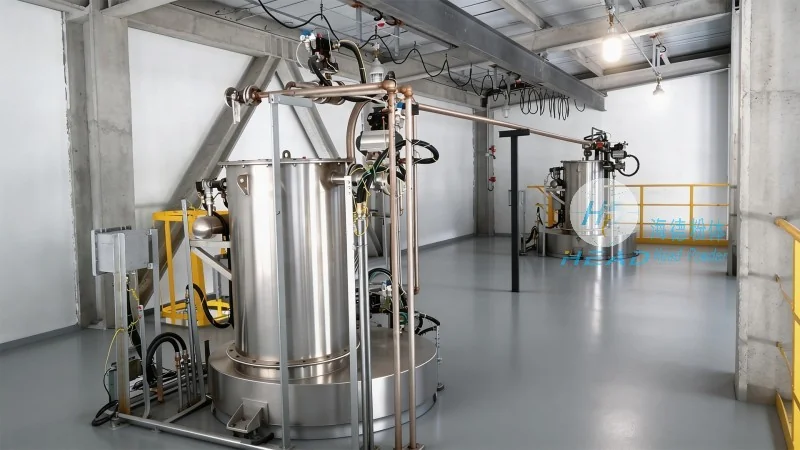
Key Components of the Pneumatic Conveying System
The light calcium material pneumatic conveying line typically consists of several essential components that work in tandem to ensure smooth material transport. These components include a hopper or storage silo for material storage, a feeder to control the flow rate of the material, a conveying pipeline network, a blower or air compressor to generate the necessary air pressure, and a receiver or discharge hopper for the material's final destination. Each component plays a critical role in the overall system performance and must be properly designed and maintained to prevent material blockages, air leaks, or system inefficiencies.
Working Principle of the Pneumatic Conveying Process
The core of the pneumatic conveying system is the transfer of light calcium powder using compressed air. The process begins with the material being fed from the storage hopper into the conveying pipeline. The feeder regulates the material flow, ensuring a consistent feed rate that matches the air flow. The blower then generates a high-pressure air stream, which carries the light calcium particles through the pipeline. As the air and material mixture travels, the air velocity and pressure maintain the material in suspension, preventing it from settling or clogging the pipeline. The material is then deposited into the receiver at the end of the line, where it is collected for further processing. The system relies on the balance between air pressure, material properties, and pipeline design to achieve efficient and reliable transport.
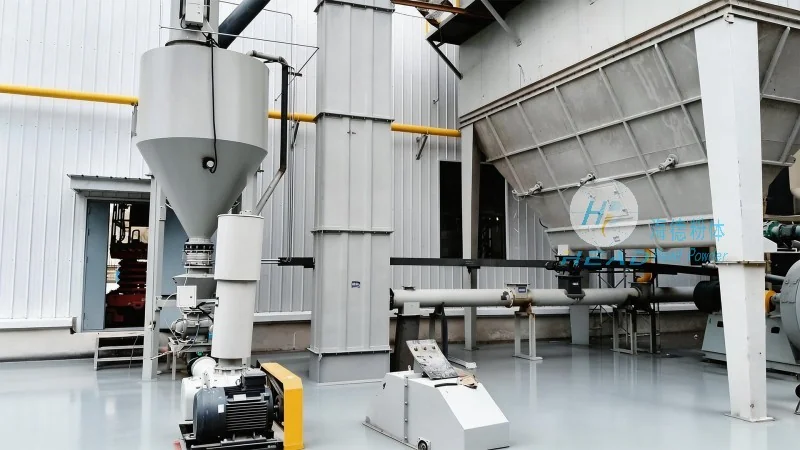
Operation Process: Step-by-Step Guide
The operation of a light calcium material pneumatic conveying line involves a series of sequential steps that ensure the system runs smoothly and safely. The process starts with the preparation phase, where the storage hopper is filled with light calcium material and the system is checked for any air leaks or mechanical issues. Next, the blower is started, and the air pressure is adjusted to the optimal level for the material's characteristics. The feeder is then activated to begin the material flow, with the air flow rate matched to the material feed rate to maintain a stable conveying condition. During operation, the system is monitored for pressure variations, flow rates, and any signs of blockage or air leakage. If any issues arise, the system can be paused or adjusted as needed to resolve the problem. The end of the operation involves stopping the feeder and blower, allowing the system to return to a standby state, and then emptying the receiver of the conveyed material.
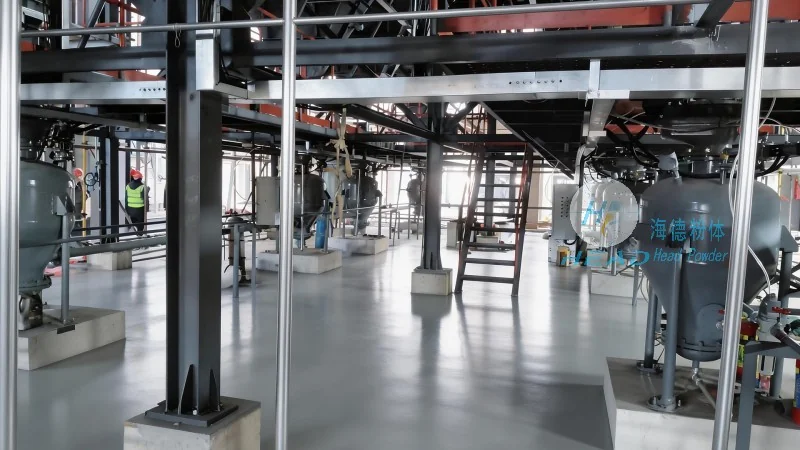
Technical Considerations and Maintenance
Several technical considerations are crucial for the optimal performance of a light calcium material pneumatic conveying line. The material's particle size, density, and moisture content significantly affect the conveying efficiency, as these properties influence the air velocity required for suspension. The pipeline diameter and length must be appropriately sized to handle the material flow without excessive pressure drop or air consumption. Regular maintenance is essential to prevent system failures and ensure long-term reliability. This includes cleaning the hopper and feeder to prevent material buildup, inspecting the blower and air compressor for wear and tear, checking the pipeline for blockages or leaks, and replacing worn components as needed. Proper maintenance schedules and trained personnel are vital to keep the system operating at peak efficiency.
Applications and Benefits
Light calcium material pneumatic conveying lines are widely used in various industrial applications where the transport of fine powders is required. In the construction industry, they are used to transport light calcium powder for cement and plaster production. In the paper industry, they are used to supply calcium carbonate as a filler in paper manufacturing. In the plastic industry, they are used to add light calcium as a reinforcing agent in polymer production. The benefits of using a pneumatic conveying system for light calcium material include improved safety (as there are no moving parts in the pipeline), reduced material waste (due to minimal spillage), and increased production efficiency (as the system can operate continuously without frequent stops). Additionally, the system can be easily integrated with other processing equipment, allowing for a seamless production flow.




