

Operation Process and Working Principle of Styrene Powder Pneumatic Conveying Line
Styrene powder pneumatic conveying lines are critical components in industrial operations for the efficient and reliable transport of styrene powder. These systems leverage pneumatic technology to move solid particles through pipelines, offering advantages such as reduced material handling costs, improved safety, and enhanced process control. This article provides a comprehensive overview of the operation process and working principle of styrene powder pneumatic conveying lines, emphasizing the technical aspects and practical applications of such systems.
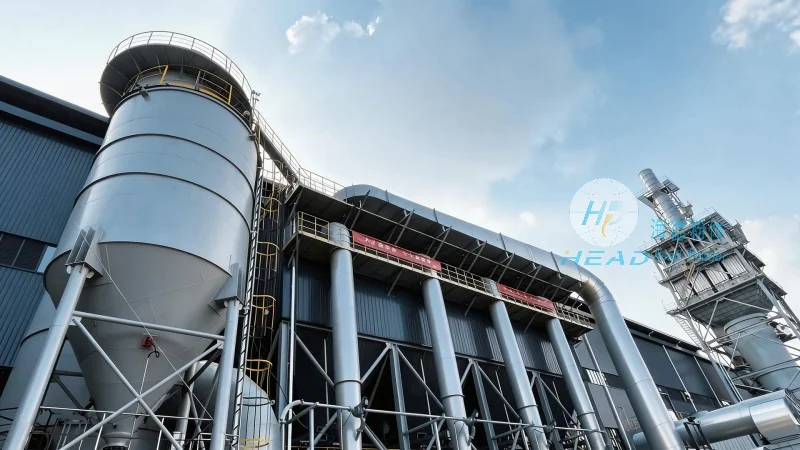
Company Overview: Shandong HeadPowder Engineering Co., Ltd.
HeadPowder, a prominent manufacturer in the powder handling industry, specializes in the design, development, and installation of advanced pneumatic conveying systems. HeadPowder operates from Shandong, China, drawing on local expertise and manufacturing capabilities to deliver high-quality solutions tailored to diverse industrial needs. The company's commitment to innovation and customer satisfaction has positioned it as a leading provider of powder transport equipment, serving clients across various sectors including chemicals, pharmaceuticals, and food processing.
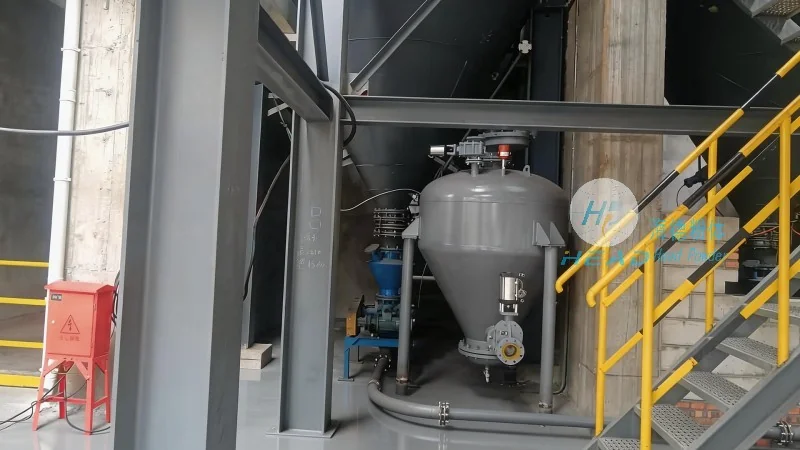
Key Features of the Pneumatic Conveying System
The styrene powder pneumatic conveying line offered by HeadPowder incorporates several key features that enhance performance and reliability. These features include robust material handling capabilities, precise control mechanisms, and durable construction suitable for demanding industrial environments. The system is engineered to minimize product degradation, maintain consistent flow rates, and prevent contamination during transport. Additionally, the equipment is designed to meet safety standards and operational efficiency requirements, ensuring compliance with industry regulations and optimizing process productivity.
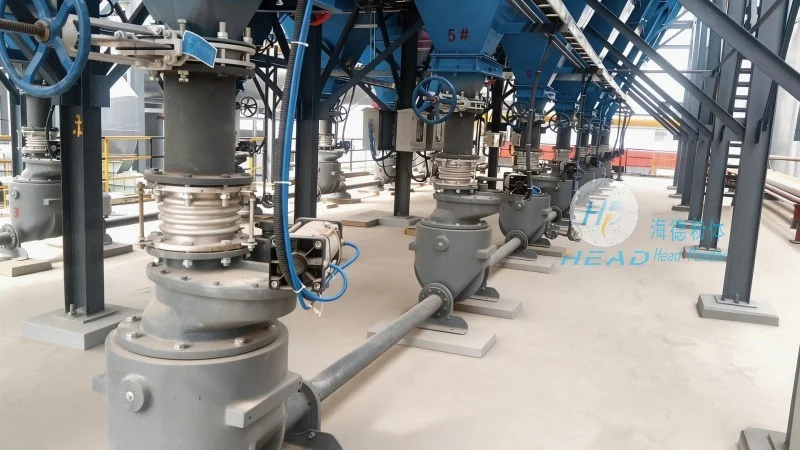
Detailed Operation Process of the System
The operation of a styrene powder pneumatic conveying line involves a series of coordinated steps to ensure smooth material transfer. The process begins with the loading of styrene powder into the hopper or storage vessel. From there, the powder is drawn into the conveying line using either positive pressure or negative pressure, depending on the system configuration. Compressed air or gas is introduced to create a pressure differential that propels the powder forward through the pipeline. The air velocity is carefully controlled to maintain the powder in a suspended state, preventing settling or clogging. The system includes check valves, flow regulators, and other control devices to manage the flow and ensure the powder reaches the discharge point without issues. Upon arrival at the destination, the powder is deposited into the receiving container or processing equipment, completing the transport cycle.
Working Principle Explained
The working principle of a styrene powder pneumatic conveying line is based on the fundamental physics of fluid dynamics and particle transport. In a positive pressure system, compressed air is supplied to the conveying line, creating a pressure higher than the ambient air pressure. This pressure differential forces the powder to move through the pipeline. The air velocity is maintained at a level sufficient to keep the powder particles suspended, preventing them from settling or adhering to the pipe walls. In a negative pressure system, the air is drawn out of the line, creating a vacuum that pulls the powder from the source to the destination. Both systems rely on the balance between air flow and particle characteristics to achieve efficient transport. The design of the system, including pipeline diameter, air flow rate, and component configuration, is critical to optimizing performance and minimizing energy consumption.
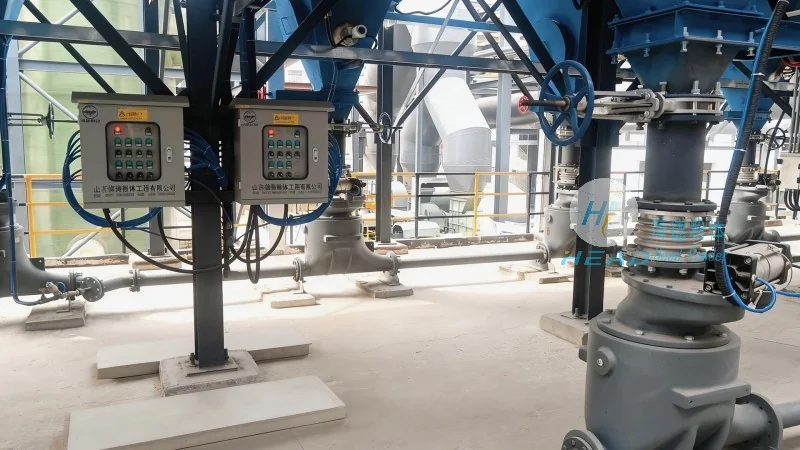
Technical Specifications and Application Considerations
When selecting a styrene powder pneumatic conveying line, several technical specifications and application factors must be considered. These include the particle size and density of the styrene powder, the required flow rate, the distance between the source and destination, and environmental conditions such as temperature and humidity. The system must be capable of handling the specific properties of the powder, such as its tendency to agglomerate or its sensitivity to moisture. Additionally, the equipment must be constructed from materials compatible with the powder and resistant to corrosion or wear. HeadPowder's systems are designed to accommodate a wide range of these parameters, providing customized solutions that meet the unique requirements of each application. The company's expertise in powder handling technology ensures that customers receive systems that are not only efficient but also durable and cost-effective over the long term.