Headpowder, a leading enterprise in the field of powder material handling, specializes in the design, manufacturing, and installation of advanced pneumatic conveying systems for various industrial applications. This article provides a detailed overview of the operation process and working principle of a soda ash powder pneumatic conveying system, highlighting the key components, operational steps, and technical advantages that make such systems efficient and reliable for bulk material transport.
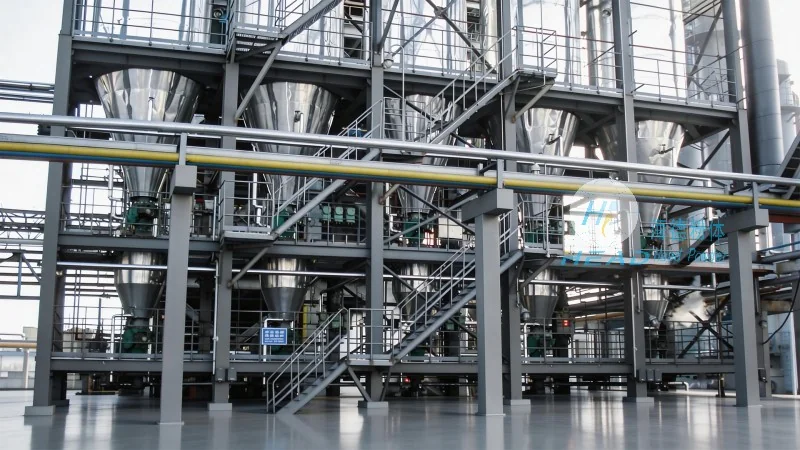
Company Introduction and System Overview
Shandong HeadPowder Engineering Co., Ltd., commonly known as Headpowder, is headquartered in Shandong, China. The company has been dedicated to the research and development of innovative powder handling solutions for over two decades, serving clients across multiple industries including chemical, food, pharmaceutical, and mining sectors. The soda ash powder pneumatic conveying system discussed here is a prime example of Headpowder's expertise in creating customized, high-performance systems tailored to meet specific operational requirements.
Key Components of the Pneumatic Conveying System
The soda ash powder pneumatic conveying system typically consists of several critical components that work in tandem to ensure efficient material transport. These components include the material hopper, feeder, air compressor, conveying pipeline, and receiver. Each component plays a vital role in the overall operation of the system:
1. Material Hopper: This is the storage vessel where soda ash powder is loaded before being conveyed. The hopper is designed with a conical bottom to facilitate uniform material flow and prevent clogging. It is equipped with a level indicator to monitor the material inventory and a discharge valve for controlled release of the powder.
2. Feeder: The feeder is responsible for regulating the flow rate of soda ash powder from the hopper into the conveying pipeline. Common types of feeders used in such systems include rotary valves, star feeders, and screw feeders. The feeder ensures a consistent and controlled feed rate, which is crucial for maintaining stable system performance and preventing overloading of the conveying line.
3. Air Compressor: The air compressor generates the necessary pressure and airflow to move the soda ash powder through the pipeline. It is typically a positive displacement type, such as a rotary screw or reciprocating compressor, capable of delivering high-pressure air at the required flow rate. The compressor is equipped with a pressure regulator and a filter to ensure clean and dry air, which is essential for preventing material degradation and equipment wear.
4. Conveying Pipeline: The pipeline is the main pathway through which soda ash powder is transported. It is usually made of stainless steel or other corrosion-resistant materials to withstand the chemical properties of soda ash and ensure long-term durability. The pipeline is designed with appropriate bends and fittings to maintain the material's flow characteristics and minimize pressure losses. In some systems, the pipeline may be equipped with inline mixers or agitators to prevent material settling or caking.
5. Receiver: The receiver is the final destination where the conveyed soda ash powder is deposited. It is typically a storage silo or a discharge hopper, designed to handle the incoming material and prevent spillage. The receiver is equipped with a level sensor and a discharge valve to control the release of the material to the next processing stage.
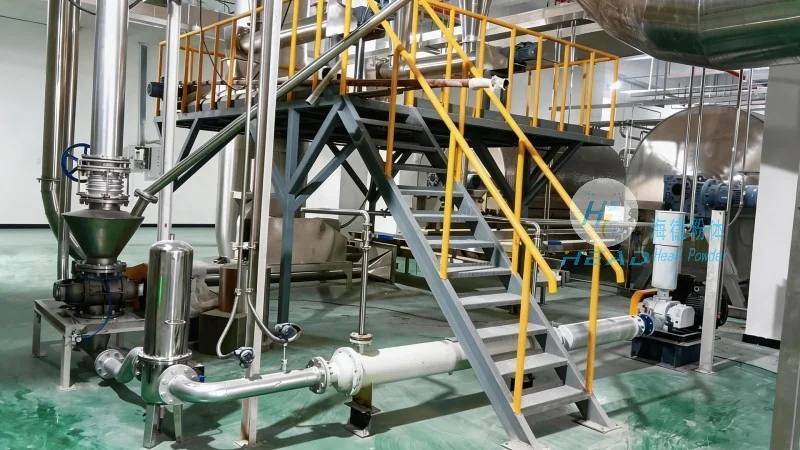
Operation Process of the Pneumatic Conveying System
The operation of the soda ash powder pneumatic conveying system follows a systematic sequence of steps to ensure efficient and safe material transport. The process can be broken down into the following stages:
1. Preparation and Loading: The soda ash powder is loaded into the material hopper from a bulk storage or a production line. The hopper is then sealed to prevent dust emission and maintain material integrity. The feeder is adjusted to the desired flow rate based on the system's capacity and operational requirements.
2. Compressed Air Initiation: The air compressor is started, and compressed air is supplied to the conveying pipeline. The pressure in the system is gradually increased to the operating level, typically ranging from 0.5 to 1.5 bar, depending on the system design and material characteristics. The air flow rate is adjusted to match the material feed rate to maintain a stable conveying condition.
3. Material Conveying: As the compressed air flows through the pipeline, it entrains the soda ash powder particles, creating a slurry-like mixture known as a "pneumatic stream." The mixture is transported from the hopper to the receiver through the pipeline. The conveying velocity is maintained at a level that prevents material settling or caking, ensuring smooth and continuous transport.
4. Deposition and Discharge: Upon reaching the receiver, the compressed air is released or directed to a venting system, allowing the soda ash powder to settle and be collected in the receiver. The receiver's discharge valve is then opened to transfer the material to the next processing stage, such as packaging or further processing.
5. System Shutdown and Maintenance: After the conveying operation is complete, the air compressor is shut down, and the system is depressurized. The material hopper and receiver are emptied, and routine maintenance tasks are performed, including cleaning the pipeline, checking for wear and tear on components, and replacing any worn parts. Regular maintenance is essential to ensure the long-term reliability and efficiency of the system.
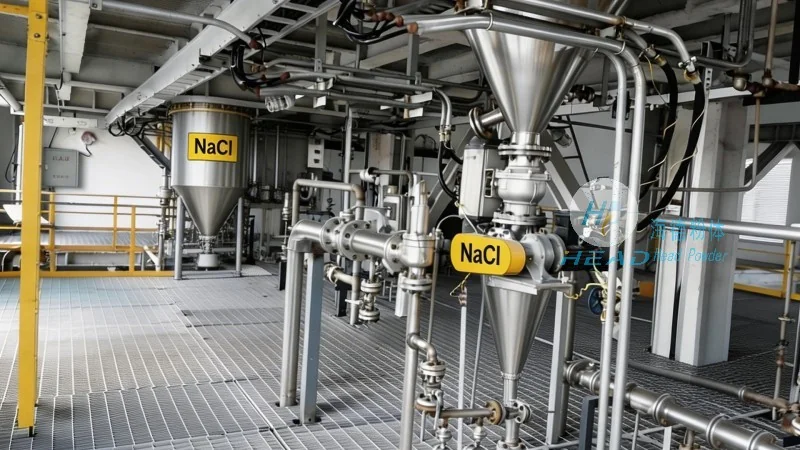
Working Principle of the Pneumatic Conveying System
The working principle of the soda ash powder pneumatic conveying system is based on the fundamental concept of fluidization and suspension of solid particles in a gas stream. The system operates by creating a high-velocity air flow that entrains the soda ash powder particles, lifting them from the hopper and transporting them through the pipeline to the receiver. The key principles involved in this process include:
1. Fluidization: The compressed air flowing through the pipeline creates a fluidized state in the soda ash powder particles. This fluidization allows the particles to behave like a fluid, enabling them to be moved by the air flow. The fluidization velocity is determined by the particle size, density, and the air flow rate, and it must be maintained above the minimum fluidization velocity to prevent particle settling.
2. Suspension: The soda ash powder particles are suspended in the air stream as they travel through the pipeline. The suspension is maintained by the continuous airflow, which keeps the particles in motion and prevents them from settling or caking. The suspension velocity is higher than the fluidization velocity and is necessary to ensure the particles remain in the air stream throughout the conveying process.
3. Pressure Drop: The pressure drop across the conveying pipeline is a critical parameter that affects the system's performance. It is caused by the friction between the air and the pipeline walls, as well as the resistance offered by the material particles. The pressure drop must be kept within an acceptable range to ensure the compressor can maintain the required airflow and pressure. Proper design of the pipeline, including the use of smooth surfaces and appropriate bends, helps minimize the pressure drop and improve system efficiency.
4. Material Handling Efficiency: The efficiency of the pneumatic conveying system is determined by several factors, including the conveying capacity, the pressure drop, and the material's flow characteristics. The system is designed to maximize the conveying capacity while minimizing energy consumption and wear on components. The use of appropriate components, such as high-quality air compressors and corrosion-resistant pipelines, ensures the system operates efficiently and reliably over an extended period.
Technical Advantages of the Soda Ash Powder Pneumatic Conveying System
The soda ash powder pneumatic conveying system offers several technical advantages that make it an ideal solution for bulk material transport in various industrial applications. These advantages include:
1. Continuous and Uninterrupted Operation: The system allows for continuous and uninterrupted transport of soda ash powder, which is essential for maintaining production efficiency and minimizing downtime. The use of a hopper and feeder ensures a steady supply of material to the system, while the receiver provides a buffer for the deposited material.




