For industries dealing with magnesium silicate materials, the efficiency and reliability of material conveying systems are critical to overall production performance. The magnesium silicate material conveying line, developed by Shandong HeadPowder Engineering Co., Ltd., represents a sophisticated solution designed to meet the demanding requirements of material handling in various industrial applications. This article provides a detailed overview of the operation process and working principles of such a conveying line, highlighting key components, operational procedures, and the technical advantages that contribute to its effectiveness.
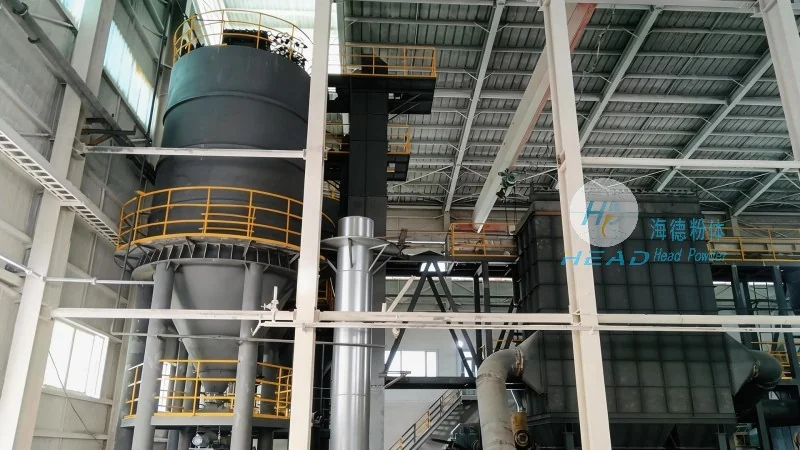
Introduction to Magnesium Silicate Material Conveying Line
Magnesium silicate, commonly found in forms like talc or pyrophyllite, is widely used in industries such as ceramics, pharmaceuticals, and cosmetics due to its unique properties. Handling these materials requires specialized equipment capable of maintaining material integrity while ensuring smooth and efficient transport. The conveying line designed by HeadPowder Engineering is engineered to address these challenges, integrating advanced technology and robust construction to deliver consistent performance.
Key Components of the Conveying Line
The magnesium silicate material conveying line consists of several interconnected components that work in tandem to facilitate material transport. These components include feed hoppers, conveyor belts or screw conveyors, pneumatic systems for dust control, and control panels for automated operation. Each component is carefully selected and configured to ensure compatibility with the physical and chemical characteristics of magnesium silicate, minimizing the risk of material degradation or equipment damage.
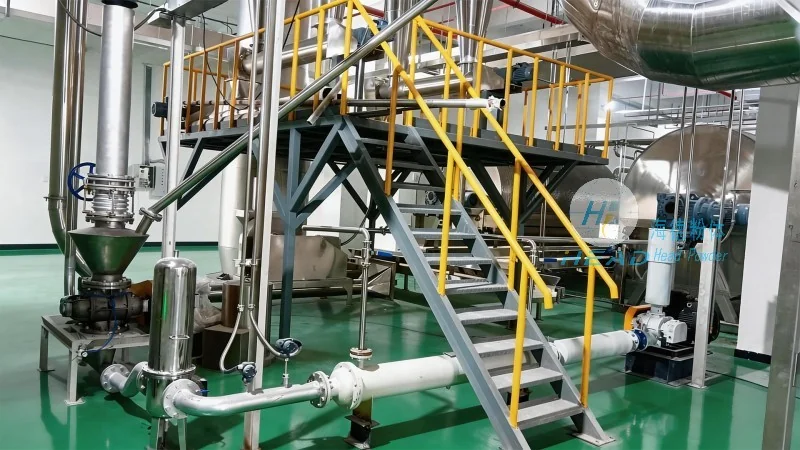
Operation Process of the Conveying Line
The operation of the magnesium silicate material conveying line begins with the loading of raw magnesium silicate material into the feed hopper. The hopper is designed with a sloped bottom to facilitate uniform material flow into the conveyor system. Once the material is fed into the conveyor, it is transported along the designated path through the use of mechanical or pneumatic forces. The conveyor system may include multiple segments, allowing for horizontal, vertical, or inclined transport as required by the production layout. At each stage, the material is monitored for flow consistency and any potential blockages are detected and addressed by the control system.
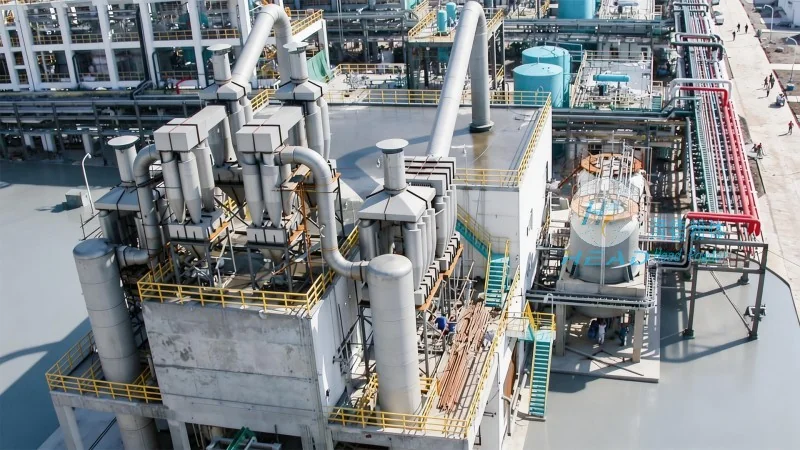
Working Principle of the Conveying Line
The working principle of the magnesium silicate material conveying line is based on the integration of mechanical and pneumatic technologies to achieve efficient material transport. The primary mechanism involves the use of conveyor belts or screw conveyors that move the material from the feed point to the discharge point. Pneumatic systems are employed to control dust generation and maintain air quality, which is crucial for both material handling and worker safety. The control panel, equipped with sensors and automation software, regulates the speed of the conveyor, adjusts material flow rates, and monitors system performance in real-time. This closed-loop control system ensures that the conveying process operates at optimal efficiency, minimizing energy consumption and maximizing throughput.
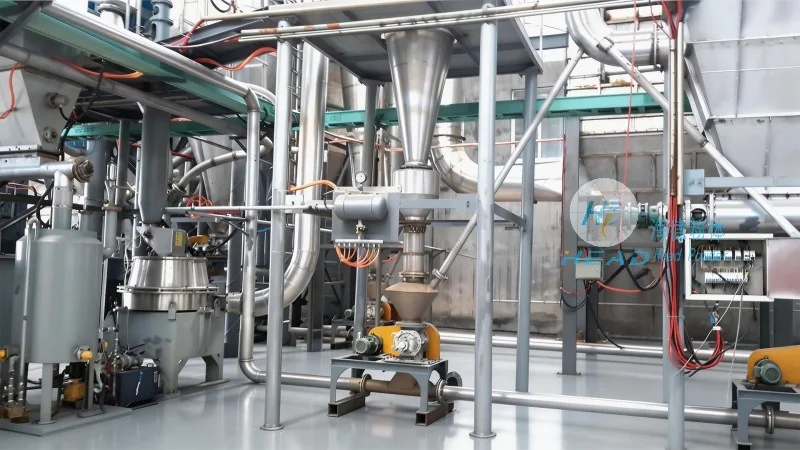
Technical Advantages and Applications
The magnesium silicate material conveying line offered by Shandong HeadPowder Engineering Co., Ltd. offers several technical advantages that make it suitable for diverse industrial applications. These include high material handling capacity, low maintenance requirements, and the ability to handle materials with varying particle sizes and moisture content. The system is particularly effective in applications where material integrity must be preserved, such as in the production of fine powders for pharmaceuticals or cosmetics. Additionally, the integration of dust control measures ensures compliance with environmental regulations and enhances workplace safety.
Conclusion
In conclusion, the magnesium silicate material conveying line developed by HeadPowder Engineering is a reliable and efficient solution for industries requiring the transport of magnesium silicate materials. By understanding the operation process and working principles of this system, users can appreciate the technical sophistication and practical benefits it provides. With its robust design and advanced control features, the conveying line is well-suited to meet the evolving demands of modern industrial production, ensuring consistent performance and operational excellence.




