This section introduces the fundamental concept of powder tank truck material conveying lines, which are specialized systems designed to efficiently transport bulk powders from the tank truck to processing facilities or storage areas. The system typically integrates various components such as pneumatic conveying equipment, control systems, and safety mechanisms to ensure reliable and safe material transfer. These lines are widely used in industries like chemical, food, and pharmaceutical manufacturing, where handling fine powders requires precise and controlled operations.
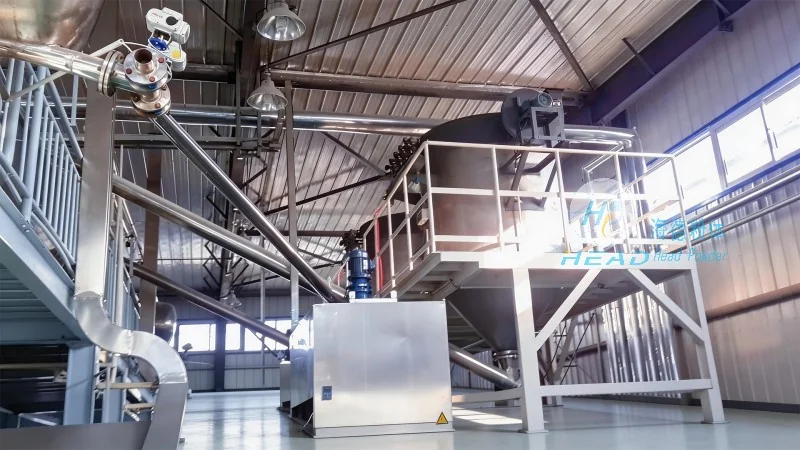
Company Overview: Shandong HeadPowder Engineering Co., Ltd.
HeadPowder, the manufacturer behind these advanced conveying solutions, is a leading company based in Shandong, China. With years of experience in engineering and manufacturing, HeadPowder specializes in designing and supplying high-quality material handling systems tailored to the needs of diverse industrial applications. The company's commitment to innovation and quality ensures that their powder tank truck material conveying lines meet the highest standards of performance and reliability.
Key Components and Structure of the Conveying Line
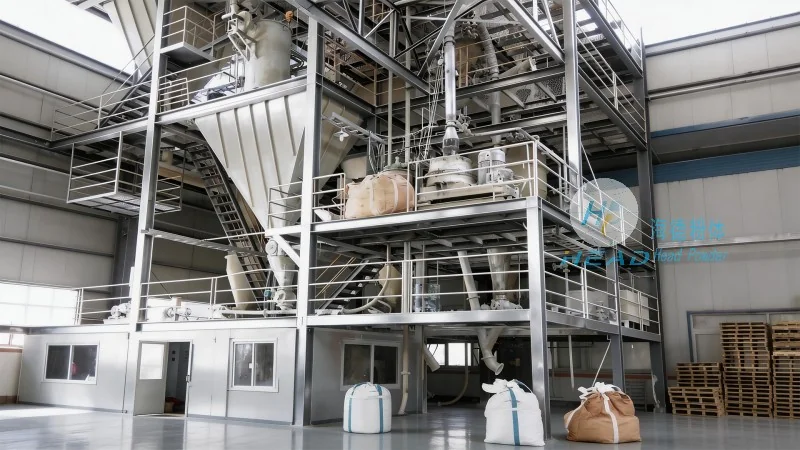
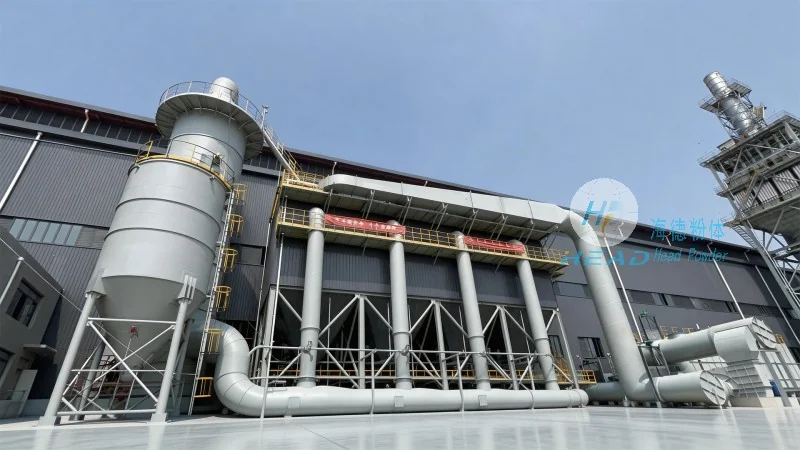
The powder tank truck material conveying line consists of several critical components that work in tandem to achieve efficient material transfer. The primary components include the tank truck itself, which serves as the initial storage and transport vessel for the bulk powder; a pneumatic conveying system, which uses compressed air to move the powder from the truck to the processing plant; a hopper or receiving tank, which collects the powder upon arrival; and a control panel, which monitors and regulates the entire operation. Additionally, the system may incorporate filters, cyclones, and dust collection equipment to ensure environmental compliance and product purity.
Detailed Operation Process
The operation of a powder tank truck material conveying line begins with the arrival of the tank truck at the processing facility. The truck is positioned at a loading station, where the conveying line is connected to the truck's discharge valve. Once connected, the control system activates the pneumatic conveying process. Compressed air is introduced into the truck's interior, creating a pressure differential that forces the powder through the conveying line. The powder travels through the pipeline, often using a series of bends and fittings, to the receiving hopper at the processing plant. The control system continuously monitors the pressure and flow rate to maintain optimal operation. Upon completion of the transfer, the system automatically shuts down, and the truck is disconnected for the next cycle.
Working Principle Analysis
The working principle of the powder tank truck material conveying line is based on the principles of pneumatic conveying, where the powder is suspended and transported by the flow of air. The system operates under positive pressure, meaning the air pressure inside the conveying line is higher than the ambient air pressure. This pressure difference creates a flow of air that carries the powder particles along the pipeline. The velocity of the air is carefully controlled to ensure that the powder remains suspended without causing excessive wear on the equipment. The design of the conveying line, including the diameter of the pipes and the angle of the bends, is optimized to minimize pressure loss and maximize efficiency. The control system plays a crucial role in maintaining the correct air pressure and flow rate, ensuring consistent and reliable material transfer.
Advantages and Applications
The powder tank truck material conveying line offers several advantages over traditional manual or mechanical transfer methods. These include increased efficiency, reduced labor costs, improved safety, and enhanced product quality. The system minimizes the risk of dust exposure and product contamination, which is critical in industries where product purity is paramount. Additionally, the automated operation reduces the need for manual handling, thereby improving workplace safety. The versatility of the system allows it to handle a wide range of powder types, from fine powders like flour and cement to coarser materials like sugar and salt. Industries such as chemical manufacturing, food processing, and pharmaceutical production benefit significantly from these conveying lines, as they streamline their material handling processes and improve overall operational efficiency.




