For industrial applications requiring efficient and reliable handling of boron nitride materials, understanding the operation process and working principles of specialized material handling systems is crucial. This article provides a detailed overview of how boron nitride material handling systems function, emphasizing the technical aspects and operational efficiency that define their performance.
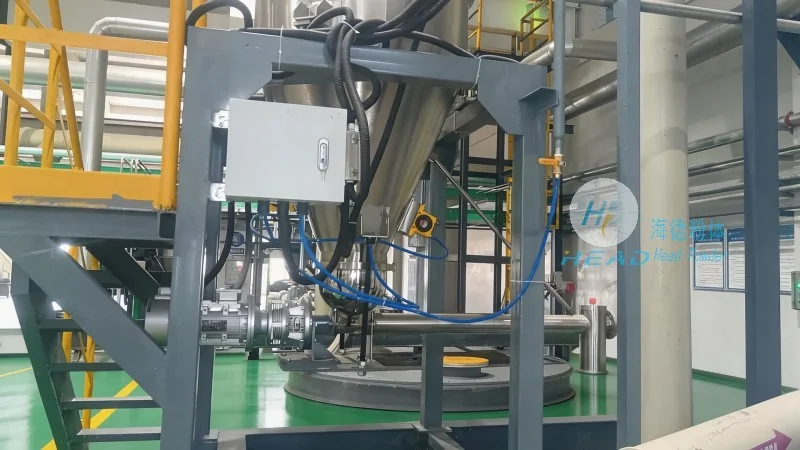
Introduction to Boron Nitride Material Handling Systems
Boron nitride (BN) is a versatile ceramic material widely used in high-temperature applications, electrical insulation, and as a lubricant due to its excellent thermal stability and chemical inertness. Material handling systems designed for BN are engineered to manage its unique properties, such as low friction, high thermal conductivity, and resistance to chemical corrosion. These systems are critical in industries like semiconductor manufacturing, aerospace, and advanced ceramics, where precise and safe handling of BN is essential for maintaining product quality and operational safety.
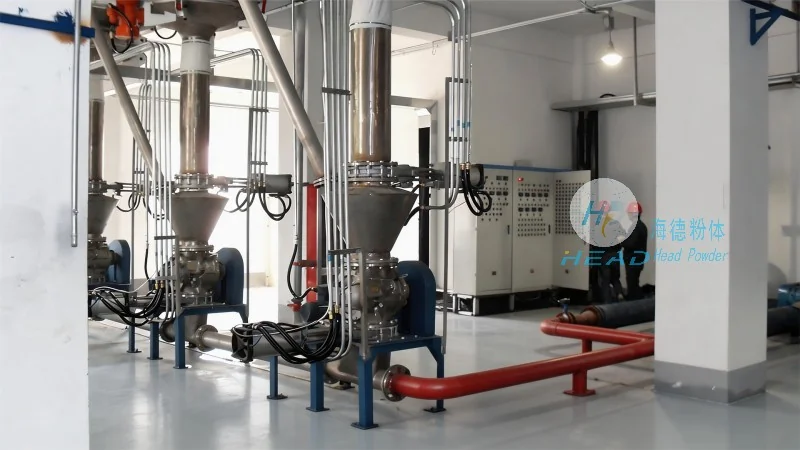
Key Components of Boron Nitride Material Handling Equipment
The core components of boron nitride material handling systems typically include feeders, conveyors, storage hoppers, and control units. Each component plays a vital role in the seamless transfer of BN from raw material storage to processing or packaging stages. Feeders, often equipped with adjustable speed controls, ensure a consistent flow rate, preventing material buildup or overloading. Conveyors, which may be belt or screw-driven, transport BN through the system with minimal friction, reducing product degradation. Storage hoppers are designed with smooth, non-stick surfaces to accommodate BN's tendency to adhere to surfaces, while also allowing for easy discharge through valves or gates.
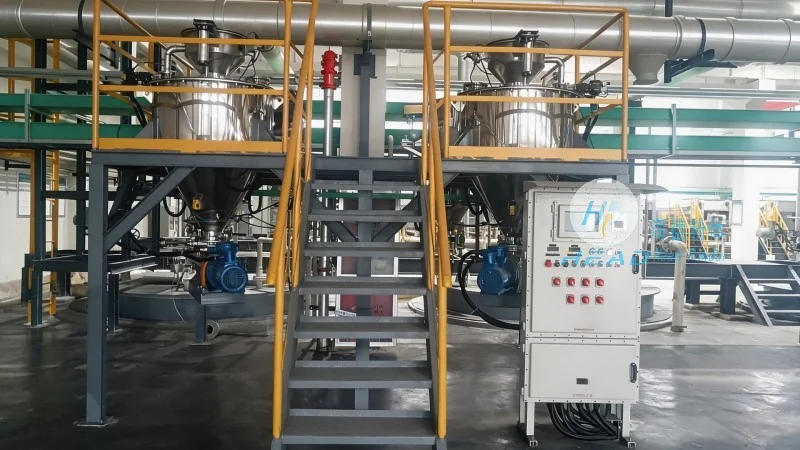
Operation Process of Boron Nitride Material Handling
The operation process of boron nitride material handling systems follows a systematic sequence to ensure efficient material transfer. Initially, raw boron nitride is fed into the storage hopper from bulk containers or silos. The feeder then regulates the material flow, delivering a controlled quantity to the conveyor system. The conveyor transports the BN to the processing area or packaging station, where it is further handled by downstream equipment. Throughout this process, sensors and control systems monitor key parameters such as flow rate, pressure, and temperature, ensuring that the system operates within optimal conditions. The entire process is designed to minimize material loss, reduce downtime, and maintain product integrity.
Working Principle of Boron Nitride Material Handling Systems
The working principle of boron nitride material handling systems is based on mechanical and pneumatic mechanisms that adapt to the material's properties. For instance, many systems use screw conveyors or augers to move BN, as these designs provide gentle handling and prevent particle breakage. The use of smooth, non-stick surfaces in hoppers and chutes reduces friction and prevents material adhesion, which is critical for maintaining the material's quality. Additionally, some systems incorporate vacuum or air-assisted feeding to handle fine BN powders, ensuring consistent and reliable material transfer. The control unit integrates all components, using feedback from sensors to adjust operations in real-time, optimizing the system's performance and efficiency.
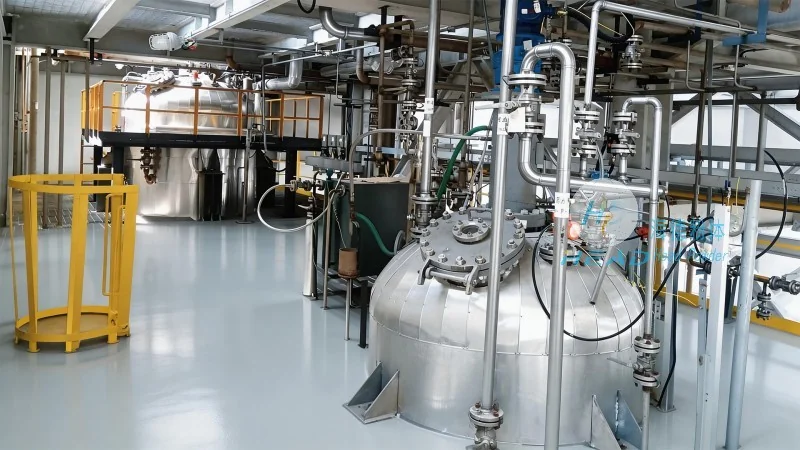
Company Overview: Shandong HeadPowder Engineering Co., Ltd.
HeadPowder, a leading manufacturer of material handling solutions, specializes in designing and manufacturing systems tailored to the unique needs of boron nitride and other advanced ceramic materials. With a focus on precision engineering and customer-centric solutions, HeadPowder has established itself as a trusted partner in the industry. The company's headquarters is located in Shandong, China, where it leverages advanced manufacturing capabilities and technical expertise to deliver high-quality equipment. HeadPowder's commitment to innovation and quality ensures that its material handling systems meet the stringent requirements of modern industrial applications, providing reliable and efficient solutions for its clients.




