

Operation Process and Working Principle of Broad Bean Powder Conveying Machine
Shandong HeadPowder Engineering Co., Ltd. is a leading manufacturer specializing in advanced powder handling equipment. Our broad bean powder conveying machines are engineered to meet the demanding requirements of industries processing bulk solid materials, such as food processing, pharmaceuticals, and chemical manufacturing. These systems are designed to ensure efficient, hygienic, and reliable transport of broad bean powder, minimizing material loss and operational downtime.
Key Components of the Broad Bean Powder Conveyor
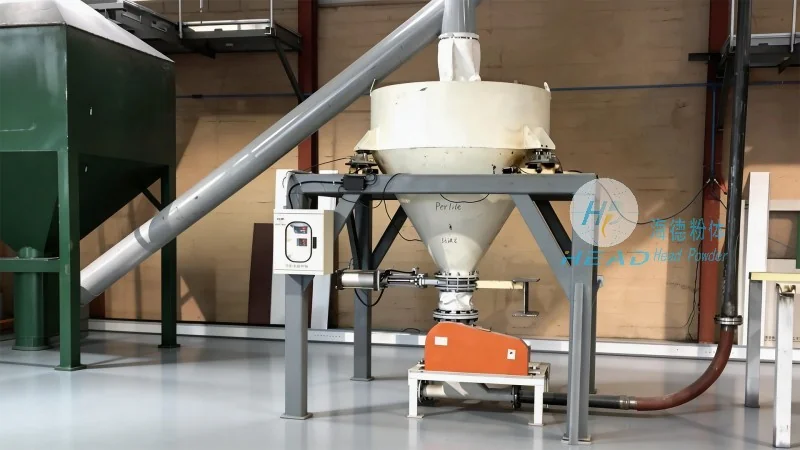
The broad bean powder conveying machine consists of several essential components that work in tandem to achieve optimal performance. The main parts include the hopper, which serves as the material inlet, feeding the powder into the conveyor system. The hopper is equipped with a discharge valve or gate to control the flow rate of the material. A rotary valve or feeder is typically integrated to regulate the quantity of powder entering the conveyor, ensuring consistent and controlled feeding. The conveyor itself, often a screw or pneumatic type, transports the powder through the system. For broad bean powder, a screw conveyor is commonly used due to its ability to handle fine, cohesive materials without clogging. The screw conveyor features a helical screw blade that rotates inside a cylindrical tube, pushing the powder forward. The screw's pitch (the distance between adjacent threads) and diameter are carefully selected to match the material's characteristics, ensuring efficient transport without excessive pressure or friction. For instance, a larger pitch is used for free-flowing powders, while a smaller pitch is suitable for cohesive materials like broad bean flour. The screw blade is made of durable materials, such as stainless steel or food-grade plastic, to withstand the abrasive nature of the powder and maintain hygiene standards. The motor and drive system power the conveyor, with options for variable speed drives to adjust the conveyor speed based on the material load. A control panel allows operators to monitor and adjust the system parameters, including speed, flow rate, and pressure. The discharge outlet at the end of the conveyor directs the powder to the next processing stage, such as a mixer or packaging unit. In some designs, a dust collection system is integrated to capture any airborne particles, ensuring a clean and safe working environment.
Working Principle of the Broad Bean Powder Conveyor
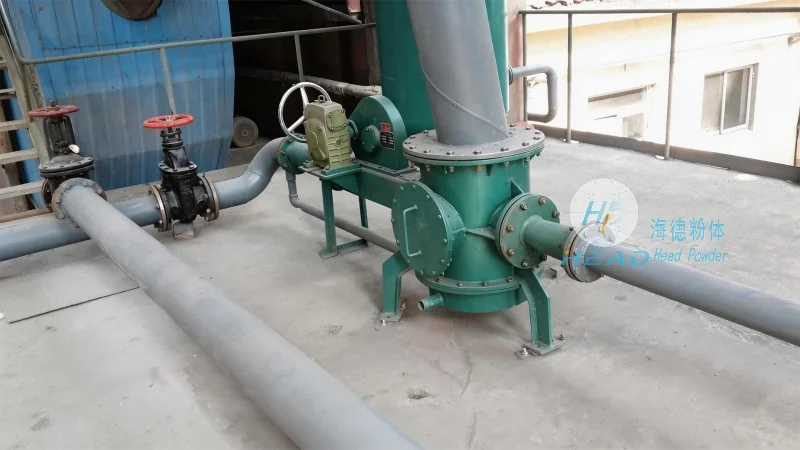
The operation of the broad bean powder conveying machine is based on mechanical or pneumatic principles, depending on the design. For mechanical systems, the screw conveyor's rotating screw blade creates a positive displacement, moving the powder along the conveyor's path. The screw's rotation generates a forward thrust, pushing the powder forward. The material is carried in the trough formed by the screw and the conveyor tube, preventing it from coming into direct contact with the tube's walls. This design minimizes friction and reduces the risk of material degradation. The motor drives the screw at a controlled speed, which can be adjusted to accommodate varying material loads. For example, during high production periods, the speed is increased to meet the throughput requirements, while during low demand, it is reduced to conserve energy. The control panel allows real-time adjustments to the conveyor speed or feeder settings to maintain optimal operation. In pneumatic conveying systems, compressed air is used to transport the powder through a pipeline. The broad bean powder is suspended in the air stream and carried to the destination. This method is particularly effective for fine powders that are prone to caking or bridging in mechanical conveyors. The system includes an air compressor, which generates the necessary pressure and volume of air. A filter is installed to remove moisture and contaminants from the air, preventing damage to the conveying system and ensuring the purity of the powder. The venturi or eductor creates the air flow by reducing the pressure in the pipeline, drawing the powder into the air stream. The conveying velocity and pressure are critical parameters that determine the system's efficiency and material handling capacity. Higher pressure and velocity result in faster transport but may increase energy consumption and wear on the system components. Proper selection of these parameters is essential to balance efficiency and cost.
Step-by-Step Operation Process
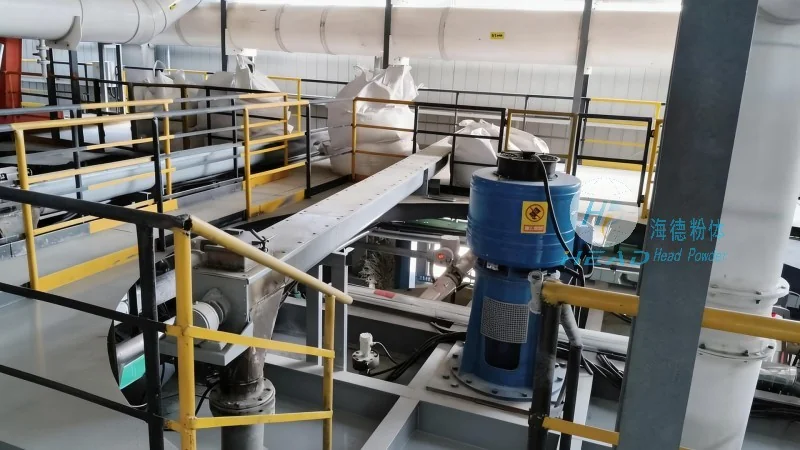
The operation of the broad bean powder conveying machine involves several sequential steps to ensure smooth material transport. First, the broad bean powder is loaded into the hopper from a storage silo or bulk container. The hopper's design, with a sloped bottom and a discharge gate, facilitates the flow of powder into the feeder. The hopper is typically made of stainless steel or food-grade materials to maintain hygiene standards, especially in food processing applications. The powder is then fed into a rotary valve or feeder, which regulates the flow rate. The rotary valve, also known as a star valve or rotary airlock, has a rotating disc with slots that allow the powder to pass through in controlled quantities. This prevents overfeeding that could lead to blockages in the conveyor. The controlled powder flow enters the screw conveyor, where the rotating screw blade pushes the material forward. The conveyor's speed is adjusted based on the required throughput, ensuring that the material reaches the discharge outlet at the desired rate. The discharge outlet is connected to the next processing equipment, such as a mixer or packaging machine, completing the transport process. During operation, operators monitor the system's performance, checking for any signs of clogging or uneven flow. The control panel allows real-time adjustments to the conveyor speed or feeder settings to maintain optimal operation. For example, if the flow rate decreases, the operator may increase the screw speed or adjust the rotary valve opening. Regular maintenance, including cleaning the hopper and screw, checking for wear on the motor and bearings, and inspecting the air filter in pneumatic systems, is essential to ensure the longevity and efficiency of the conveying machine. Maintenance schedules are typically based on the system's operating hours and material characteristics, with more frequent checks for abrasive materials like broad bean flour.
Benefits and Applications of Broad Bean Powder Conveying Machines
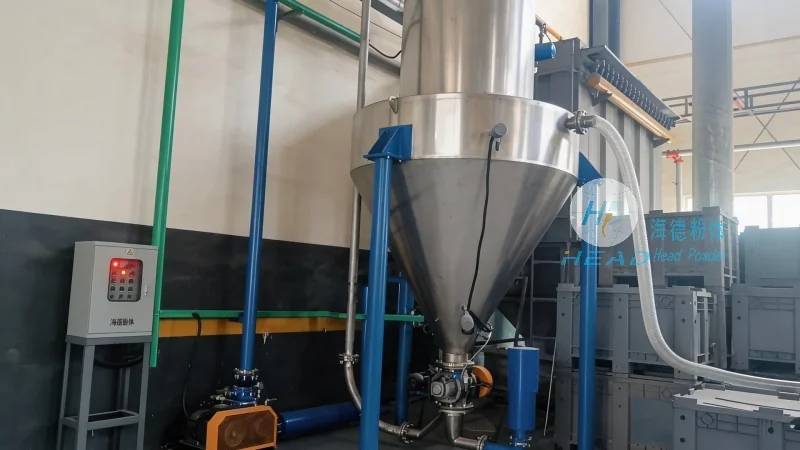
Using a broad bean powder conveying machine offers numerous benefits for industrial operations. The system enhances material handling efficiency by providing a continuous and controlled flow of powder, reducing the need for manual handling and labor. This improves productivity and minimizes the risk of material contamination, which is critical in food and pharmaceutical industries. The mechanical design of the screw conveyor ensures low maintenance requirements, as there are no moving parts that come into direct contact with the powder, reducing wear and tear. The hygienic design, with smooth surfaces and easy-to-clean components, complies with industry standards for food processing. Additionally, the system's ability to handle fine, cohesive powders without clogging makes it suitable for various applications, including the processing of broad beans into flour or other food products. The broad bean powder conveying machine is also versatile, capable of integrating with other processing equipment to form a complete production line. This integration streamlines the manufacturing process, reducing downtime and improving overall operational efficiency. For instance, the conveyor can be connected to a mixer to blend the broad bean powder with other ingredients, or to a packaging machine to fill bags with the final product. The system's reliability and consistency ensure that the quality of the final product is maintained, meeting customer expectations and regulatory requirements. In summary, the broad bean powder conveying machine is a reliable and efficient solution for transporting bulk solid materials, ensuring consistent performance and meeting the demands of modern industrial applications.