HeadPowder, a leading enterprise in the field of powder conveying technology, specializes in the design, manufacturing, and implementation of advanced stone aggregate powder conveying systems. Based in Shandong, China, the company has established itself as a trusted provider of efficient and reliable solutions for the transportation of bulk materials. This article delves into the operation process and working principle of such systems, highlighting the key components, operational steps, and technical advantages that make them indispensable in various industrial applications.
Introduction to Stone Aggregate Powder Conveying Systems
Stone aggregate powder conveying systems are engineered to handle the transport of fine to medium-sized powders, such as stone aggregates, cement, and other bulk materials. These systems are critical in industries like construction, mining, and manufacturing, where the efficient movement of raw materials is essential for maintaining production efficiency and reducing operational costs. The systems are designed to ensure minimal material loss, consistent flow rates, and compliance with safety and environmental standards.
Key Components of the Conveying System
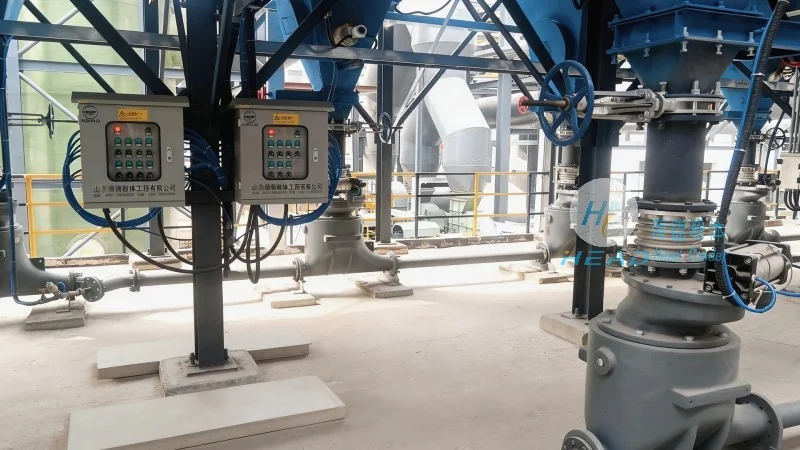
The stone aggregate powder conveying system typically consists of several core components that work in tandem to facilitate the smooth transport of materials. These components include a hopper for material storage, a feeder to control the flow rate, a conveyor mechanism (such as a screw conveyor or pneumatic conveyor), a control panel for monitoring and adjusting operations, and a discharge outlet for the material. Each component plays a crucial role in the overall functionality of the system, ensuring that the material is handled safely and efficiently.
Operation Process of the Stone Aggregate Powder Conveying System
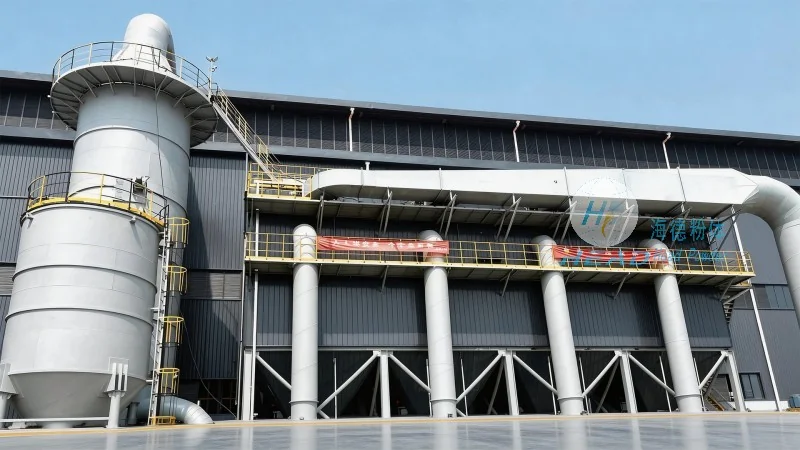
The operation process of the stone aggregate powder conveying system begins with the loading of the material into the hopper. The hopper is designed to accommodate a large volume of material and is equipped with a lid to prevent dust and contamination. Once the hopper is filled, the feeder is activated to regulate the flow of material into the conveyor. The feeder ensures that the material is released at a consistent rate, preventing overloading or underloading of the conveyor. The conveyor mechanism then transports the material from the hopper to the discharge outlet. In a screw conveyor system, for example, a rotating screw pushes the material forward, while in a pneumatic system, compressed air propels the material through a pipeline. The control panel monitors the system's performance, allowing operators to adjust parameters such as flow rate, pressure, and speed as needed. The discharge outlet is positioned at the end of the conveyor, where the material is collected and prepared for further processing or use.
Working Principle of the Stone Aggregate Powder Conveying System
The working principle of the stone aggregate powder conveying system is based on the principles of fluidization and mechanical transport. In a pneumatic conveying system, for instance, the material is suspended in a stream of air and transported through the pipeline. The air flow is controlled to maintain the material in a fluidized state, preventing it from settling or clogging the system. The pressure drop across the system is carefully managed to ensure that the material moves smoothly without excessive energy consumption. In a mechanical conveyor system, such as a screw or belt conveyor, the material is transported by the movement of the conveyor mechanism. The screw conveyor uses a rotating screw to push the material forward, while the belt conveyor uses a moving belt to carry the material. The working principle of these systems relies on the friction between the material and the conveyor surface, as well as the mechanical force applied by the conveyor mechanism.
Advantages of the Stone Aggregate Powder Conveying System
Stone aggregate powder conveying systems offer several advantages over traditional methods of material transport. These systems are highly efficient, as they can transport large volumes of material over long distances with minimal labor. They also reduce material loss and contamination, as the system is enclosed and sealed, preventing dust and debris from escaping. Additionally, the systems are easy to maintain and operate, with automated controls that allow for precise monitoring and adjustment. The use of advanced materials and engineering techniques ensures that the systems are durable and long-lasting, providing reliable performance for years to come.
Applications of the Stone Aggregate Powder Conveying System
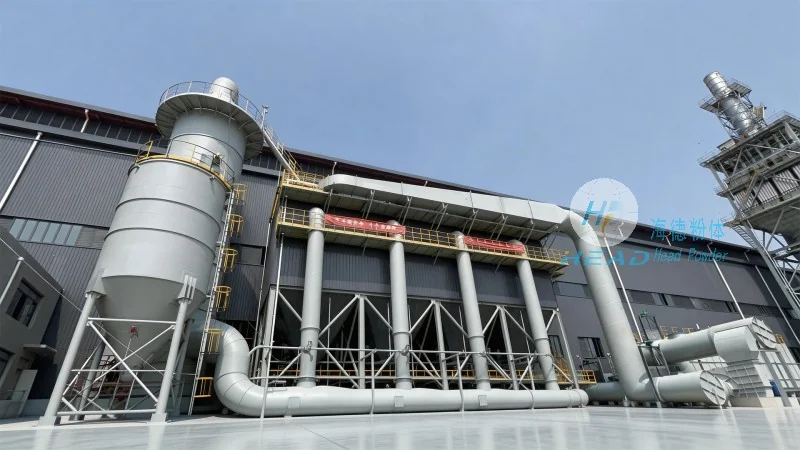
The stone aggregate powder conveying system is widely used in various industries, including construction, mining, and manufacturing. In the construction industry, these systems are used to transport cement, sand, and other aggregates to construction sites. In the mining industry, they are used to transport ore and other minerals from the mine to processing facilities. In the manufacturing industry, they are used to transport raw materials to production lines and finished products to storage areas. The versatility of the system makes it suitable for a wide range of applications, and its efficiency and reliability make it an essential component of modern industrial operations.
Conclusion
HeadPowder's stone aggregate powder conveying systems are designed to provide efficient, reliable, and cost-effective solutions for the transportation of bulk materials. The operation process and working principle of these systems are carefully engineered to ensure optimal performance and minimal downtime. By leveraging advanced technology and materials, the company has developed systems that meet the highest standards of safety, efficiency, and environmental compliance. As a leading provider of powder conveying solutions, HeadPowder continues to innovate and improve its products to meet the evolving needs of the industry.




