

Operation Process and Working Principle of Bentonite Pneumatic Conveying Machine
HeadPowder, a leading manufacturer based in Shandong, China, specializes in advanced material handling solutions. Among their product lineup is the Bentonite Pneumatic Conveying Machine, designed to efficiently transport bentonite—a crucial industrial material—throughout various production facilities. This article delves into the operational process and underlying working principles of this equipment, providing a comprehensive understanding for potential users and industry professionals.
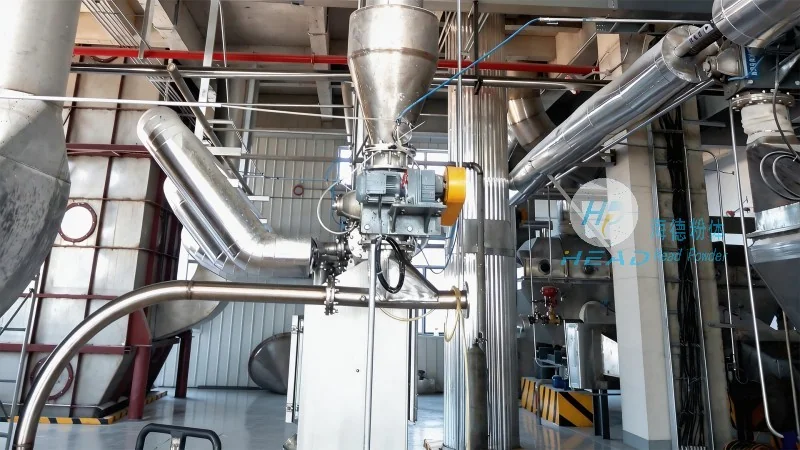
As a key player in the material handling sector, Shandong HeadPowder Engineering Co., Ltd. has established itself as a trusted provider of high-quality pneumatic conveying systems. With a strong commitment to innovation and reliability, the company’s products, including the Bentonite Pneumatic Conveying Machine, are engineered to meet the demanding requirements of modern industrial applications. The machine’s design and functionality are tailored to ensure optimal performance, safety, and efficiency in transporting bentonite, a material widely used in industries such as paper, foundry, and chemical processing.
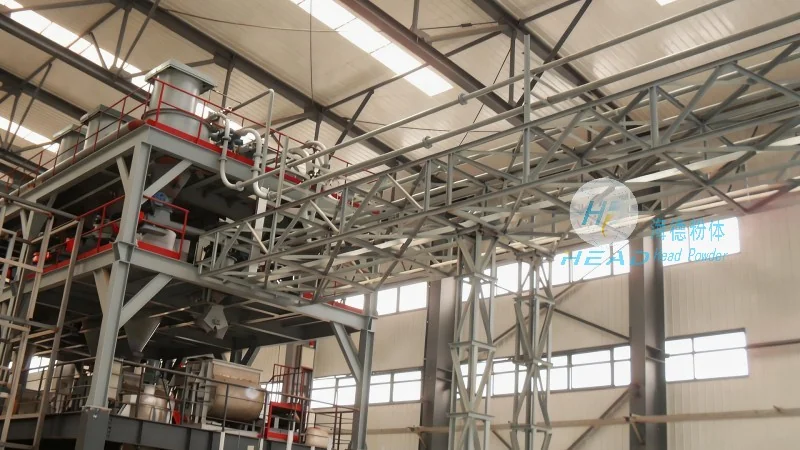
1. Operational Process of the Bentonite Pneumatic Conveying Machine
The operation of the Bentonite Pneumatic Conveying Machine involves a systematic sequence of steps that ensure the smooth and continuous transport of bentonite from the source to the destination. The process typically begins with the loading of the material into the hopper or feeding system. Once the material is loaded, the machine activates the air compressor, which generates the necessary air pressure to initiate the conveying operation. The compressed air then flows through the pipeline system, creating a flow that propels the bentonite particles through the ducts. The material is carried along the pipeline by the air stream, moving from the inlet to the outlet of the machine. At the receiving end, the bentonite is discharged into the designated container or processing unit. The entire process is controlled by the machine’s control system, which monitors parameters such as air pressure, flow rate, and material level to maintain optimal performance. This automated operation ensures consistent and reliable transport of bentonite, minimizing downtime and maximizing productivity. The machine’s design incorporates features like adjustable air flow control and material feed mechanisms, allowing operators to fine-tune the conveying process based on the specific characteristics of the bentonite being handled. This adaptability ensures that the machine can handle varying material loads and flow rates, making it suitable for diverse industrial applications.
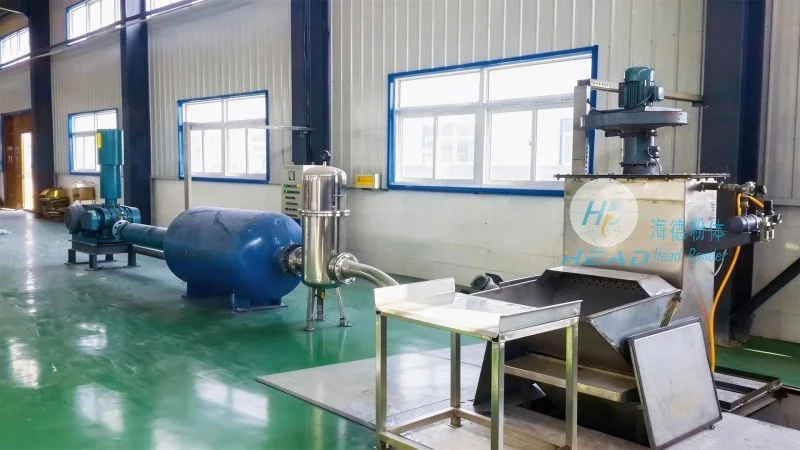
2. Working Principle of the Machine
The working principle of the Bentonite Pneumatic Conveying Machine is based on the fundamental concept of pneumatic conveying, which utilizes compressed air to transport bulk materials. The machine operates by creating a pressure differential between the inlet and outlet of the conveying system. The air compressor supplies high-pressure air, which is introduced into the hopper or feeding chamber. As the air flows through the pipeline, it entrains the bentonite particles, forming a slurry-like mixture. The air velocity within the pipeline is maintained at a level sufficient to keep the particles suspended and prevent deposition. The conveying process relies on the kinetic energy of the air to move the material, with the air pressure and flow rate being critical factors that determine the efficiency of the transport. The machine’s design includes features such as air filters, moisture separators, and pressure regulators to ensure the quality of the air and the purity of the conveyed material. These components help maintain the integrity of the bentonite and prevent contamination, which is essential for its use in various industrial applications. The system also incorporates safety features, such as pressure relief valves and emergency shut-off mechanisms, to protect the equipment and personnel from potential hazards. This ensures that the machine operates within safe parameters and can be quickly shut down in case of an emergency, enhancing operational safety and reliability.