

Principle and Working Scene Characteristics of Air-Pneumatic Conveying Line for Electrode Raw Materi
In industrial material handling, especially within the electrode raw material processing sector, the air-pneumatic conveying line for purification ash offers a sophisticated solution for transporting fine powders and ash residues. This system ensures efficient, clean, and effective material flow, addressing the unique challenges of handling abrasive and dusty materials. The following sections explore the fundamental principles behind this technology and examine the specific working scene characteristics that make it a preferred choice for modern industrial applications.
Core Principle of Air-Pneumatic Conveying Technology
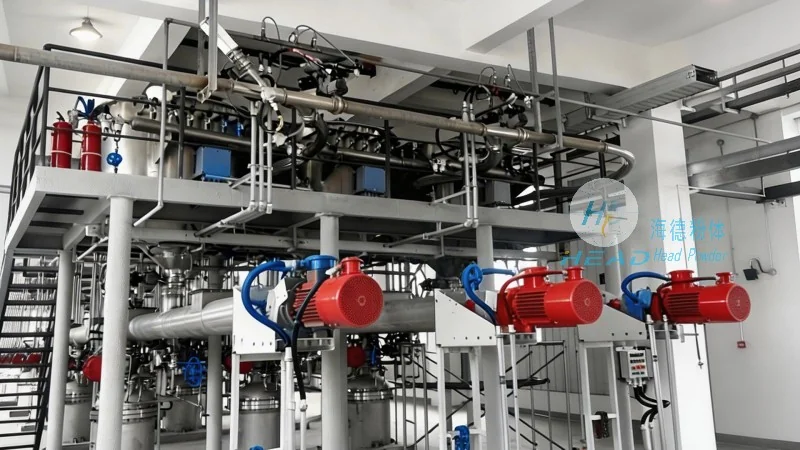
The air-pneumatic conveying line operates on the principle of utilizing compressed air as a carrier medium to transport bulk materials through a pipeline system. For electrode raw material purification ash, this method involves generating a controlled air stream that propels ash particles from the source to the destination. The system typically comprises several key components: a feeder, conveying pipe, separator, and receiver. The feeder regulates the ash feed rate into the pipeline, while the compressed air provides the necessary force for movement. The separator (often a cyclone or bag filter) separates the ash from the air stream, ensuring the material is delivered to the receiver without contamination. This process minimizes mechanical wear and reduces operational costs compared to traditional methods like belt conveyors or bucket elevators. The physics of fluid dynamics underpins the system, enabling efficient transport of fine particles that are otherwise difficult to handle with conventional equipment.
Key Components and Their Functional Roles
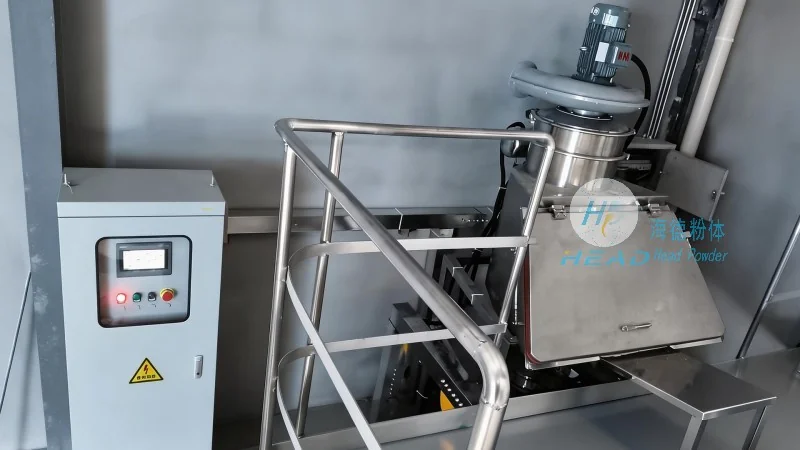
Each component of the air-pneumatic conveying line is critical to the system's efficiency and reliability. The feeder ensures consistent material flow, preventing blockages and maintaining a steady rate of ash introduction. The conveying pipe, usually constructed from stainless steel or corrosion-resistant materials, withstands the abrasive nature of the ash and the pressure of the compressed air. The separator is vital for air-ash separation, with options like cyclones or filters ensuring clean material delivery. The receiver, typically a hopper or storage tank, collects the ash and may include discharge valves for controlled release. The system also includes a blower or compressor to generate air pressure and a control system to regulate flow and pressure. These components work in tandem to create a seamless, low-maintenance material handling process.
Working Scene Characteristics: Industrial Applications and Advantages
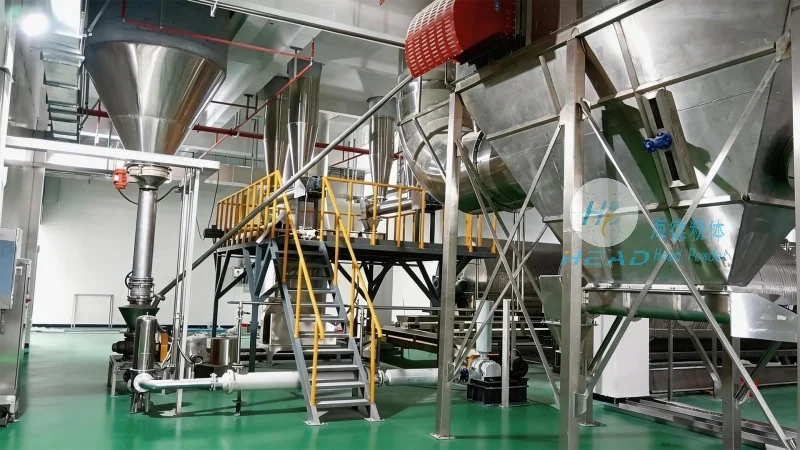
The air-pneumatic conveying line is particularly suited for industrial environments with space constraints and precise material handling needs. A primary characteristic is its ability to handle fine, dusty materials without generating excessive dust, enhancing workplace safety and compliance with environmental regulations. This is especially valuable in electrode raw material facilities where dust can be hazardous and require stringent controls. Another key characteristic is the system's layout flexibility, allowing customization to fit existing plant infrastructure. This adaptability enables integration with multiple processing equipment or handling of diverse material streams. The closed-loop operation minimizes material loss and environmental impact, making it an eco-friendly choice. Additionally, the system offers cost-effectiveness compared to traditional methods, reducing maintenance needs and energy consumption for high-volume material transport.
Operational Benefits and Practical Considerations
Implementing this air-pneumatic conveying system provides several operational advantages. The ability to handle abrasive materials without component wear extends equipment lifespan and reduces maintenance frequency. Automation through the control system ensures consistent performance, minimizing human error and improving efficiency. Practical considerations include proper air filtration to manage dust and maintaining pressure differentials. The system must be tailored to the ash's specific properties—particle size, moisture content, and density—to ensure optimal operation. Careful layout planning is essential to avoid obstructions or air stream disruptions that could cause blockages. Regular maintenance of the separator and blower is crucial for sustained performance and longevity.
Conclusion: Role in Modern Industrial Processing
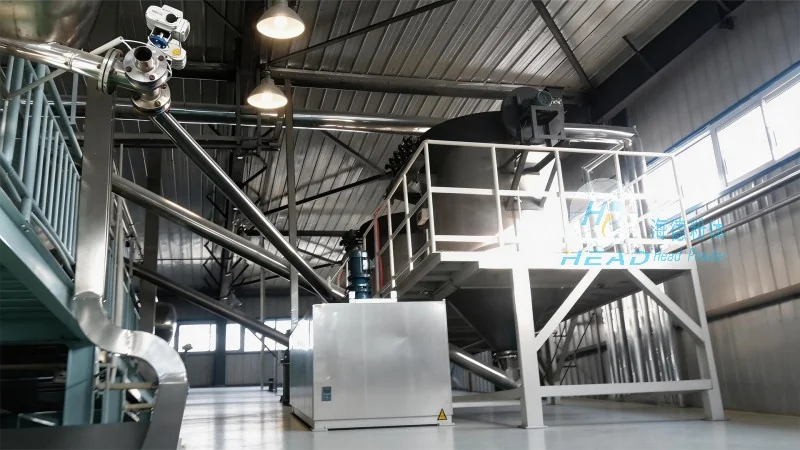
In summary, the air-pneumatic conveying line for electrode raw material purification ash is a sophisticated and efficient solution for material handling in industrial settings. Its core principle of compressed air transport, combined with key components and working scene characteristics, makes it a preferred choice for many applications. The system offers benefits like reduced maintenance, enhanced safety, and operational efficiency. As industrial processes evolve, the demand for reliable material handling solutions will grow, and this technology remains a viable option for managing electrode raw material purification ash. Its adaptability and cost-effectiveness position it as a valuable asset for facilities seeking to optimize material handling processes and improve overall operational performance.