

Principles and Working Scene Characteristics of Polyolefin Material Pneumatic Conveying Equipment
For industrial applications involving polyolefin materials, efficient material handling is crucial. Pneumatic conveying systems offer a reliable solution for transporting these materials, which are widely used in various sectors such as plastics manufacturing, chemical processing, and packaging. The equipment designed for polyolefin material handling must be robust, efficient, and capable of maintaining material integrity during transport. This article explores the fundamental principles behind polyolefin material pneumatic conveying equipment and highlights key working scene characteristics that define its practical applications.
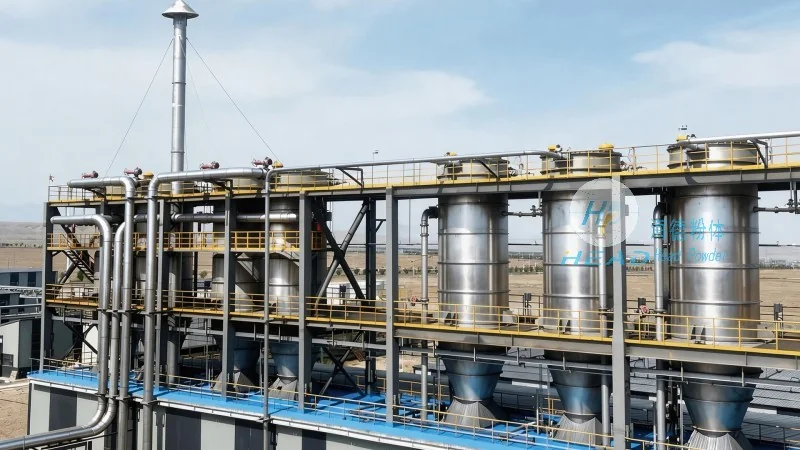
Principles of Pneumatic Conveying for Polyolefin Materials
The core principle of pneumatic conveying is the use of air or gas to move bulk materials through a pipeline system. For polyolefin materials, which include polymers like polyethylene (PE) and polypropylene (PP), the system typically operates under either suction (or vacuum) or pressure. In suction systems, a vacuum is created at the material inlet to draw the polyolefin particles into the pipeline. The air flow then carries the material to the discharge point. Pressure systems, on the other hand, use compressed air to push the material through the pipeline. Both methods are effective, but the choice depends on factors such as material properties, distance, and system design. The equipment must be designed to handle the specific characteristics of polyolefin materials, including their density, flowability, and potential for static charge accumulation. For instance, polyolefins are often lightweight and can be prone to static, which requires proper grounding and anti-static measures in the conveying system to prevent material buildup or sparks.
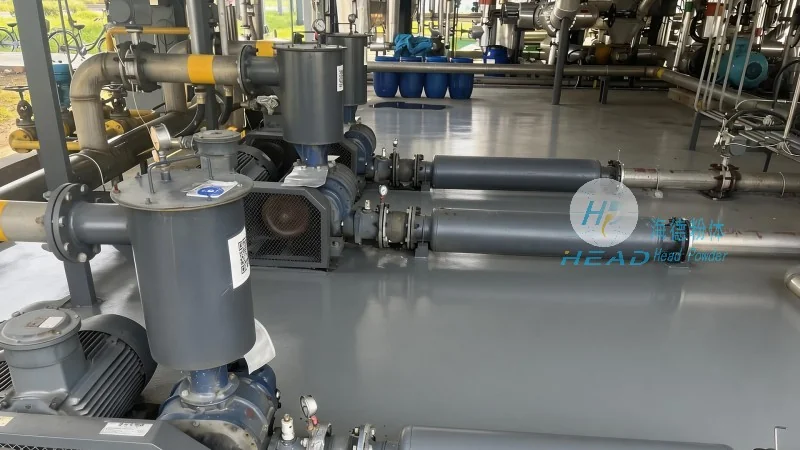
Key Working Scene Characteristics of Polyolefin Pneumatic Conveying Equipment
The working scene characteristics of polyolefin material pneumatic conveying equipment are shaped by the specific demands of industrial environments. One primary characteristic is the need for high efficiency in material transport, especially in large-scale production facilities where continuous material flow is essential. The equipment must be capable of handling high volumes of polyolefin materials without significant loss or degradation. This efficiency is achieved through optimized air flow rates, appropriate pipeline diameters, and effective separation systems to prevent material blockages or clogging. Another characteristic is the adaptability to different processing stages. In a typical polyolefin production line, the conveying equipment may be used to transport raw materials from storage to processing units, or to move finished products from processing to packaging. The versatility of the system allows it to integrate seamlessly with existing production workflows, reducing downtime and improving overall operational efficiency.
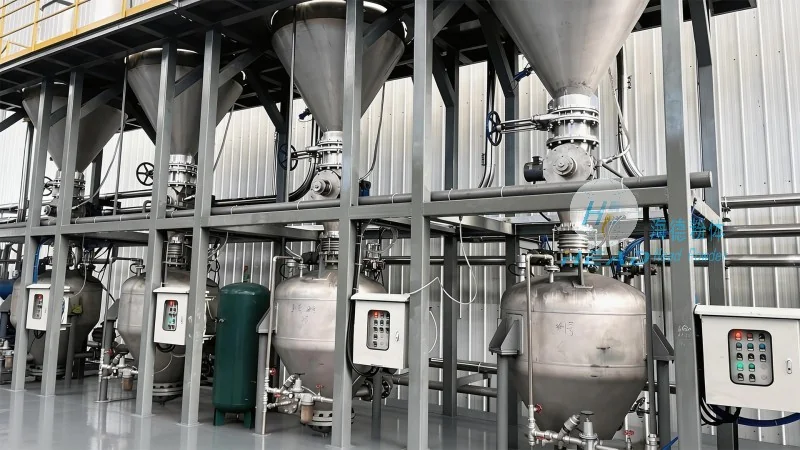
Applications and Industry Integration
Polyolefin material pneumatic conveying equipment is widely used across various industries due to its flexibility and effectiveness. In the plastics industry, for example, it is commonly employed to transport raw polyolefin pellets from silos to extrusion machines, ensuring a steady supply of material for manufacturing processes. The equipment's ability to handle fine powders or granules without degradation makes it suitable for applications where material quality is critical. In chemical processing, polyolefin materials may be used as additives or components in larger chemical formulations, and the conveying system ensures precise and controlled delivery of these materials. The working scene characteristics also include the need for cleanliness and hygiene, particularly in food or pharmaceutical applications where polyolefin materials are used as packaging components. The equipment must be designed to prevent contamination and maintain a sterile environment, which is achieved through materials like stainless steel construction and proper sealing mechanisms.
Technical Considerations and Maintenance
When implementing polyolefin material pneumatic conveying equipment, several technical considerations are essential for optimal performance. The system design must account for the specific properties of polyolefin materials, such as their low density and potential for static charge. Proper grounding and anti-static measures are critical to prevent material buildup and ensure safe operation. Additionally, the equipment must be capable of handling variations in material flow, such as changes in bulk density or moisture content, which can affect the conveying efficiency. Regular maintenance is also crucial to ensure the longevity and reliability of the system. This includes cleaning the pipelines to prevent material accumulation, checking air flow rates, and inspecting components like valves and filters for wear and tear. By addressing these technical aspects, the equipment can operate efficiently and maintain the quality of the polyolefin materials being transported.
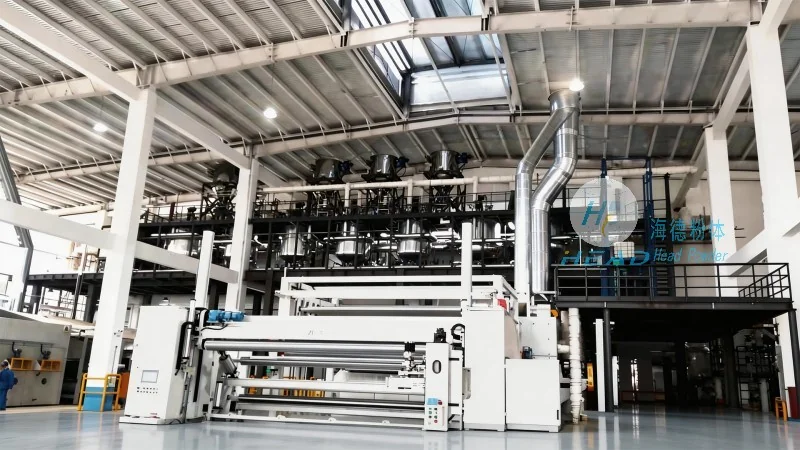
Conclusion
Polyolefin material pneumatic conveying equipment plays a vital role in modern industrial operations, providing an efficient and reliable method for handling these essential materials. The principles of pneumatic conveying, combined with the working scene characteristics tailored to polyolefin materials, ensure that the equipment meets the demands of various industrial applications. By understanding the technical aspects and maintenance requirements, industries can leverage this technology to enhance their production processes and maintain material quality. As a leading provider in this field, Shandong HeadPowder Engineering Co., Ltd. specializes in designing and manufacturing high-quality polyolefin material pneumatic conveying systems that meet the specific needs of different industries, ensuring optimal performance and durability.