Shandong HeadPowder Engineering Co., Ltd., a leading enterprise based in Shandong, China, specializes in the design, manufacturing, and supply of advanced pneumatic conveying systems tailored for various industrial applications. The company's expertise lies in developing efficient and reliable equipment for handling bulk materials, with a particular focus on wool processing and related industries. This article delves into the fundamental principles behind wool material pneumatic conveying systems and explores the key characteristics of their operational scenarios.
Principle of Pneumatic Conveying for Wool Materials
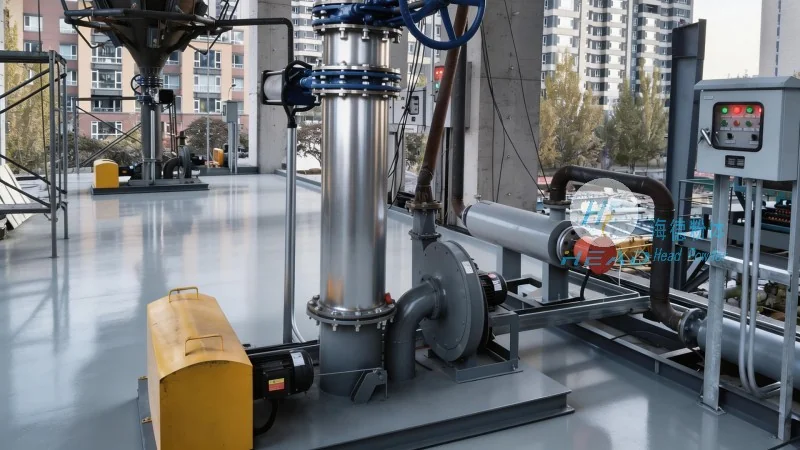
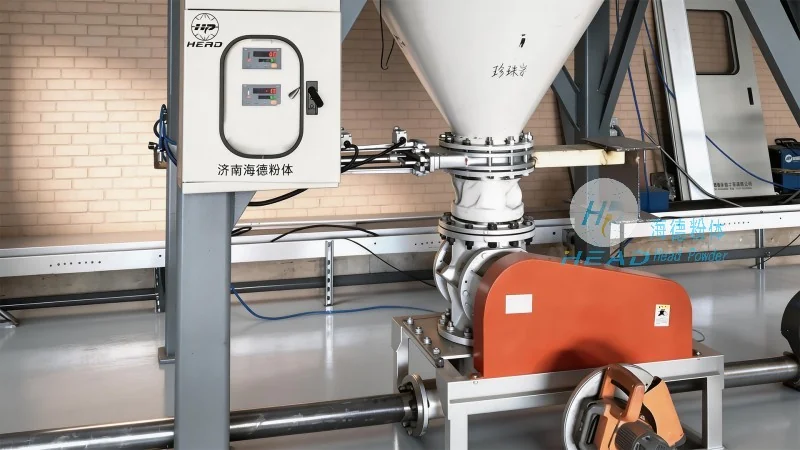
The core principle of pneumatic conveying in wool processing involves the use of air or gas to transport loose, dry, or slightly moist wool fibers from one location to another. Unlike traditional mechanical conveying methods, which rely on belts, buckets, or screw conveyors, pneumatic systems utilize pressure differentials or vacuum to move materials through a pipeline network. For wool, which is often delicate and prone to static electricity, the design of the conveying system must prioritize gentle handling and minimal material degradation. The system typically consists of a feeding hopper, a conveyor line (often equipped with special wool-compatible materials like stainless steel or food-grade plastics), and a discharge unit. The air flow is controlled by a blower or compressor, which generates the necessary pressure to move the wool particles through the pipeline. The velocity of the air and the size of the particles are carefully balanced to ensure efficient transport while preventing blockages or damage to the wool fibers. This principle allows for a clean, dust-free, and hygienic transfer of wool, which is crucial for maintaining the quality of the final product in textile manufacturing.
Key Working Scene Characteristics
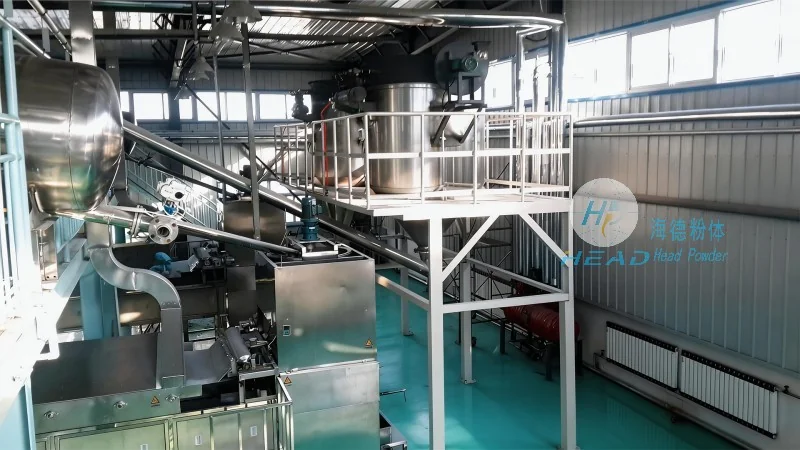
The operational characteristics of wool material pneumatic conveying systems are defined by several critical factors that influence their performance and suitability for different industrial settings. First, the system's ability to handle varying particle sizes and moisture content is essential. Wool fibers can range from fine to coarse, and their moisture levels may fluctuate based on environmental conditions or processing stages. The conveying equipment must be designed to accommodate these variations without compromising efficiency. Second, the system's capacity and flow rate are critical for meeting production demands. In large-scale wool processing facilities, high-volume conveying is necessary to ensure smooth operations and timely delivery of raw materials to spinning or weaving machines. The design of the blower and pipeline diameter is optimized to achieve the required flow rates, often measured in cubic meters per hour or tons per hour. Third, the system's energy efficiency is a significant consideration. Pneumatic conveying can be more energy-intensive than mechanical methods, but modern designs incorporate energy-saving features such as variable frequency drives (VFDs) and optimized air flow control to reduce operational costs. Fourth, the system's maintenance requirements and durability are important for long-term reliability. Wool fibers can be abrasive and may cause wear on the pipeline and components over time. Therefore, the use of high-quality materials, such as stainless steel or specialized coatings, is essential to extend the service life of the equipment and minimize downtime. Finally, the system's integration with other processing equipment is crucial for seamless workflow. The conveying system must be compatible with the existing infrastructure of the wool processing plant, including hoppers, storage silos, and downstream machinery like carding machines or combing units. This integration ensures that the wool is transferred efficiently from one stage of processing to the next, without manual handling or intermediate storage.
Application Scenarios and Industry Benefits
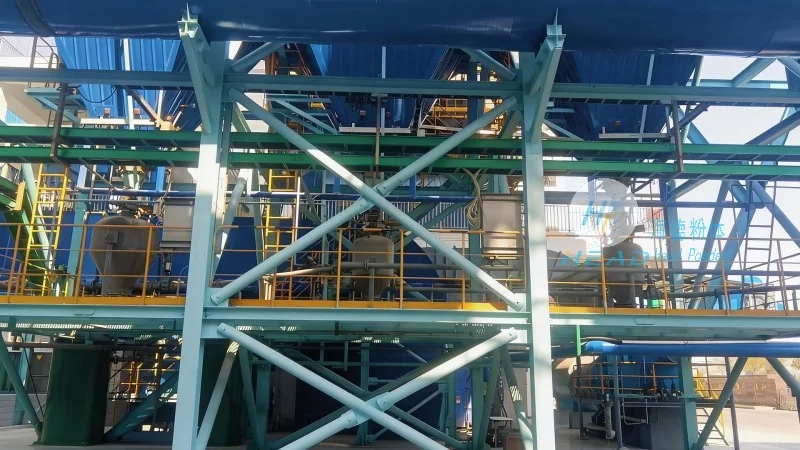
Wool material pneumatic conveying systems are widely used in various stages of wool processing, from raw material handling to finished product preparation. One common application is the transport of raw wool from storage silos or bales to the carding or combing machines, where the fibers are prepared for spinning. The pneumatic system allows for a continuous, automated transfer of wool, reducing the need for manual labor and minimizing the risk of contamination or fiber loss. Another application is the transfer of processed wool, such as combed or carded fibers, to the spinning machines. In this scenario, the system ensures a consistent flow of material, which is essential for maintaining the quality and uniformity of the yarn produced. Additionally, the system can be used for the transport of wool waste or byproducts from the processing line to waste management facilities. The key benefits of using pneumatic conveying for wool materials include improved efficiency, reduced labor costs, enhanced product quality, and better workplace safety. By eliminating manual handling and dust exposure, the system minimizes the risk of injury and improves the overall working environment. Furthermore, the clean and hygienic nature of pneumatic conveying is particularly important in the textile industry, where product quality and compliance with industry standards are paramount. The system's ability to handle delicate fibers without damage also contributes to higher yields and lower material losses, which can significantly impact the profitability of wool processing operations.




