When it comes to transporting bulk materials like sodium chloride powder, pneumatic conveying systems have emerged as a highly efficient and versatile solution. These systems utilize air or gas to move powders through pipelines, offering advantages such as minimal product contamination, the ability to handle abrasive or sensitive materials, and the capacity to operate in various industrial settings. Understanding the principle behind sodium chloride powder pneumatic conveying, along with its specific working scene characteristics, is crucial for selecting the right equipment for your operations.
Principle of Sodium Chloride Powder Pneumatic Conveying
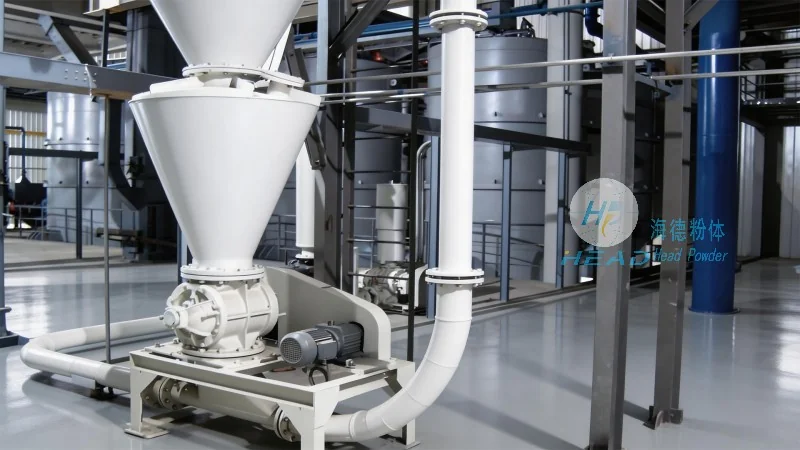
The core principle of pneumatic conveying for sodium chloride powder involves the use of air pressure to transport the material. There are two primary types of pneumatic conveying systems: positive pressure and negative pressure. In positive pressure systems, air is blown into the conveying line, creating a pressure higher than the ambient air, which propels the powder forward. Negative pressure systems, on the other hand, create a vacuum in the line, drawing the powder into the system. For sodium chloride, which is a fine, non-combustible powder, positive pressure systems are often preferred due to their ability to handle high material loads and maintain consistent flow rates. The system typically consists of a hopper for material storage, a feeder to control the flow rate, a conveying line, and a receiver for the material at the destination. The air flow rate and pressure are carefully regulated to ensure the powder is transported without clogging or degradation. This method ensures that the sodium chloride remains in a dry, free-flowing state, which is essential for maintaining its quality and preventing clumping or moisture absorption.
Working Scene Characteristics of Sodium Chloride Powder Pneumatic Conveying Equipment
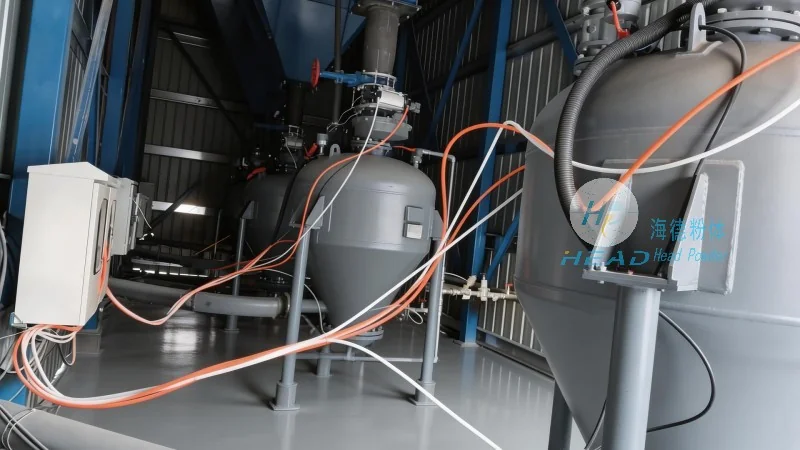
The working scene characteristics of sodium chloride powder pneumatic conveying equipment are shaped by the specific demands of industrial applications. These characteristics include the ability to handle large volumes of material efficiently, the flexibility to transport materials over long distances, and the adaptability to different processing environments. In chemical manufacturing plants, for instance, such equipment is used to move sodium chloride from storage silos to reaction vessels or packaging lines. The system's ability to operate in a closed loop minimizes dust emissions and ensures compliance with environmental regulations. In food processing facilities, the hygienic design of the equipment is critical, as it must meet food safety standards while maintaining the purity of the sodium chloride. The equipment is often constructed from stainless steel and other corrosion-resistant materials to prevent contamination and ensure durability. Additionally, the system's control mechanisms allow for precise regulation of material flow, which is vital for maintaining consistent product quality and reducing waste. The working scene also includes considerations for space constraints and integration with existing production lines. The compact design of modern pneumatic conveying systems makes them suitable for installations in confined areas, and their modular components enable easy integration with other processing equipment. This adaptability is particularly important in industries where production processes are frequently modified or scaled up.
Application Scenarios and Operational Advantages
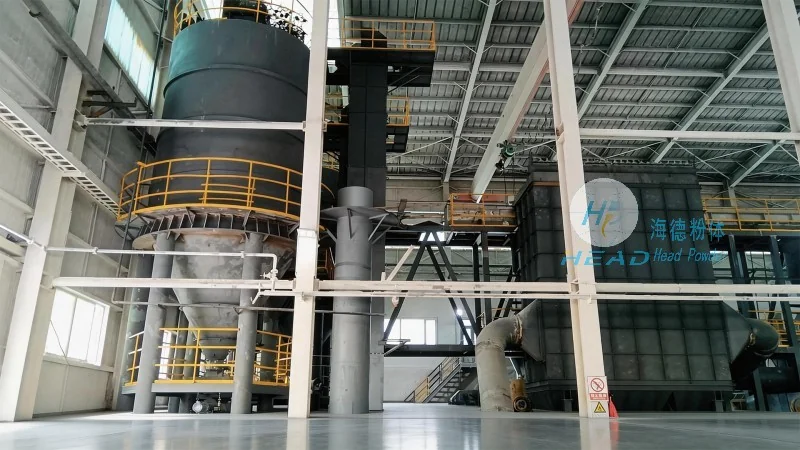
Sodium chloride powder pneumatic conveying equipment finds applications in a wide range of industries, including chemical, food, pharmaceutical, and water treatment. In the chemical industry, it is used to transport raw materials and finished products, such as table salt or industrial-grade sodium chloride, between processing stages. The system's ability to handle abrasive materials without causing wear and tear on the equipment is a key advantage. In the food industry, the hygienic and sanitary design of the equipment is paramount, as it must comply with regulations like FDA and HACCP. The system's closed-loop operation prevents cross-contamination and maintains the purity of the product. In pharmaceutical applications, the equipment is used to transport active ingredients or excipients, where the risk of contamination is extremely high. The system's ability to operate under sterile conditions, with filtered air and sealed components, ensures that the sodium chloride remains free from contaminants. The operational advantages of pneumatic conveying for sodium chloride also include reduced labor costs, as the system can operate continuously with minimal human intervention. Maintenance is also simplified, as the equipment has fewer moving parts compared to mechanical conveying systems, such as belt conveyors or screw conveyors. This leads to lower maintenance costs and higher uptime. Furthermore, the system's ability to handle varying material flow rates allows for flexible production schedules, enabling manufacturers to adapt to changing market demands. The energy efficiency of modern pneumatic conveying systems is another significant advantage, as they can operate with lower air pressure and flow rates compared to older systems, reducing energy consumption and operational costs.
Technical Considerations and System Design
When designing a sodium chloride powder pneumatic conveying system, several technical considerations must be taken into account to ensure optimal performance and longevity. The first consideration is the particle size and density of the sodium chloride powder. Fine powders, such as those with a particle size below 100 microns, may require higher air velocities to prevent clogging and ensure smooth transport. The system's design must account for the material's flow properties, including its angle of repose and bulk density, to determine the appropriate hopper design and feeder type. The choice of conveying line material is also critical, as it must be resistant to corrosion and wear from the sodium chloride powder. Stainless steel is commonly used for its durability and resistance to chemical attack. The system's control system plays a vital role in maintaining consistent operation. Advanced control systems use sensors to monitor air pressure, flow rate, and material level, adjusting the system parameters in real-time to prevent issues such as overloading or underflow. The receiver design is another important factor, as it must be able to handle the material's characteristics and prevent dust accumulation. Proper dust collection and filtration systems are essential to maintain air quality and comply with environmental regulations. The system's scalability is also a key consideration, as it must be able to handle increasing material volumes as production scales up. Modular design allows for easy expansion of the system without disrupting existing operations. The integration of safety features, such as pressure relief valves and emergency shut-off systems, is also necessary to ensure the system operates safely in industrial environments. These features protect both the equipment and personnel from potential hazards, such as overpressure or material spills.
Conclusion and Company Overview
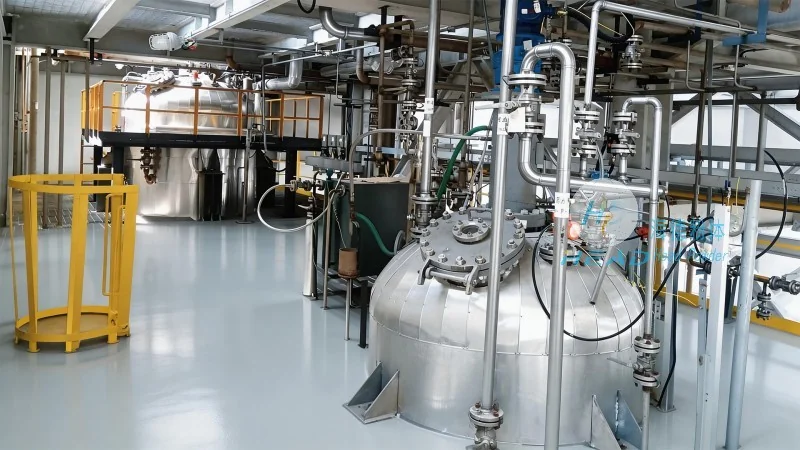
Sodium chloride powder pneumatic conveying equipment offers a reliable and efficient solution for transporting bulk materials in various industrial applications. The principle of using air pressure to move the powder, combined with the working scene characteristics that adapt to different operational needs, makes it a versatile choice for industries ranging from chemical manufacturing to food processing. The operational advantages, including minimal contamination, high efficiency, and low maintenance, contribute to its widespread adoption. As technology advances, modern pneumatic conveying systems continue to improve, with features such as automated control and energy-efficient designs enhancing their performance. For companies seeking to optimize their sodium chloride powder handling processes, investing in a well-designed pneumatic conveying system is a strategic decision that can lead to improved productivity and product quality. HeadPowder Engineering Co., Ltd., based in Shandong, China, specializes in the design, manufacturing, and supply of such equipment, providing tailored solutions to meet the specific needs of their clients. With a focus on quality and innovation, HeadPowder Engineering Co., Ltd. has established itself as a trusted partner in the industrial equipment sector, helping businesses enhance their operational efficiency and achieve their production goals.




