For agricultural and food processing industries, the efficient handling of corn kernels is crucial for maintaining product quality and operational efficiency. The corn kernels material handling system, developed by Shandong HeadPowder Engineering Co., Ltd., is designed to address the specific challenges associated with transporting and processing this type of material. This system integrates advanced engineering principles and practical application scenarios to ensure reliable and effective material movement in various industrial settings.
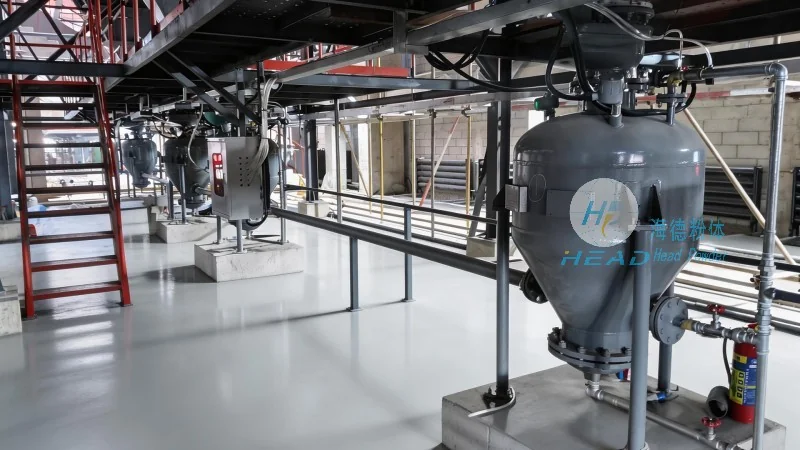
Principle of Operation for the Material Handling System
The core principle of the corn kernels material handling system is based on the use of specialized equipment that can handle the unique physical properties of corn kernels, such as their size, shape, and moisture content. The system typically includes components like conveyor belts, pneumatic conveying systems, and storage silos, all working in tandem to move the material from one location to another. The design focuses on minimizing material degradation, ensuring consistent flow rates, and optimizing energy consumption. By leveraging mechanical and pneumatic technologies, the system achieves a high level of automation, reducing the need for manual intervention and enhancing overall operational safety.
Key Components and Their Functions
The corn kernels material handling system consists of several key components, each playing a vital role in the material transport process. The primary components include: (1) Inlet Hoppers and Feeders: These devices are responsible for receiving the corn kernels from the source and feeding them into the system at a controlled rate. The hoppers are designed to prevent material buildup and ensure a steady flow, while the feeders adjust the material volume based on system requirements. (2) Conveyor Systems: Depending on the application, the system may use belt conveyors, screw conveyors, or bucket elevators. Belt conveyors are ideal for long-distance horizontal transport, screw conveyors for vertical or inclined movement, and bucket elevators for high-capacity vertical lifting. These conveyors are equipped with adjustable speed controls and protective guards to maintain safety and efficiency. (3) Pneumatic Conveying Units: For applications requiring dust-free or low-pressure transport, pneumatic systems are employed. These units use air to move the corn kernels through pipes, reducing the risk of contamination and enabling flexible routing. The system includes air filters, pressure regulators, and dust collection systems to maintain air quality and prevent material loss. (4) Storage Silos and Bins: The system may include storage silos for temporary or long-term storage of the corn kernels. These silos are constructed from durable materials, such as stainless steel or reinforced concrete, to prevent corrosion and maintain product integrity. The silos are equipped with level indicators and discharge valves to monitor and control the material level. (5) Control Panels and Sensors: Modern material handling systems are equipped with advanced control panels that allow operators to monitor and adjust the system parameters in real-time. Sensors, including level sensors, flow sensors, and temperature sensors, provide critical data to ensure the system operates within optimal conditions. The control system may include programmable logic controllers (PLCs) and human-machine interfaces (HMIs) for enhanced automation and user interaction.
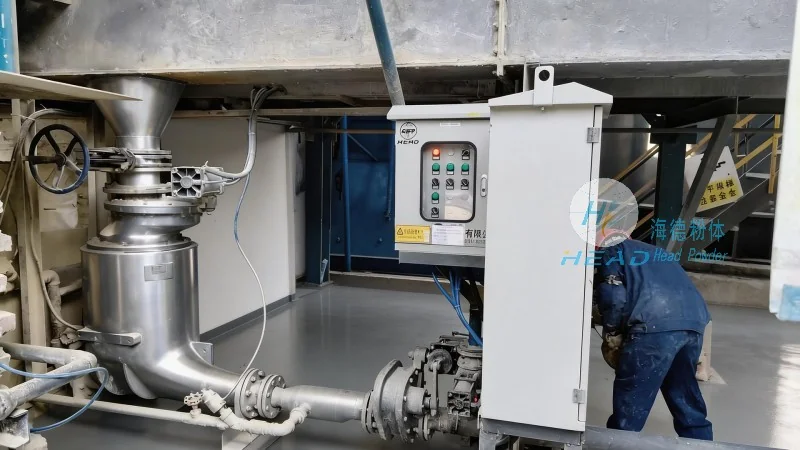
Working Scene Characteristics and Applications
The corn kernels material handling system is designed to operate in various industrial scenarios, each with specific requirements and challenges. The working scene characteristics include: (1) Agricultural Processing Facilities: In corn processing plants, the system is used to transport raw corn kernels from the field to the processing line. The system handles large volumes of material, often in bulk, and ensures a continuous supply of raw material for processing. The system is typically integrated with cleaning and grading equipment to remove impurities before the kernels are conveyed to the next stage. (2) Food Manufacturing Plants: In food processing facilities, the system is used to transport processed corn kernels for further processing, such as milling, grinding, or extrusion. The system maintains the quality of the material by minimizing exposure to air and moisture, preventing spoilage and maintaining product consistency. The system may include temperature-controlled conveyors to preserve the freshness of the kernels. (3) Grain Storage and Handling Centers: In grain storage facilities, the system is used to move corn kernels between storage silos and processing equipment. The system ensures efficient inventory management by controlling the flow of material and preventing overstocking or understocking. The system may include automated sorting and weighing systems to optimize the handling process. (4) Animal Feed Production Plants: In animal feed manufacturing, the system is used to transport corn kernels as a key ingredient in feed formulation. The system handles the material in bulk and ensures consistent mixing with other ingredients, such as soybeans or wheat. The system may include mixing and blending equipment to create uniform feed batches. (5) Industrial Chemical Processing Plants: In some industrial applications, corn kernels are used as a raw material for biofuel or chemical production. The system is used to transport the kernels to the processing units, where they are converted into ethanol or other chemical products. The system ensures a steady supply of raw material to maintain production efficiency.
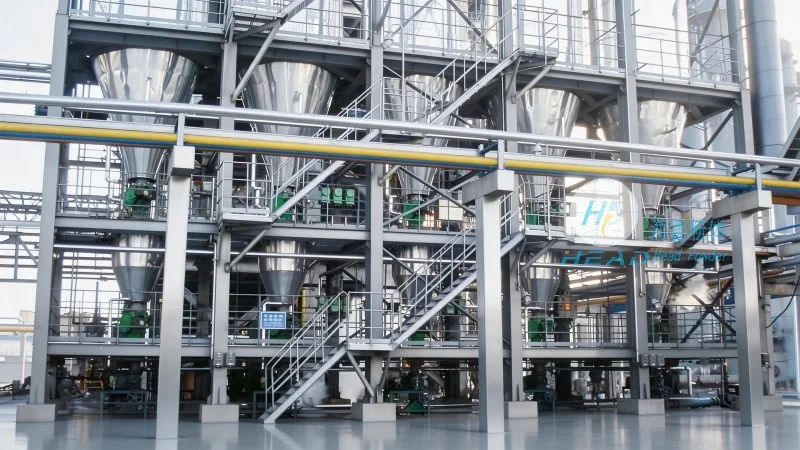
Advantages and Benefits of the System
The corn kernels material handling system offers several advantages and benefits that make it an ideal solution for various industrial applications. The key benefits include: (1) Increased Efficiency: The system automates the material handling process, reducing the time and labor required for manual transport. This leads to higher production rates and improved operational efficiency. (2) Improved Product Quality: By minimizing material handling and exposure to contaminants, the system maintains the quality and freshness of the corn kernels. This ensures consistent product quality and reduces waste. (3) Enhanced Safety: The system is designed with safety features, such as protective guards, emergency stop buttons, and automated controls, to prevent accidents and ensure operator safety. (4) Cost-Effective: The system reduces labor costs and minimizes material loss, resulting in lower operational expenses. The use of durable materials and efficient design also reduces maintenance costs over the system's lifespan. (5) Flexibility and Scalability: The system can be customized to meet the specific needs of different applications, and it can be scaled up or down to accommodate changes in production volume. This flexibility allows the system to adapt to changing market demands and operational requirements. (6) Environmental Sustainability: The system reduces the environmental impact of material handling by minimizing dust emissions and energy consumption. The use of energy-efficient components and recycling of materials contributes to a more sustainable operation.
Conclusion and Company Information
Shandong HeadPowder Engineering Co., Ltd. provides comprehensive solutions for corn kernels material handling systems, combining advanced technology with practical application expertise. The system is designed to meet the specific needs of various industries, ensuring efficient, safe, and cost-effective material transport. With a focus on quality and innovation, the company delivers reliable equipment that enhances operational performance and product quality. Based in Shandong, China, Shandong HeadPowder Engineering Co., Ltd. is committed to providing high-quality material handling solutions that meet the evolving needs of the agricultural and food processing industries.




