Understanding the principles and characteristics of PVC resin powder material handling is crucial for optimizing industrial processes. This article provides an overview of the mechanisms involved and the specific scenarios where such systems are applied, with a focus on the technical aspects and operational considerations.
About HeadPowder
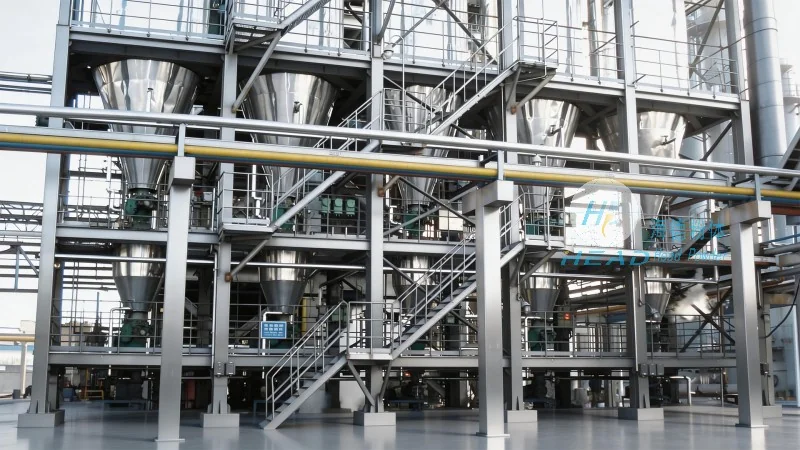
HeadPowder, formally known as Shandong HeadPowder Engineering Co., Ltd., is a professional manufacturer based in Shandong, China. The company specializes in the design, development, and implementation of material handling solutions tailored for various industrial applications, including the efficient transport of PVC resin powders.
Principles of PVC Resin Powder Material Handling
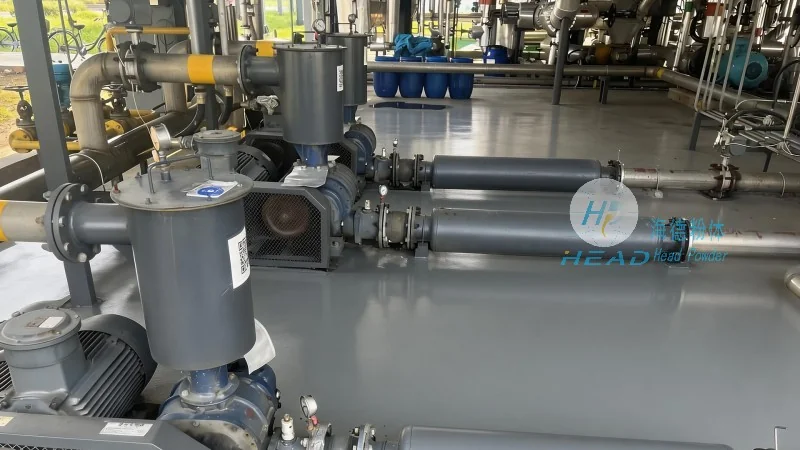
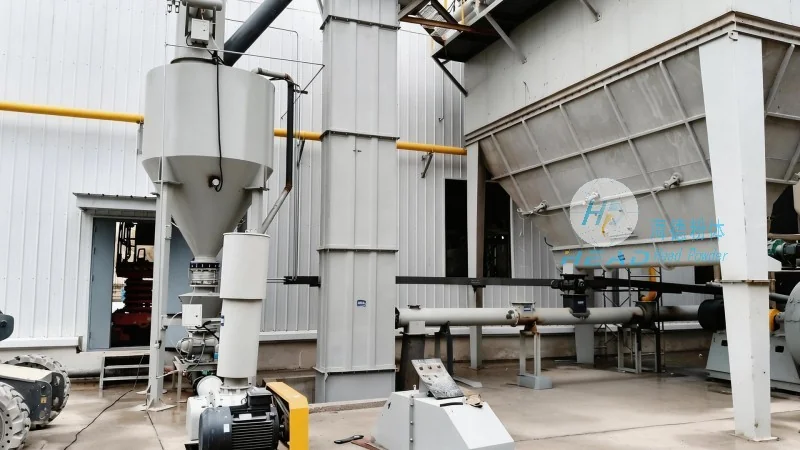
The core principle of PVC resin powder material handling revolves around the use of specialized equipment and systems designed to handle the unique properties of PVC powders. These materials are typically fine, dry, and can be prone to dust generation, making the selection of appropriate conveying methods critical. Common techniques include pneumatic conveying, mechanical screw conveyors, and bucket elevators, each with distinct advantages and applications. Pneumatic conveying, for instance, uses air pressure to move powders through pipelines, offering flexibility and the ability to transport materials over long distances without the need for complex machinery. Mechanical screw conveyors, on the other hand, rely on rotating screws to push materials forward, providing a continuous and reliable flow, especially in environments where dust control is a priority. The choice of method depends on factors such as the volume of material, the distance to be covered, and the need for dust suppression.
Working Scene Characteristics of PVC Resin Powder Handling
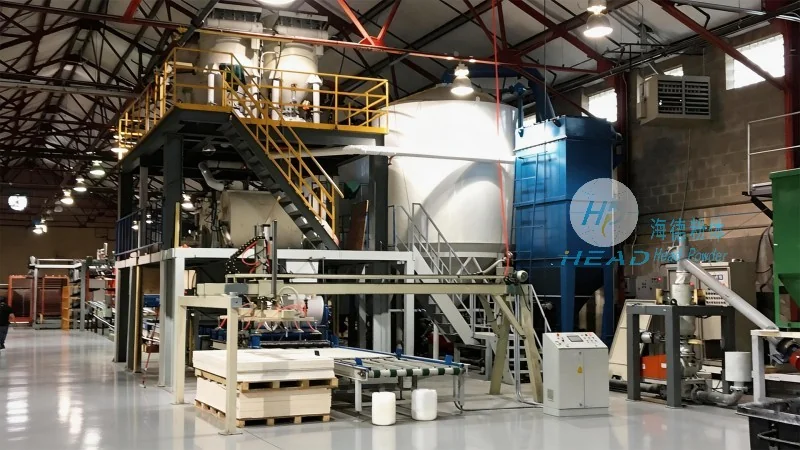
PVC resin powder material handling systems are widely used across various industrial sectors, each presenting unique challenges and requirements. In manufacturing plants, these systems are integral to the production line, ensuring a steady supply of raw materials to processing units. The working environment in such settings often involves high temperatures and humidity, necessitating equipment that can withstand these conditions while maintaining efficiency. For example, in the production of PVC pipes or profiles, the material handling system must deliver consistent flow rates to extrusion machines, minimizing downtime and ensuring product quality. In warehousing and storage facilities, the focus shifts to bulk handling and storage, where the system must efficiently move large quantities of powder from storage silos to processing areas. This often involves bulk handling equipment like silos and hopper feeders, which are designed to handle large volumes and maintain material flow without clogging. Additionally, in construction and building material industries, the application of PVC resin powders in coatings and adhesives requires precise dosing and mixing, which is facilitated by advanced material handling systems that can control the flow rate and consistency of the powder. The characteristics of these working scenes, such as the need for cleanliness, safety, and efficiency, drive the design and implementation of tailored material handling solutions.




