Quicklime, also known as calcium oxide (CaO), is a widely used industrial material in various sectors such as construction, chemical manufacturing, and environmental treatment. The efficient and reliable transportation of quicklime powder is crucial for industrial processes, and the quicklime powder conveying system equipment plays a vital role in achieving this. This article will explore the fundamental principles behind these systems and highlight the key characteristics of their working scenarios.
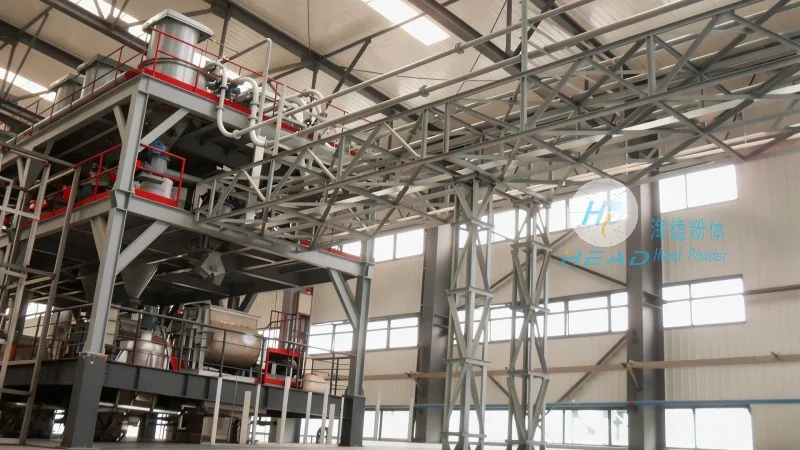
Core Principles of Quicklime Powder Conveying Systems
The quicklime powder conveying system equipment operates based on several core principles that ensure the safe and efficient transfer of powder materials. One of the primary principles is the use of pneumatic conveying technology, which utilizes air or gas to move the powder through a pipeline. This method is particularly effective for handling fine powders like quicklime, as it minimizes particle degradation and reduces the risk of dust explosion. The system typically consists of a feeding hopper, a conveyor line, and a discharge unit, all working in tandem to maintain a consistent flow rate and pressure.
Another critical principle is the control of material flow and pressure. The system employs pressure sensors and flow meters to monitor the movement of quicklime powder, ensuring that the pressure remains within safe operational limits. This is essential for preventing blockages and maintaining the integrity of the conveying line. Additionally, the use of specialized components, such as rotary valves and airlocks, helps in controlling the release of powder and preventing backflow, which can lead to system inefficiencies or safety hazards.
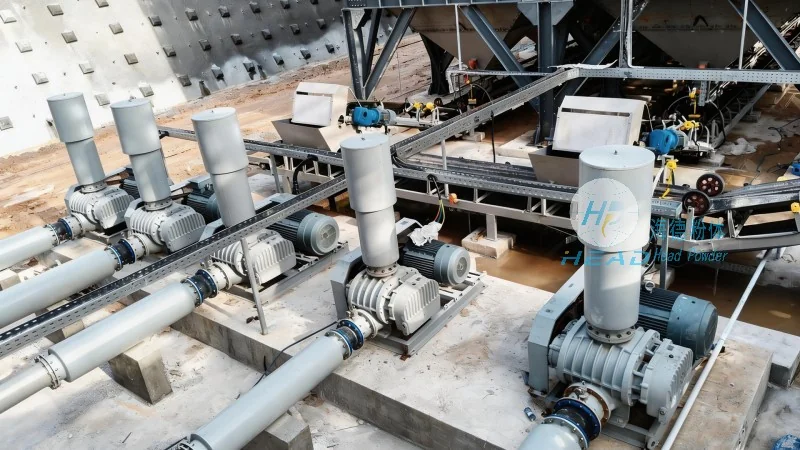
Working Scene Characteristics of Quicklime Powder Conveying Systems
The working scenarios of quicklime powder conveying systems vary based on the specific industrial applications and the scale of operations. In construction sites, for example, these systems are often used to transport quicklime from storage silos to mixing stations, where it is combined with other materials to produce cement or mortar. The key characteristics in this scenario include high throughput rates, as large quantities of quicklime are required for concrete production, and the need for dust suppression measures to comply with environmental regulations.
In chemical manufacturing plants, the conveying systems are used to move quicklime to reactors or processing units, where it is used as a raw material in the production of calcium-based chemicals. The working scene here emphasizes precision and control, as the system must deliver the exact amount of quicklime to maintain the chemical reactions at optimal levels. The systems are often integrated with automated control systems that adjust the flow rate based on real-time production demands.
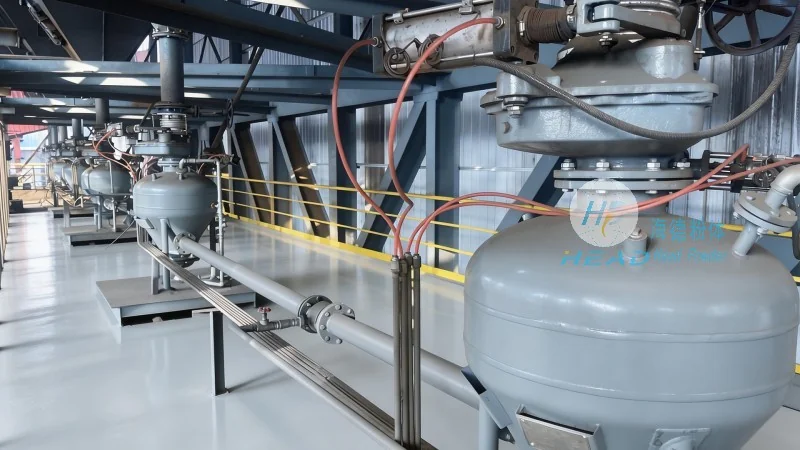
In environmental treatment facilities, quicklime is used for neutralizing acidic wastewater or for soil remediation. The conveying systems in these settings are designed to handle potentially hazardous materials and must comply with strict safety standards. The working characteristics include the use of explosion-proof components and the implementation of dust collection systems to prevent the release of harmful particles into the environment. The systems are also equipped with monitoring devices to ensure that the quicklime is delivered in a controlled manner, minimizing the risk of accidents.
Key Features and Advantages of Quicklime Powder Conveying Equipment
The quicklime powder conveying equipment from Shandong HeadPowder Engineering Co., Ltd. offers several advantages that make it suitable for diverse industrial applications. One of the key features is its high efficiency in material handling, which reduces labor costs and increases production throughput. The equipment is designed with durable materials, such as stainless steel and corrosion-resistant alloys, to withstand the harsh conditions of quicklime handling, including moisture and chemical exposure.
Another advantage is the system's flexibility in adapting to different working scenarios. The modular design allows for easy customization, enabling the equipment to be adjusted for various conveyor lengths, heights, and material types. This adaptability makes the system suitable for both small-scale and large-scale operations, from laboratory settings to industrial plants. Additionally, the equipment is equipped with advanced control systems that provide real-time monitoring and data analysis, helping operators to optimize performance and identify potential issues before they become major problems.
Conclusion and Company Information
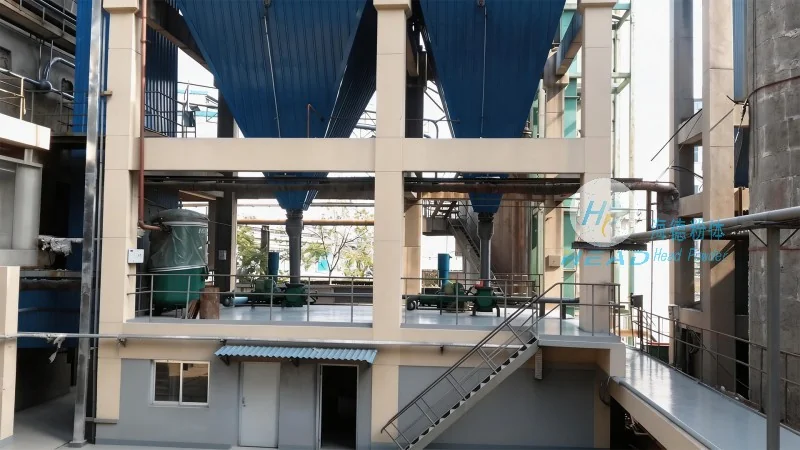
In conclusion, the quicklime powder conveying system equipment is a critical component in the efficient and safe handling of quicklime powder across various industrial sectors. The principles of pneumatic conveying, combined with advanced control and monitoring systems, ensure that the material is transported reliably and in compliance with safety and environmental regulations. The working scene characteristics highlight the importance of adapting the system to specific industrial needs, whether it's for construction, chemical manufacturing, or environmental treatment.
Shandong HeadPowder Engineering Co., Ltd., a leading manufacturer of powder handling equipment, specializes in providing high-quality quicklime powder conveying systems. With a focus on innovation and customer satisfaction, the company offers customized solutions tailored to the unique requirements of each client. Based in Shandong, China, HeadPowder leverages its expertise in powder technology to deliver reliable and efficient equipment that meets the highest standards of performance and safety. For more information about their quicklime powder conveying systems, please contact HeadPowder at their address in Shandong, China.




