HeadPowder, a leading enterprise in the field of powder material handling technology, specializes in the design, manufacturing, and supply of advanced small bag quantitative feeding and conveying systems. This article delves into the core principles of such systems and highlights their key working scene characteristics, providing a comprehensive overview for professionals in the powder processing industry.
Company Profile and Core Technology
HeadPowder, officially known as Shandong HeadPowder Engineering Co., Ltd., is headquartered in Shandong, China. The company has established itself as a trusted provider of innovative solutions for the precise handling of bulk powders. At the heart of their product line is the small bag quantitative feeding system, engineered to meet the stringent demands of modern industrial applications where accuracy, efficiency, and reliability are paramount.
The Principle of Small Bag Quantitative Feeding Systems
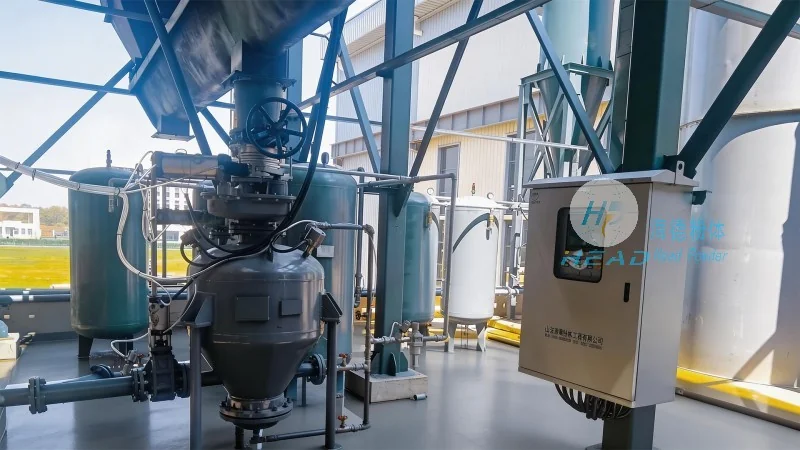
The small bag quantitative feeding system operates on a principle of precision volumetric or gravimetric measurement, depending on the specific model and application requirements. The system typically consists of a hopper that receives bulk powder from a storage silo or bag, a feeding mechanism (such as a screw feeder or vibratory feeder) that controls the flow rate, and a control unit that regulates the feeding process. The key to its functionality lies in the integration of sensors and advanced control algorithms that ensure the exact quantity of powder is dispensed into downstream processing equipment, such as mixers, reactors, or packaging machines.
Working Scene Characteristics: Applications and Benefits
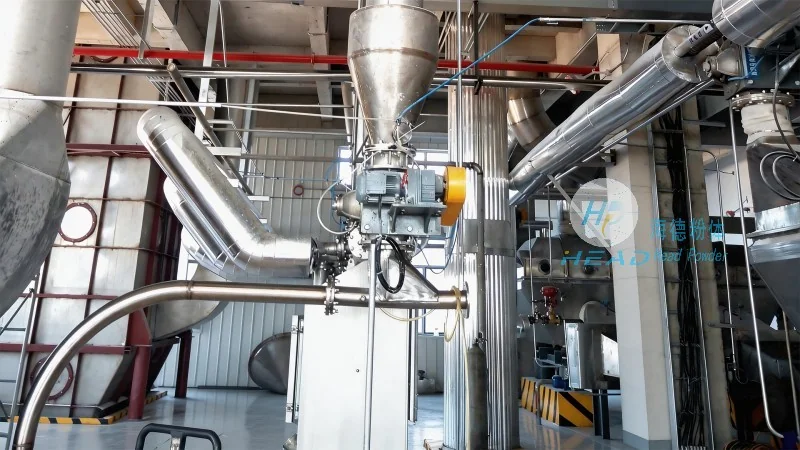
These systems are widely employed in various industrial sectors, including pharmaceuticals, food processing, chemical manufacturing, and mining. The working scene characteristics of small bag quantitative feeding systems are tailored to optimize performance in specific environments. For instance, in pharmaceutical production, where product purity and consistency are critical, the system ensures that each batch of raw material is measured with high accuracy, minimizing variations and enhancing product quality. In the food industry, the system helps maintain consistent ingredient ratios, which is essential for product uniformity and regulatory compliance. In chemical manufacturing, the precise feeding of reactive powders prevents overloading or underloading, thereby improving process safety and reducing material waste.
Key Advantages in Real-World Applications
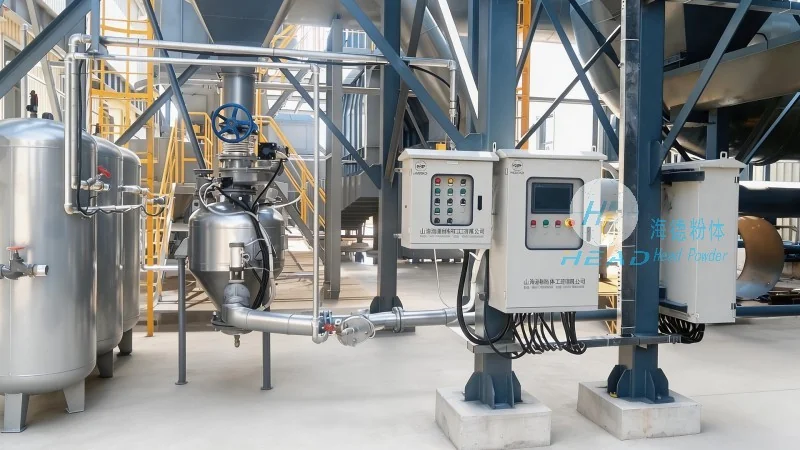
One of the primary advantages of small bag quantitative feeding systems is their ability to handle a wide range of powder types, from fine powders like pharmaceutical excipients to coarse powders like mineral ores. The system's design allows for easy integration with existing production lines, reducing downtime and installation costs. Additionally, the compact size of the equipment makes it suitable for both large-scale industrial facilities and smaller processing plants, providing flexibility in deployment. Another significant benefit is the enhanced operational efficiency achieved through automated control, which minimizes human intervention and reduces the risk of human error. This leads to consistent performance and improved overall productivity.
Conclusion and Future Outlook
Small bag quantitative feeding systems represent a critical component in modern powder processing, offering solutions that balance precision, efficiency, and reliability. As industries continue to demand higher standards of product quality and process optimization, the role of such systems will only become more prominent. HeadPowder remains committed to advancing this technology, continuously innovating to meet the evolving needs of its clients and maintaining its position as a leader in the field.




