

Principle and Working Scene Characteristics of Small Bag Unpacking Powder Conveying Lines
Small bag unpacking powder conveying lines are advanced industrial systems designed for the efficient handling and transportation of bulk powders from sealed bags. These systems are widely used in various industries, including chemical, food, pharmaceutical, and mining, where precise and reliable powder transfer is critical for production processes. The technology integrates several key components, such as bag opening mechanisms, material feeders, and conveying equipment, to ensure seamless operation from the initial unpacking stage to the final delivery point.
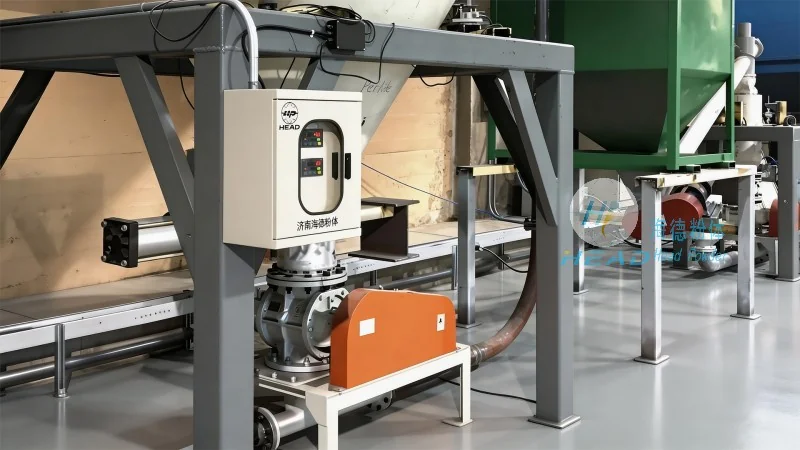
Principle of Operation
The core principle of small bag unpacking powder conveying lines is to automate the process of extracting powder from sealed bags and transporting it to the processing equipment. The system typically starts with a bag opening device, which may use pneumatic or mechanical methods to rupture the bag's seal. Once the bag is opened, a hopper or feeder collects the powder and feeds it into a conveyor system, such as a screw conveyor or pneumatic conveyor. The conveying mechanism then transports the powder to the desired location, such as a silo, storage tank, or processing unit. This automated process minimizes manual intervention, reduces labor costs, and enhances safety by eliminating the need for workers to handle heavy or potentially hazardous bags.
Working Scene Characteristics
The working scene characteristics of small bag unpacking powder conveying lines vary based on the application and industry. In chemical manufacturing, these systems are often used to handle raw materials like powders, which require precise dosing and contamination control. The lines are designed to maintain a clean environment, with sealed components to prevent dust contamination and ensure product purity. In the food industry, the systems must meet strict hygiene standards, with stainless steel construction and easy-to-clean components to comply with regulatory requirements. Pharmaceutical applications demand even higher levels of precision and cleanliness, as the systems handle active ingredients and must prevent cross-contamination. In mining and mineral processing, the lines are built to handle abrasive and heavy materials, with robust construction to withstand harsh operating conditions.
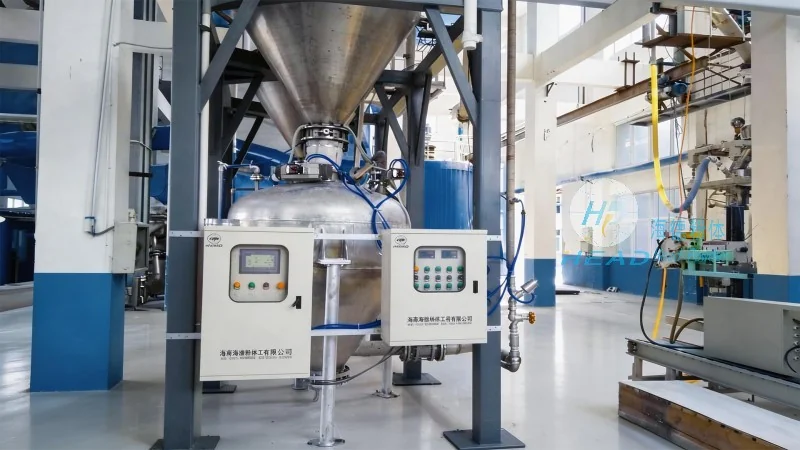
Key Components and Their Functions
Several key components work together to ensure the efficient operation of small bag unpacking powder conveying lines. The bag opening mechanism is the first component, which can be a pneumatic knife or a mechanical cutter that ruptures the bag's seal. The hopper or feeder then collects the powder and feeds it into the conveying system. The conveyor itself, such as a screw conveyor or pneumatic conveyor, transports the powder. In some systems, a dust collection system is integrated to capture any airborne particles and maintain a clean working environment. Additionally, a control system manages the entire process, monitoring the flow rate, pressure, and other parameters to ensure optimal performance.
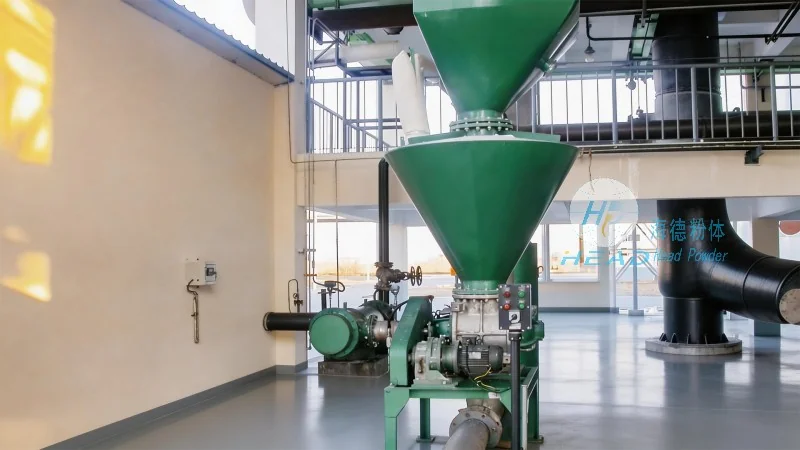
Benefits and Advantages
Implementing small bag unpacking powder conveying lines offers numerous benefits for industrial operations. The primary advantage is increased efficiency, as the automated process reduces the time and labor required for powder handling. This leads to higher production throughput and lower operational costs. Another key benefit is improved safety, as workers are no longer exposed to heavy lifting or the risk of injury from handling bags. The systems also enhance product quality by maintaining consistent flow rates and preventing contamination, which is critical in industries like pharmaceuticals and food processing. Furthermore, the automated nature of the lines allows for better control over the powder transfer process, reducing variability and improving overall process reliability.
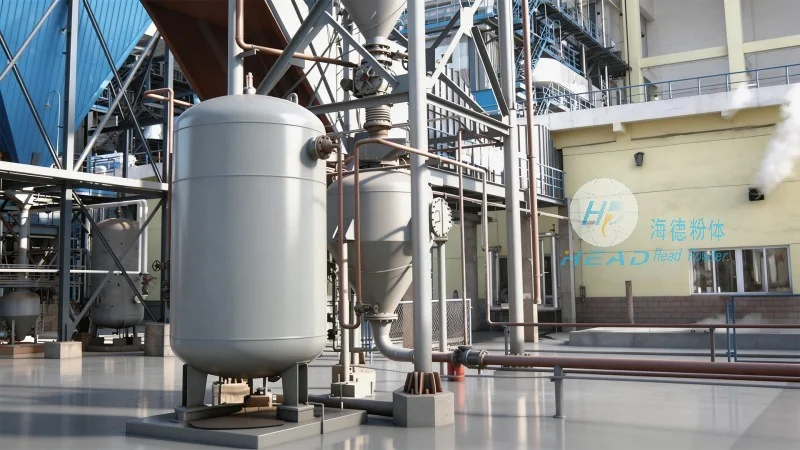
Application Examples
Small bag unpacking powder conveying lines are used in a wide range of applications across different industries. For example, in a chemical plant, the system may be used to handle raw materials like calcium carbonate or titanium dioxide, which are then used in the production of coatings or pigments. In a food processing facility, the line could be used to transfer ingredients like flour or sugar from sealed bags to a mixing or storage area. In a pharmaceutical manufacturing plant, the system might handle active pharmaceutical ingredients (APIs) or excipients, ensuring precise dosing and contamination control. In mining operations, the line could be used to transport ore or mineral powders from the mine to a processing plant, where they are further refined. Each application requires specific design considerations, such as material compatibility and environmental controls, to meet the unique demands of the industry.
Conclusion
Small bag unpacking powder conveying lines are essential equipment for modern industrial operations, providing efficient, safe, and reliable powder handling solutions. By automating the process of unpacking and conveying bulk powders, these systems enhance productivity, reduce costs, and improve product quality. The technology continues to evolve with advancements in materials and control systems, allowing for even more precise and flexible operations. For companies in industries that rely on bulk powder handling, investing in such systems is a strategic decision that can significantly improve their operational efficiency and competitiveness.