

Principles and Application Scenarios of Methylcellulose Powder Handling and Transport
For industries dealing with methylcellulose powders, efficient and reliable handling and transport systems are crucial to maintaining product quality and operational efficiency. This article explores the fundamental principles behind methylcellulose powder handling and transport, as well as the key characteristics of various application scenarios. The information is presented by Shandong HeadPowder Engineering Co., Ltd., a company based in Shandong, China, specializing in powder processing solutions.
Understanding the Core Principles of Methylcellulose Powder Handling
Methylcellulose is a non-ionic cellulose ether widely used as a thickening, stabilizing, and emulsifying agent in pharmaceuticals, food, and other industries. Its unique rheological properties make it a challenging material to handle, as it can exhibit both cohesive and flow behavior depending on moisture content and particle size. Effective powder handling relies on understanding these properties and implementing appropriate techniques to prevent issues such as agglomeration, bridging, and segregation.
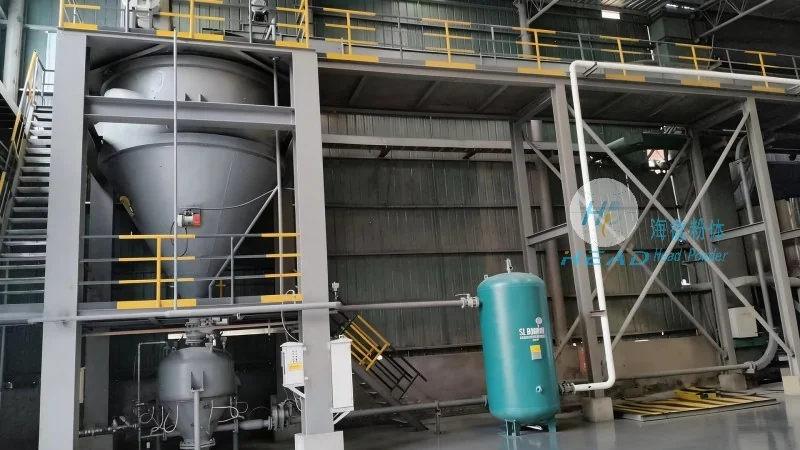
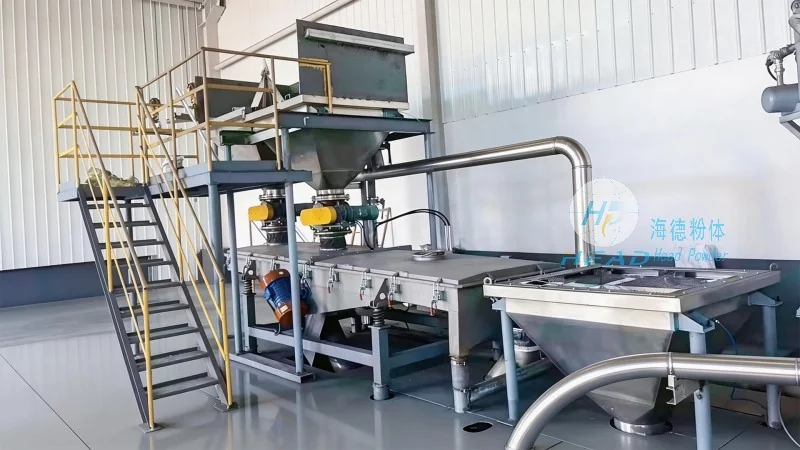
The primary principle in methylcellulose powder handling is maintaining a stable, free-flowing state. This often involves controlling moisture levels, using anti-caking agents, and employing equipment designed to minimize particle interaction. For example, vibration feeders and rotary valves are commonly used to ensure consistent material flow from storage silos or hoppers. Additionally, air classifiers and fluidized bed dryers are employed to adjust particle size and moisture content, which directly impacts handling characteristics.
Key Equipment and Technologies for Methylcellulose Powder Transport
Several technologies are available for transporting methylcellulose powders, each with distinct advantages and limitations. The most common methods include pneumatic conveying, screw conveyors, and bucket elevators. Pneumatic conveying systems use air to move powders through pipelines, offering advantages such as low maintenance and the ability to transport materials over long distances. However, they require careful control of air pressure and flow rates to prevent material degradation or blockages.
Screw conveyors are another popular choice, particularly for horizontal or slight incline transport. They are simple in design, requiring minimal space, and can handle a wide range of powder types. However, they may cause particle degradation due to friction and are less effective for high-volume or abrasive powders. For vertical transport, bucket elevators provide efficient solutions, using buckets to lift powders in a continuous cycle. This method is ideal for applications where vertical space is limited and high throughput is required.
Application Scenarios and Operational Characteristics
The application scenarios for methylcellulose powder handling vary significantly across industries, each with specific requirements that influence the choice of handling equipment and processes. In the pharmaceutical industry, for instance, methylcellulose is used as a binder or filler in tablet formulations. Here, precision and contamination control are paramount, making enclosed systems and sterile handling protocols essential. The transport process often involves small-scale, high-precision equipment such as vibratory feeders and positive displacement pumps to ensure accurate dosing and prevent cross-contamination.
In the food industry, methylcellulose is used as a thickener in beverages and sauces. The handling process in this sector emphasizes hygiene and food safety. Equipment such as stainless steel hoppers and sanitary valves are commonly used to maintain compliance with regulatory standards. The transport system may also include in-line mixers to blend methylcellulose with other ingredients, ensuring uniform consistency in the final product.
In the chemical industry, methylcellulose is used as a stabilizer in coatings and adhesives. Here, the focus is on durability and performance under various environmental conditions. The handling equipment may include high-capacity bulk handling systems, such as pneumatic conveyors and storage silos, to accommodate large-scale production. The transport process often involves temperature control to prevent the material from becoming too viscous or setting too quickly.
Addressing Common Challenges in Methylcellulose Powder Handling
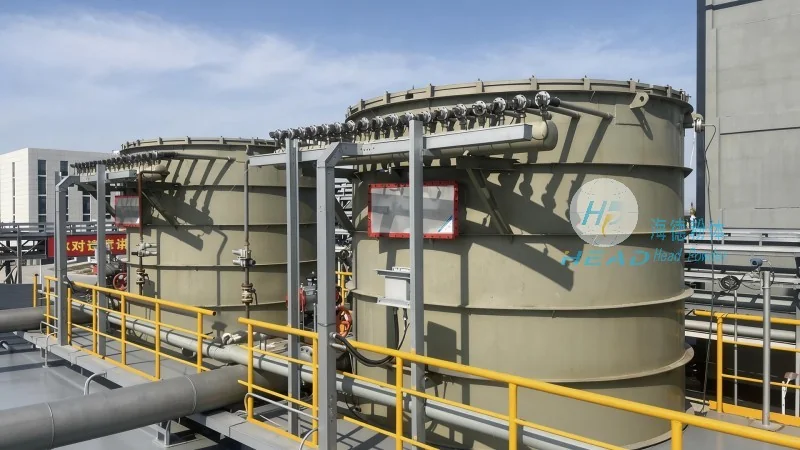
Despite the advantages of methylcellulose, handling this powder presents several challenges that require careful management. One of the most common issues is agglomeration, where particles stick together due to moisture or electrostatic charges. This can lead to blockages in equipment and inconsistent product flow. To mitigate this, anti-caking agents are often added to the powder, and equipment is designed with smooth surfaces and proper ventilation to reduce moisture accumulation.
Another challenge is segregation, where different particle sizes or densities separate during transport. This can affect the uniformity of the final product, especially in applications where consistent properties are critical. To prevent segregation, manufacturers use equipment with gentle handling, such as vibratory feeders and air classifiers, which minimize particle movement and maintain a uniform blend.
Electrostatic discharge is also a concern in methylcellulose powder handling, as the material can accumulate static charges due to friction. This can cause sparks and pose a fire hazard, particularly in environments with flammable materials. To address this, grounding systems and anti-static additives are used to dissipate static electricity and ensure safe handling.
Conclusion and Company Overview
Efficient methylcellulose powder handling and transport are essential for maintaining product quality and operational efficiency across various industries. By understanding the fundamental principles of powder behavior and selecting appropriate equipment and processes, companies can overcome common challenges and ensure reliable material flow. Shandong HeadPowder Engineering Co., Ltd., with its expertise in powder processing, provides tailored solutions to meet the specific needs of clients in pharmaceuticals, food, and chemical industries. Based in Shandong, China, the company leverages advanced technology and industry knowledge to deliver high-quality handling systems that enhance productivity and safety.