

Principle and Working Scene Characteristics of Manganese Silicate Pneumatic Conveying System Equipme
Manganese silicate, a critical industrial material, is widely used in various sectors such as battery manufacturing, steel production, and chemical processing. The efficient handling and transportation of this material are essential for maintaining production efficiency and safety. The pneumatic conveying system, specifically designed for manganese silicate, offers a reliable solution by utilizing air flow to transport the material from one location to another. This article, presented by Shandong HeadPowder Engineering Co., Ltd., based in China, delves into the underlying principles of the system, its operational mechanisms, and the key characteristics that define its performance in different working environments.
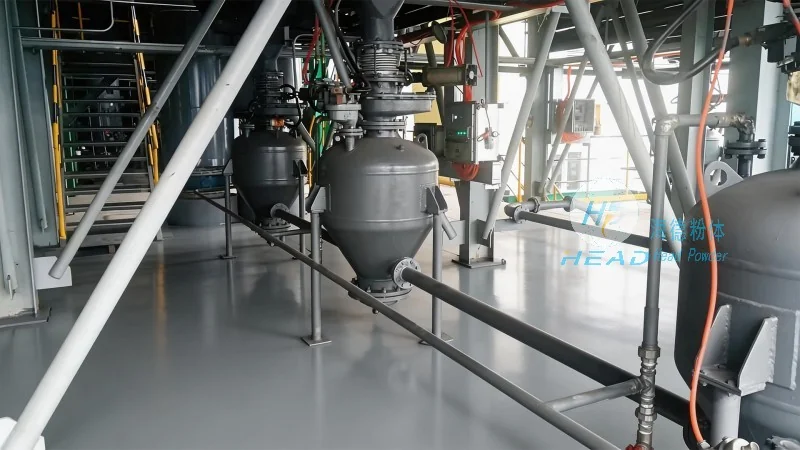
Core Principles of Manganese Silicate Pneumatic Conveying
The fundamental principle of pneumatic conveying for manganese silicate is based on the interaction between the material particles and the air stream. The system operates by creating a pressure differential, either through suction or pressure, to move the material through a pipeline. In the case of manganese silicate, which often has a certain level of moisture or specific particle size characteristics, the design of the conveying system must account for these properties to ensure optimal performance. The system typically consists of a hopper, a feeder, a conveying line, and a receiver. The hopper stores the manganese silicate, while the feeder controls the flow rate into the conveying line. The conveying line transports the material using air, which is either drawn in by a vacuum pump or supplied by a blower. The receiver collects the material at the destination point.
Working Scene Characteristics and Applications
The working scene characteristics of manganese silicate pneumatic conveying systems are tailored to meet the demands of specific industrial applications. For instance, in battery manufacturing plants, where high-purity manganese silicate is required, the system must ensure minimal contamination and consistent particle size distribution. The conveying process needs to be gentle to avoid agglomeration or degradation of the material. In steel production facilities, the system may handle larger quantities of manganese silicate, requiring higher air flow rates and robust pipeline designs to prevent blockages. The characteristics of the working environment, such as temperature, humidity, and the presence of other materials, also influence the system's design. For example, in outdoor or high-temperature settings, the system components must be corrosion-resistant and heat-resistant to maintain durability and performance.
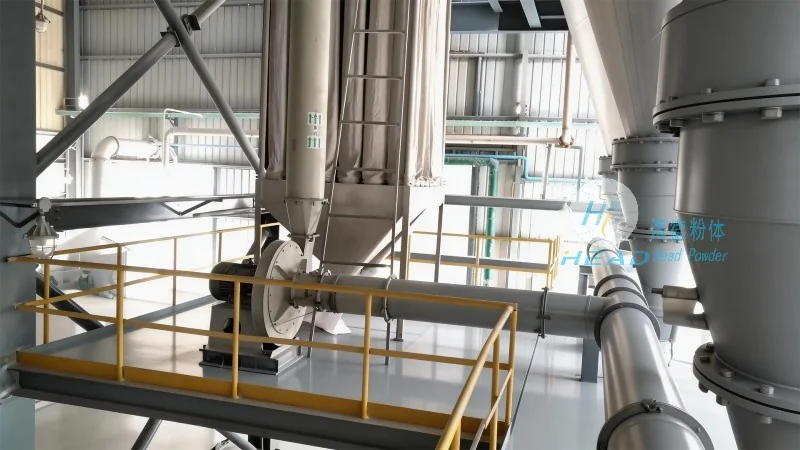
Key Features and Advantages
Manganese silicate pneumatic conveying systems offer several advantages over traditional mechanical conveying methods. One of the primary benefits is the ability to transport materials in a closed system, which reduces dust emissions and improves workplace safety. This is particularly important for manganese silicate, which can be a respiratory hazard if not handled properly. The system also allows for precise control over the material flow rate, ensuring consistent delivery to downstream processes. Additionally, the closed pipeline design minimizes material loss and contamination, which is crucial for maintaining product quality. The flexibility of the system allows it to be integrated into existing production lines, making it a cost-effective solution for many industrial applications.
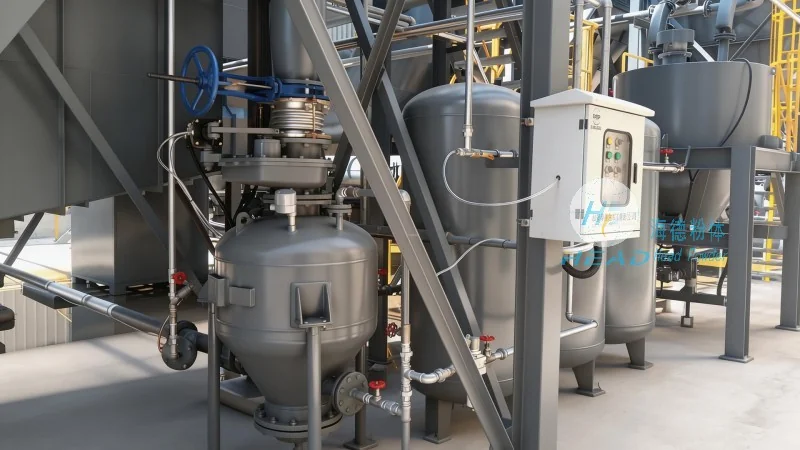
Operational Considerations and Maintenance
Operational considerations for manganese silicate pneumatic conveying systems include the selection of appropriate air flow rates and pressure levels to match the material's properties. The system must be designed to handle the specific particle size distribution and moisture content of the manganese silicate. Regular maintenance is essential to ensure the system's longevity and performance. This includes checking the condition of the conveying line, the efficiency of the feeder, and the functionality of the air handling equipment. Proper maintenance can prevent issues such as blockages, pressure drops, and material degradation, which can lead to production downtime and increased costs.
Conclusion
In conclusion, the manganese silicate pneumatic conveying system is a sophisticated and efficient solution for handling this critical industrial material. By understanding the core principles and working scene characteristics, industries can optimize their material handling processes, enhance safety, and improve overall productivity. The system's advantages, including closed-loop operation, precise control, and flexibility, make it a preferred choice for various applications. With proper design and maintenance, the system can provide reliable and consistent performance, contributing to the success of industrial operations.