Principle and Working Scene Characteristics of Plastic Powder Pneumatic Conveying Equipment
Release time:2026-09-18 18:01:27
name of the company:Shandong Headpowder Engineering Co., Ltd.
telephone:156-6277-7102
contacts:Zhang manager
HeadPowder, as a professional manufacturer based in Shandong, China, specializes in the design and production of advanced pneumatic conveying systems tailored for plastic powder handling. This article delves into the fundamental principles behind plastic powder pneumatic conveying equipment and explores the key characteristics of its operational scenarios, providing a comprehensive overview for industry professionals seeking efficient material transport solutions.
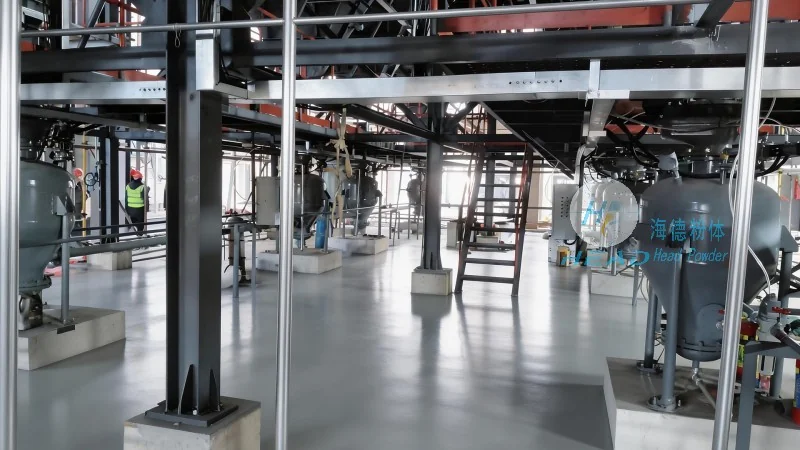
Overview of Plastic Powder Pneumatic Conveying Equipment
Plastic powder pneumatic conveying equipment is a critical component in modern material handling, enabling the efficient and safe transport of plastic powders from one location to another within industrial facilities. The system operates by using compressed air or other gas to create a flow that moves the powder through a pipeline. This method offers several advantages over traditional mechanical conveying methods, including reduced risk of product contamination, lower maintenance requirements, and the ability to handle a wide range of plastic powder types with varying particle sizes and moisture content.
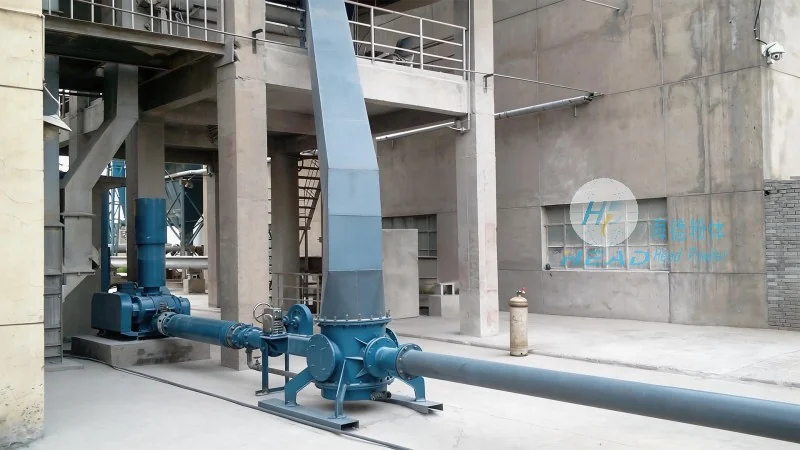
The Core Principle of Pneumatic Conveying
The fundamental principle of plastic powder pneumatic conveying is based on the interaction between the powder particles and the gas stream. In a typical system, a blower or compressor generates high-pressure air, which is then introduced into the conveying line. As the air flows through the pipe, it creates a pressure differential that draws the plastic powder into the system. The powder is then suspended in the air stream and transported to the destination point. The efficiency of this process depends on several factors, including the air velocity, the particle size distribution of the powder, and the length and diameter of the conveying line. Proper design and maintenance of the equipment are essential to ensure optimal performance and minimize energy consumption.
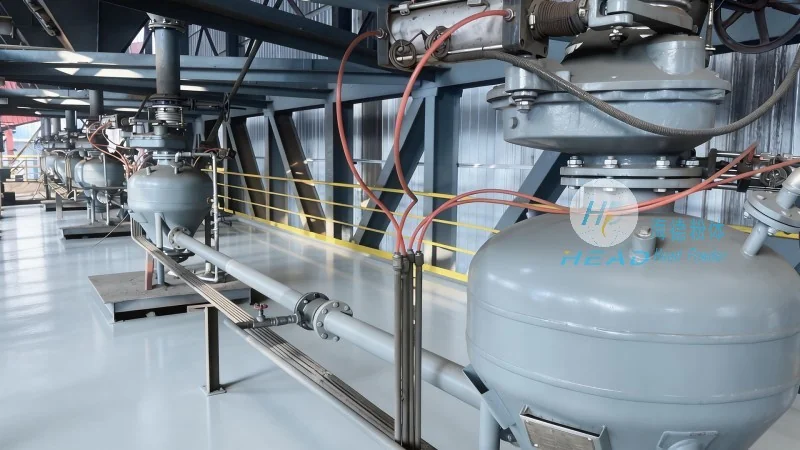
Key Working Scene Characteristics
The operational characteristics of plastic powder pneumatic conveying equipment vary significantly based on the specific application and the environment in which it is used. Understanding these characteristics is crucial for selecting the right system for a particular industrial need. Some of the most common working scene characteristics include:
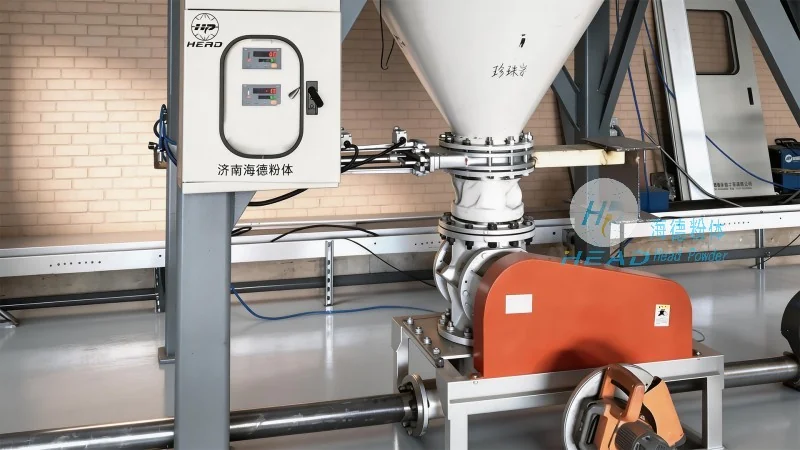
- High-Volume Transport: In large-scale manufacturing facilities, such as plastic resin production plants or polymer processing plants, the equipment is often used to transport large quantities of plastic powder over long distances. The system's ability to handle high flow rates makes it ideal for these applications, ensuring consistent and reliable material supply.
- Multi-Point Discharge: Many industrial processes require the distribution of plastic powder to multiple destinations, such as different processing lines or storage silos. Pneumatic conveying systems can be configured with multiple discharge points, allowing for flexible and efficient material distribution. This feature enhances operational flexibility and reduces the need for additional handling equipment.
- Low Contamination Risk: Plastic powders are often sensitive to contamination, which can affect their quality and performance. Pneumatic conveying systems minimize the risk of contamination by keeping the powder enclosed within the conveying line, away from external sources of dirt or moisture. This is particularly important for food-grade or medical-grade plastic powders, where purity is paramount.
- Space Efficiency: Unlike traditional belt or screw conveyors, pneumatic conveying systems require less floor space and can be installed in vertical or horizontal configurations. This makes them suitable for facilities with limited space or where overhead space is available. The compact design also reduces the overall footprint of the system, making it easier to integrate into existing production lines.
- Energy Efficiency: Modern pneumatic conveying equipment is designed to be energy-efficient, with features such as variable speed drives and optimized air flow control. By reducing energy consumption, these systems help lower operational costs and minimize the environmental impact of industrial operations. This is especially relevant in today's industrial landscape, where sustainability and cost-effectiveness are key considerations.
Conclusion
Plastic powder pneumatic conveying equipment, as offered by Shandong HeadPowder Engineering Co., Ltd., represents a sophisticated solution for the efficient and reliable transport of plastic powders in various industrial applications. By understanding the core principles and working scene characteristics of these systems, businesses can make informed decisions about implementing the right material handling technology to meet their specific needs. With its advantages in contamination control, space efficiency, and energy consumption, pneumatic conveying continues to be a preferred choice for industries dealing with plastic powders, ensuring smooth and efficient production processes.




