

Principle and Working Scene Features of Pneumatic Dust Removal Systems
At Shandong HeadPowder Engineering Co., Ltd., we specialize in the design and implementation of advanced pneumatic dust removal systems, which are crucial for maintaining air quality and operational efficiency in various industrial settings. This article explores the fundamental principles behind these systems and highlights their key working characteristics across different application scenarios.
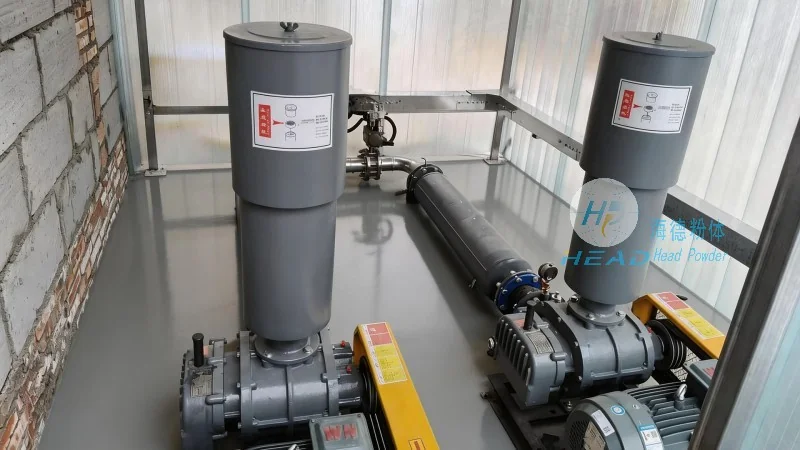
The Core Principle of Pneumatic Dust Removal Systems
Pneumatic dust removal systems operate on the principle of air flow to transport particulate matter. By creating a controlled airflow, these systems can effectively capture and transport dust, powders, and other airborne contaminants from production environments. The process typically involves a dust collector, which uses a fan to generate negative pressure, drawing air and particles into the system. The collected dust is then separated from the air through mechanisms such as cyclones, filters, or electrostatic precipitators, depending on the system design. This method offers several advantages, including high efficiency in capturing fine particles, minimal maintenance requirements, and the ability to handle large volumes of air and material. The core principle revolves around the use of air as a medium to move particles, leveraging the physics of fluid dynamics to achieve effective dust control.
Working Scene Characteristics and Application Scenarios
The effectiveness and suitability of pneumatic dust removal systems vary significantly based on the specific working environment and operational requirements. In industrial settings, these systems are commonly used in applications such as cement production, mining, and chemical processing, where large quantities of dust are generated. The working scene characteristics include the need for high air flow rates to handle heavy dust loads, the importance of maintaining consistent air pressure to ensure proper material transport, and the requirement for robust filtration systems to prevent re-emission of particles. Additionally, the design of the system must consider factors like the size and density of the particles, the temperature of the air, and the space constraints of the facility. For example, in a cement plant, a pneumatic dust removal system might be integrated with a rotary kiln to capture dust from the raw material handling and calcination processes, ensuring compliance with environmental regulations and protecting the health of workers. In mining operations, these systems are used to remove dust from crushing and grinding equipment, reducing the risk of respiratory diseases among employees and improving visibility in the workplace.
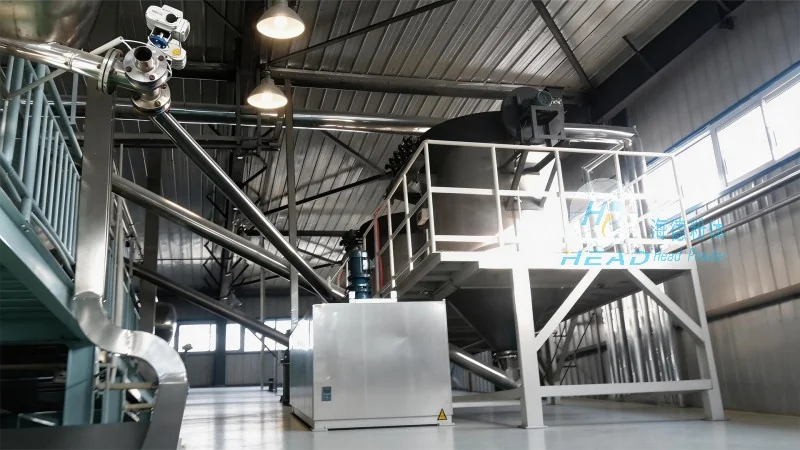
Company Background and Expertise
Shandong HeadPowder Engineering Co., Ltd., based in Shandong, China, is a leading provider of customized pneumatic dust removal solutions tailored to meet the unique needs of industrial clients. With years of experience in the field, our team of engineers and technicians has developed a deep understanding of the principles and applications of these systems. We focus on delivering high-quality, efficient, and reliable dust removal systems that enhance operational performance while ensuring compliance with environmental standards. Our expertise includes the design, installation, and maintenance of various types of pneumatic dust collection systems, ranging from small-scale units for laboratory use to large-scale systems for heavy industry. We work closely with clients to assess their specific dust challenges and develop tailored solutions that optimize performance and reduce costs.
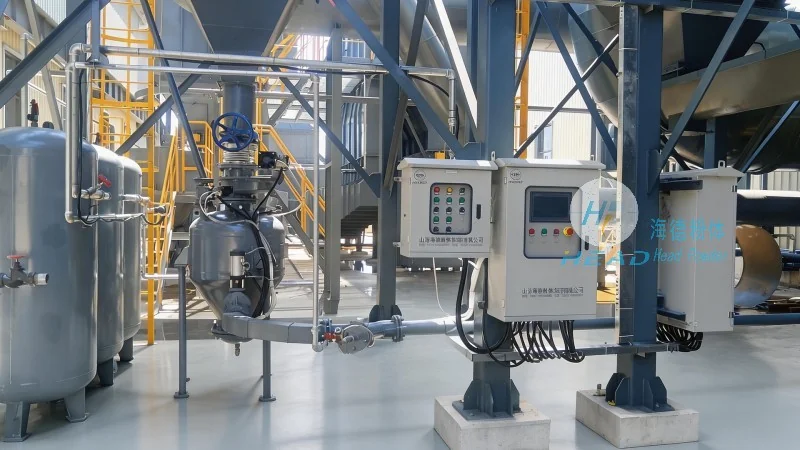
Key Features and Benefits in Different Working Scenarios
Across various working scenarios, pneumatic dust removal systems exhibit distinct features that make them suitable for specific applications. In high-temperature environments, such as metal smelting or glass manufacturing, specialized systems with heat-resistant components are required to maintain efficiency. These systems may include preheaters or cooling sections to manage temperature fluctuations. In contrast, systems used in pharmaceutical or food processing industries must adhere to strict hygiene standards, featuring sealed components and easy-to-clean designs. The working scene characteristics also influence the choice of filtration technology; for instance, in applications involving hazardous or toxic dusts, electrostatic precipitators are preferred over conventional filters to ensure complete capture and safety. Overall, the adaptability of pneumatic dust removal systems to diverse working conditions is a key factor in their widespread adoption across industries.
Conclusion and Future Trends
Pneumatic dust removal systems remain a vital technology for maintaining air quality and operational efficiency in industrial settings. As industries continue to evolve, the demand for more advanced and efficient dust control solutions will grow. Shandong HeadPowder Engineering Co., Ltd. remains committed to staying at the forefront of this technology, developing innovative solutions that address the evolving needs of our clients. By understanding the core principles and working characteristics of these systems, businesses can make informed decisions to enhance their environmental performance and operational productivity.