High-pressure pulse material pneumatic conveying lines represent a sophisticated technology in material handling, designed to efficiently transport bulk materials over long distances with minimal maintenance and operational complexity. Developed by Shandong HeadPowder Engineering Co., Ltd., a leading manufacturer based in China, these systems are engineered to meet the demanding requirements of various industrial sectors, including chemical, food processing, and pharmaceutical industries. The core of this technology lies in the high-pressure pulse mechanism, which ensures reliable and consistent material transport while maintaining product integrity.
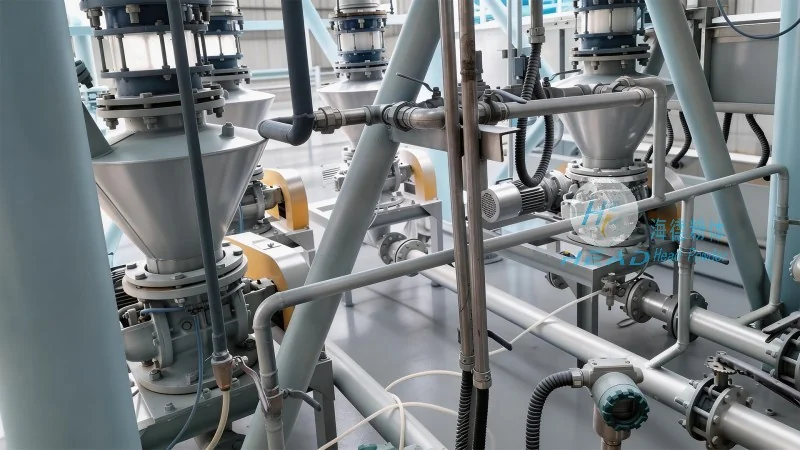
Working Principle of High-Pressure Pulse Material Pneumatic Conveying Lines
The operation of high-pressure pulse material pneumatic conveying lines is based on the principle of creating a high-pressure air pulse that propels bulk materials through a pipeline. The system typically consists of a blower or compressor that generates a high-pressure air stream, which is then directed into the conveying line. As the air pulse travels through the pipeline, it entrains the material particles, forming a dense mixture known as a "pneumatic stream." This stream moves the material from the source to the destination, often over distances of several hundred meters or more. The key components of the system include the air source, the conveying line, the material inlet and outlet, and the pulse control system. The pulse control system regulates the frequency and duration of the air pulses, ensuring optimal material transport without causing excessive pressure or wear on the system components.
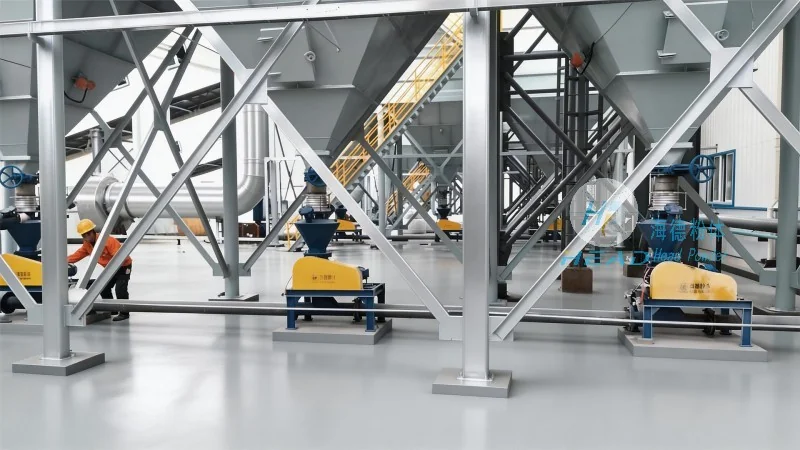
Key Features and Advantages of High-Pressure Pulse Material Pneumatic Conveying Lines
High-pressure pulse material pneumatic conveying lines offer several distinct features and advantages that make them an attractive solution for material handling applications. One of the primary advantages is their ability to transport a wide range of materials, including powders, granules, and even bulk solids, with minimal segregation or degradation. The high-pressure pulse mechanism ensures that the material is conveyed in a dense phase, which reduces the risk of material degradation due to air exposure and minimizes the need for additional drying or conditioning steps. Another key feature is the system's flexibility, as it can be easily integrated into existing production lines or customized to meet specific operational requirements. The compact design of these systems also allows for installation in limited spaces, making them suitable for both new and retrofit applications. Additionally, the high-pressure pulse technology provides excellent control over material flow, enabling precise regulation of the conveying rate and pressure, which is crucial for maintaining process consistency and product quality.
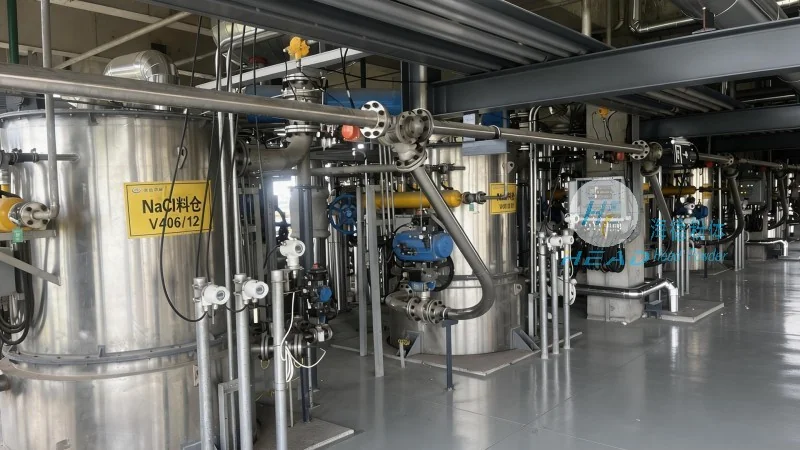
Technical Specifications and Performance Parameters
Shandong HeadPowder Engineering Co., Ltd. offers high-pressure pulse material pneumatic conveying lines with a range of technical specifications tailored to different application needs. The systems are available in various pressure ranges, typically from 0.5 to 1.5 MPa, depending on the material being conveyed and the distance of transport. The conveying capacity can be adjusted to handle material flow rates from a few kilograms per hour to several tons per hour, making them suitable for both small-scale and large-scale operations. The pipeline diameter is also customizable, with options ranging from 50 mm to 200 mm, depending on the material characteristics and the required flow rate. The system's efficiency is measured by its specific power consumption, which is typically low compared to other material handling methods, resulting in reduced operational costs. The reliability of the system is enhanced by the use of high-quality components, including corrosion-resistant materials and durable seals, which ensure long service life and minimal downtime.
Applications and Industries Served
High-pressure pulse material pneumatic conveying lines are widely used in various industries due to their versatility and efficiency. In the chemical industry, these systems are used to transport raw materials, intermediates, and finished products, such as powders and granules, from storage silos to processing units. The food and pharmaceutical industries benefit from the system's ability to maintain product purity and integrity, as the high-pressure pulse mechanism minimizes contamination and ensures that the material remains in a sterile environment. The system is also used in the mining and construction sectors to transport bulk materials like sand, gravel, and cement, where high capacity and long-distance transport are required. Additionally, the system is suitable for applications in the agricultural sector, such as transporting grain and other agricultural products from storage facilities to processing plants.
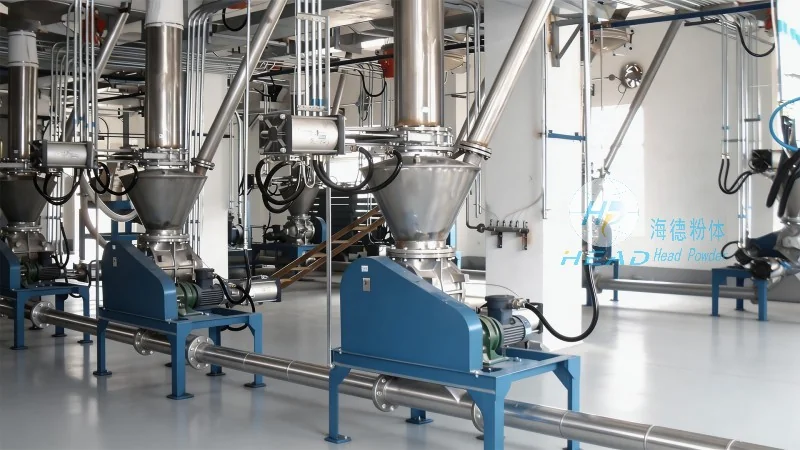
Maintenance and Operational Considerations
Proper maintenance is essential to ensure the optimal performance and longevity of high-pressure pulse material pneumatic conveying lines. Regular inspection of the air source and pulse control system is necessary to detect any potential issues before they cause system failure. The conveying line should be checked for any signs of wear or damage, such as cracks or corrosion, and replaced if necessary. The material inlet and outlet components should also be inspected regularly to ensure that they are free from blockages or debris. Operational considerations include monitoring the system's pressure and flow rates to ensure that they remain within the recommended range. The system should be operated at the optimal pressure and flow rate to avoid excessive wear on the components and to maintain efficient material transport. Additionally, the system should be cleaned regularly to prevent the buildup of material residues, which can affect the system's performance and cause blockages.




