

Working Principle and Features of the Biological Enzyme Material Pneumatic Conveying System
For those in the biotechnology and pharmaceutical sectors, the efficient and safe handling of biological enzyme materials is paramount. The pneumatic conveying system designed by Shandong HeadPowder Engineering Co., Ltd. offers a sophisticated solution tailored to these needs. This article delves into the working principle and key features of this system, providing a comprehensive overview for industry professionals.
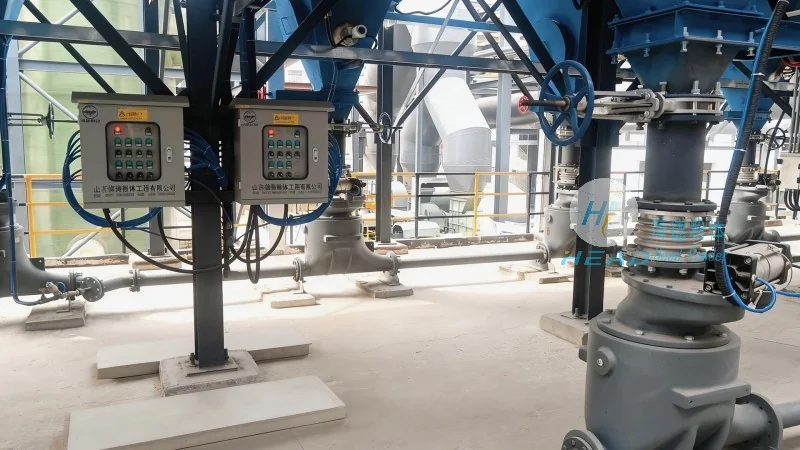
About HeadPowder: Leading Pneumatic Conveying Solutions
HeadPowder, a prominent name in the field of material handling, specializes in the design and manufacturing of advanced pneumatic conveying systems. With a strong commitment to innovation and quality, the company has established itself as a trusted partner for businesses requiring reliable and efficient solutions for transporting sensitive materials like biological enzymes. HeadPowder's systems are engineered to meet stringent industry standards, ensuring optimal performance and minimal risk of material degradation.
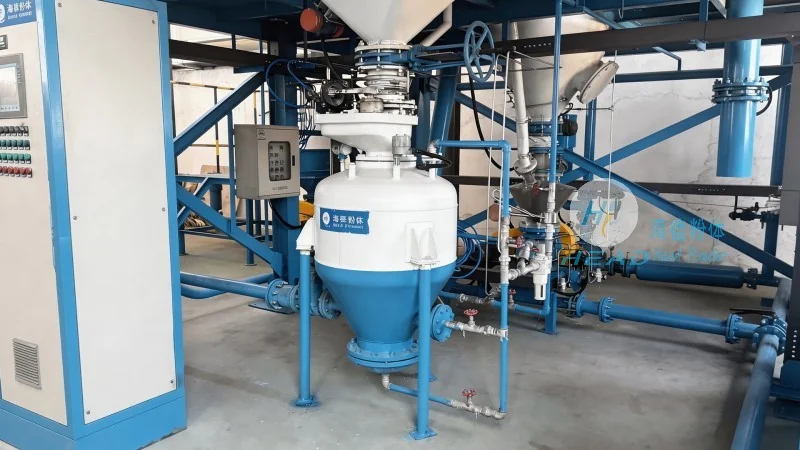
Working Principle of the Biological Enzyme Material Pneumatic Conveying System
The core of the biological enzyme material pneumatic conveying system lies in its ability to transport powders and granules using compressed air or other gases. Unlike traditional mechanical conveying methods, this system employs a closed-loop or open-loop design, depending on the specific application requirements. The process typically begins with the material being fed into a hopper or feeder, where it is then drawn into a pipeline by the suction or pressure of the air flow. The system utilizes low-pressure, low-velocity air to gently move the material, minimizing the risk of particle breakage or enzyme denaturation. This approach ensures that the biological properties of the enzymes are preserved throughout the conveying process. The system also incorporates control mechanisms to regulate air flow, pressure, and material feed rate, allowing for precise and consistent operation. Additionally, the design may include features such as cyclone separators or filters to separate the material from the air stream, ensuring that the enzymes are delivered to the destination without contamination or loss.
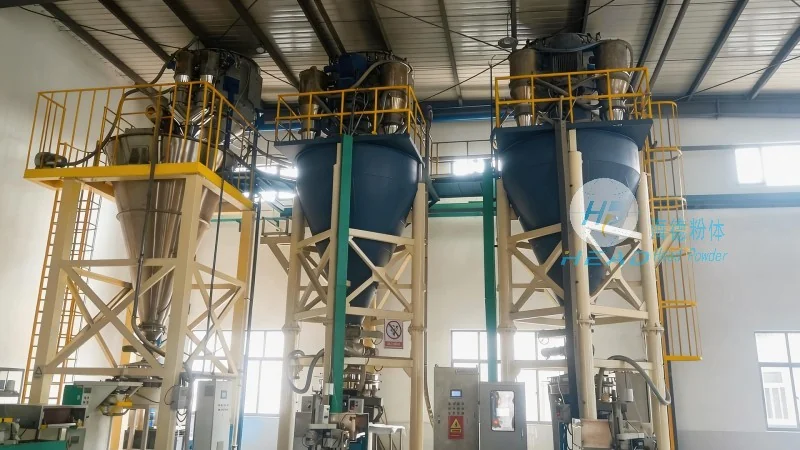
Key Features and Advantages of the System
The biological enzyme material pneumatic conveying system developed by HeadPowder offers several distinct advantages that make it ideal for handling sensitive biological materials. Firstly, it provides a hygienic and enclosed environment, which is crucial for maintaining the integrity of enzymes and preventing contamination from external sources. The system's design minimizes direct human contact with the material, reducing the risk of cross-contamination and ensuring compliance with regulatory standards. Secondly, the low-pressure operation of the system reduces energy consumption while maintaining efficient material transport, making it cost-effective and environmentally friendly. Thirdly, the system is highly adaptable, capable of handling a wide range of enzyme types and particle sizes, from fine powders to larger granules. This flexibility allows for customization to meet the specific needs of different production processes. Furthermore, the system's components are constructed from materials that are resistant to corrosion and compatible with the chemical properties of biological enzymes, ensuring long-term durability and reliability. The integration of advanced control systems also enables real-time monitoring and adjustment of the conveying parameters, enhancing operational efficiency and product quality.
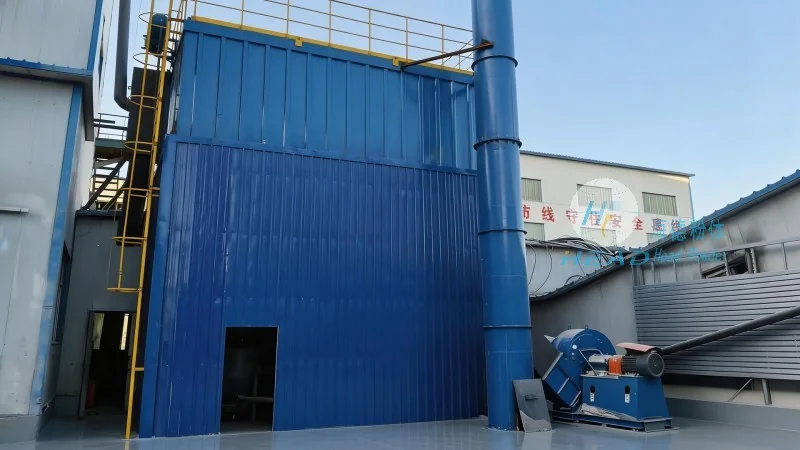
Applications and Industry Impact
The biological enzyme material pneumatic conveying system is widely used in various industries, including pharmaceuticals, food processing, and biotechnology. In the pharmaceutical sector, it is essential for transporting active pharmaceutical ingredients (APIs) and enzymes used in drug manufacturing, where purity and consistency are critical. In the food industry, it is used for handling enzymes used in fermentation and processing, ensuring that the final products meet safety and quality standards. The system's ability to maintain the activity of enzymes during transport makes it a valuable asset for manufacturers seeking to optimize their production lines. By reducing downtime and improving material handling efficiency, the system contributes to increased productivity and cost savings for businesses. Overall, the system represents a significant advancement in the field of material handling, providing a safe, efficient, and reliable solution for the transportation of biological enzymes.